First Contact: Gear for the Ham Radio Beginner Who Just Passed Their Technician Exam
For the newly licensed operator with a callsign and no idea where to point their antenna

Baofeng UV-5R Plus Dual Band Two Way Radio, 144/420 MHz
The UV-5R is the entry-point HT that has introduced more people to amateur radio than any other radio. It covers the 2m and 70cm bands that Technician-class operators are licensed for, receives wide-band, and programs via free CHIRP software. The accessory ecosystem is enormous — cables, antennas, and cases are everywhere.
“The one reliable rule of gift-giving: anything that makes them look more serious at what they love will be received with disproportionate gratitude.”
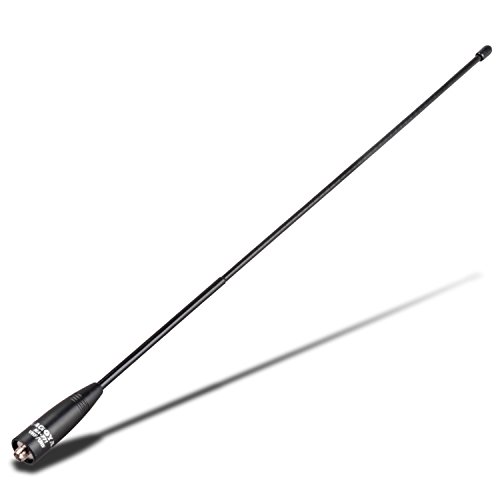
Nagoya NA-771 Dual Band Whip Antenna for Baofeng, SMA Female
The rubber duck antenna that ships with the Baofeng is a liability. The Nagoya NA-771 is 15 inches of properly tuned 2m/70cm antenna that gets new hams onto distant repeaters they couldn't hear before. SMA Female fits the UV-5R and most Kenwood/Wouxun HTs. The first and most important HT upgrade.

ARRL Ham Radio License Manual, 5th Edition
The ARRL License Manual is the ARRL's own study guide for the Technician exam — written by the organization that sets the questions. For a beginner who just got licensed, it's also the reference they go back to when they encounter something on the air they don't understand. The 5th edition is current with the latest question pool.

BaoFeng BFS-001 Separation Programming Cable for UV-5R
CHIRP software is how ham radio beginners actually program their HTs without navigating 47 menu functions. This cable is the USB-to-radio connection that makes it possible, and it works with every Baofeng and most clones. New operators who don't have this spend hours wrestling with manual programming.

Kenwood TH-K20A Compact 2-Meter Handheld Transceiver
For the beginner who wants a step up from the Baofeng, Kenwood's TH-K20A is Japanese-engineered hardware with notably cleaner audio and a receiver that doesn't intermod on a crowded band. The simplified interface means less time menu-diving and more time talking. The audio alone is a noticeable difference.

Ham Radio for Dummies, 3rd Edition, Ward Silver
Ward Silver's Dummies book is not patronizing — it's comprehensive. The third edition covers digital modes, satellite operation, emergency communications, and contesting in a way that gives new operators a clear map of where the hobby goes after the first few repeater conversations. More practical than the ARRL manual.
Fork it. Make it yours. Share before their birthday.
Friends claim items. No duplicates. No awkward conversations.


