Gifts for Amateur Radio Beginners
They passed their Technician exam and have been on local repeaters for a few months. The hobby is bigger than they expected and they're only just starting to understand why.
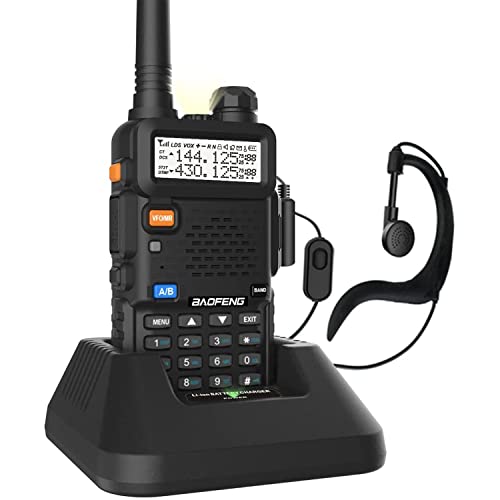
BaoFeng UV-5R Dual Band Radio — 136-174/400-520 MHz
The BaoFeng UV-5R is the entry-point radio that virtually every new ham gets first — it covers VHF and UHF, accesses local repeaters, and costs almost nothing relative to its capability. A backup unit or a second one for a partner is always useful in the ham community.
“The one reliable rule of gift-giving: anything that makes them look more serious at what they love will be received with disproportionate gratitude.”

Nagoya NA-771 High Gain Whip Antenna — SMA Female
The first upgrade every BaoFeng owner makes — the stock rubber duck antenna is the weak link, and the Nagoya NA-771 immediately extends range and improves signal reports on local repeaters. It's the accessory every new ham hears about within their first month on air.

ARRL Ham Radio License Manual — 5th Edition
The ARRL manual is the reference that covers every topic in the Technician and General exam pools plus the underlying theory — propagation, antenna fundamentals, operating procedures, and regulations. New hams who want to level up from repeater operation to HF work come back to this book constantly.

BTECH PC03 Programming Cable — BaoFeng Compatible
Programming a BaoFeng manually through the front panel is a minor form of torture — the CHIRP software approach via USB cable is how new hams actually configure their radios. This cable is the specific hardware that works reliably with the CHIRP open-source programmer on every major OS.

ARRL Log Book — Amateur Radio Station Log
Logging contacts is part of ham radio culture — for contests, POTA activations, and simply tracking who you've worked. The ARRL log is the format that the broader amateur radio community recognizes, with the right column structure for standard logging and enough pages for an active year on air.
Fork it. Make it yours. Share before their birthday.
Friends claim items. No duplicates. No awkward conversations.


