Gifts for Backyard Beekeepers
A second-year beekeeper is a different animal from a first — they've survived their first winter, learned to read a frame, and started developing real opinions about queen introduction and varroa management. The gifts they actually want go deeper than the beginner starter kit: better protective gear, diagnostic tools, and the reference books that support year-round decision-making.
Mann Lake Deluxe Ventilated Beekeeper's Jacket with Attached Veil
A vented jacket — rather than a full suit — is the upgrade second-year beekeepers actually reach for. Mesh panels keep the wearer cool during summer inspections while the attached veil eliminates the gap between veil and collar that always invites a sting.
“The one reliable rule of gift-giving: anything that makes them look more serious at what they love will be received with disproportionate gratitude.”
Oxalic Acid Vaporizer for Varroa Mite Treatment
Varroa destructor is the primary threat to managed honey bee colonies; oxalic acid vaporization is the most effective organic treatment. A proper vaporizer delivers accurate doses and is safer than dribble application — beekeepers past year one have usually dealt with their first mite crisis and take this seriously.
Refractometer for Honey Water Content Testing
Honey extracted above 18% water content ferments in the jar. A handheld refractometer reads moisture content from a single drop of honey in seconds — the tool that turns the harvest question from a guess to a measured decision.
Stainless Steel Uncapping Fork for Honey Harvesting
Capped frames require uncapping before extraction. A serrated stainless uncapping fork removes wax cappings cleanly from the cell surface without damaging comb — faster on small batches than a hot knife and easier to clean afterward.
Langstroth Beekeeping: The Beekeeper's Handbook by Diana Sammataro
The most practical reference for Langstroth hive management — covers seasonal inspection calendar, disease identification, swarm prevention, and queen rearing with the systematic clarity that turns experienced hobbyists into confident beekeepers. Kept near the hive notes, not on a bookshelf.
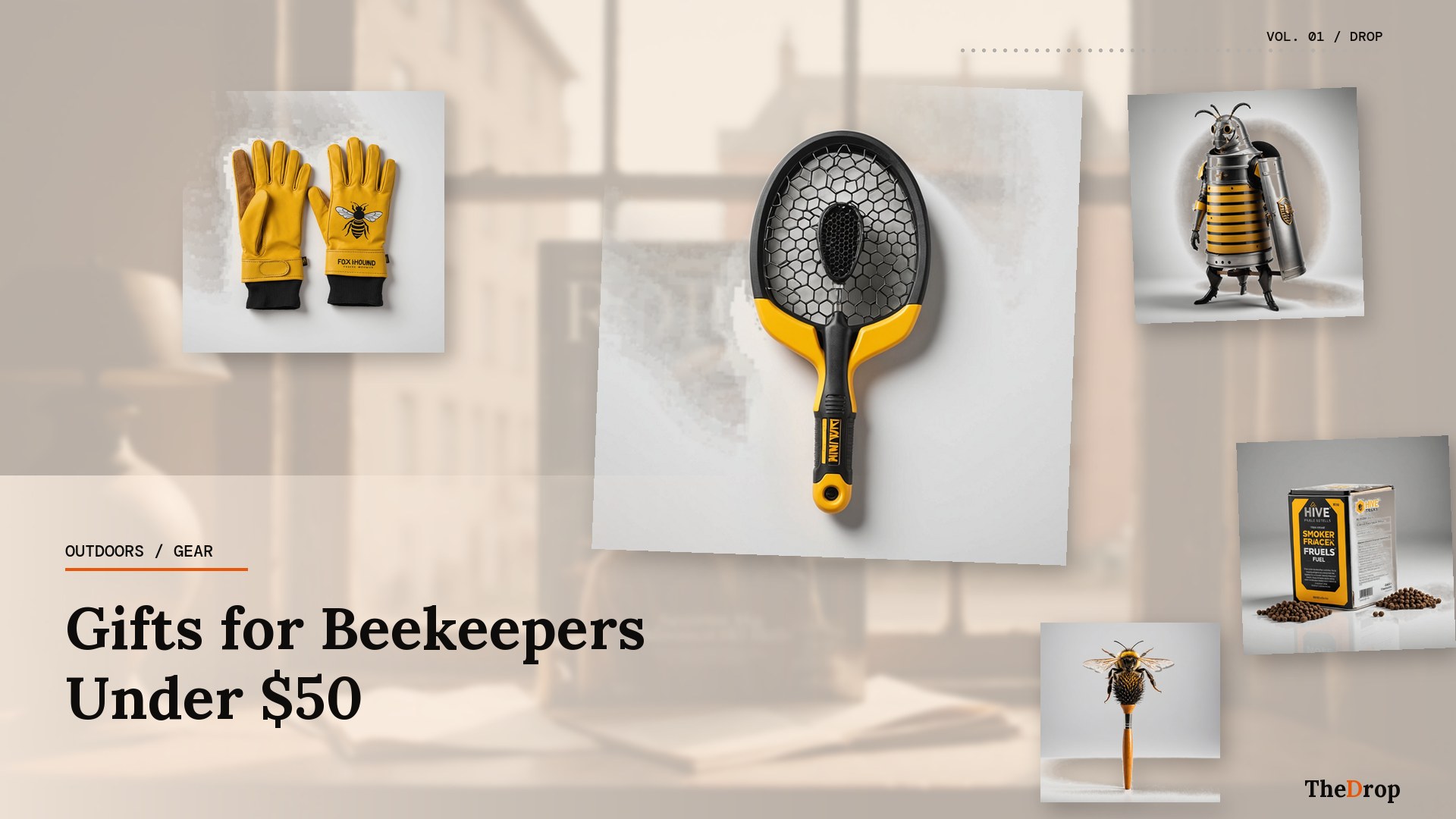
Bee Brush, Natural Soft Bristle, 12-inch Handle
Moving bees off frames during inspection and harvest without agitating them is a practiced skill aided by a soft natural-bristle brush. The right brush is gentle enough not to release alarm pheromone by injuring bees — the cheap plastic versions with stiff bristles teach this lesson expensively.
Hive Tracks Digital Hive Management Software Subscription
Hive Tracks is the digital log that replaces the notebook crammed with indecipherable inspection notes. Recording queen status, brood pattern, mite counts, and treatment dates per hive and per inspection gives the beekeeper a searchable history that improves every management decision across seasons.
Dadant Frame Grip Hive Tool, Stainless Steel
A proper frame grip tool — not just a generic hive tool — holds frames at the shoulders for controlled one-handed lifting during inspection. Beekeepers with multiple hives reach for a frame gripper more often than they expect; it protects the comb and keeps the inspection moving.
Fork it. Make it yours. Share before their birthday.
Friends claim items. No duplicates. No awkward conversations.