Gifts for Cold Process Soap Makers
Cold process soap making starts with a kitchen scale and a dangerous chemical and ends, after the saponification curve runs its course, with bars that genuinely outperform commercial soap in skin feel and character. The hobbyist who's made it past their first batch has opinions about superfat percentages and fragrance acceleration — these gifts meet them at that level.
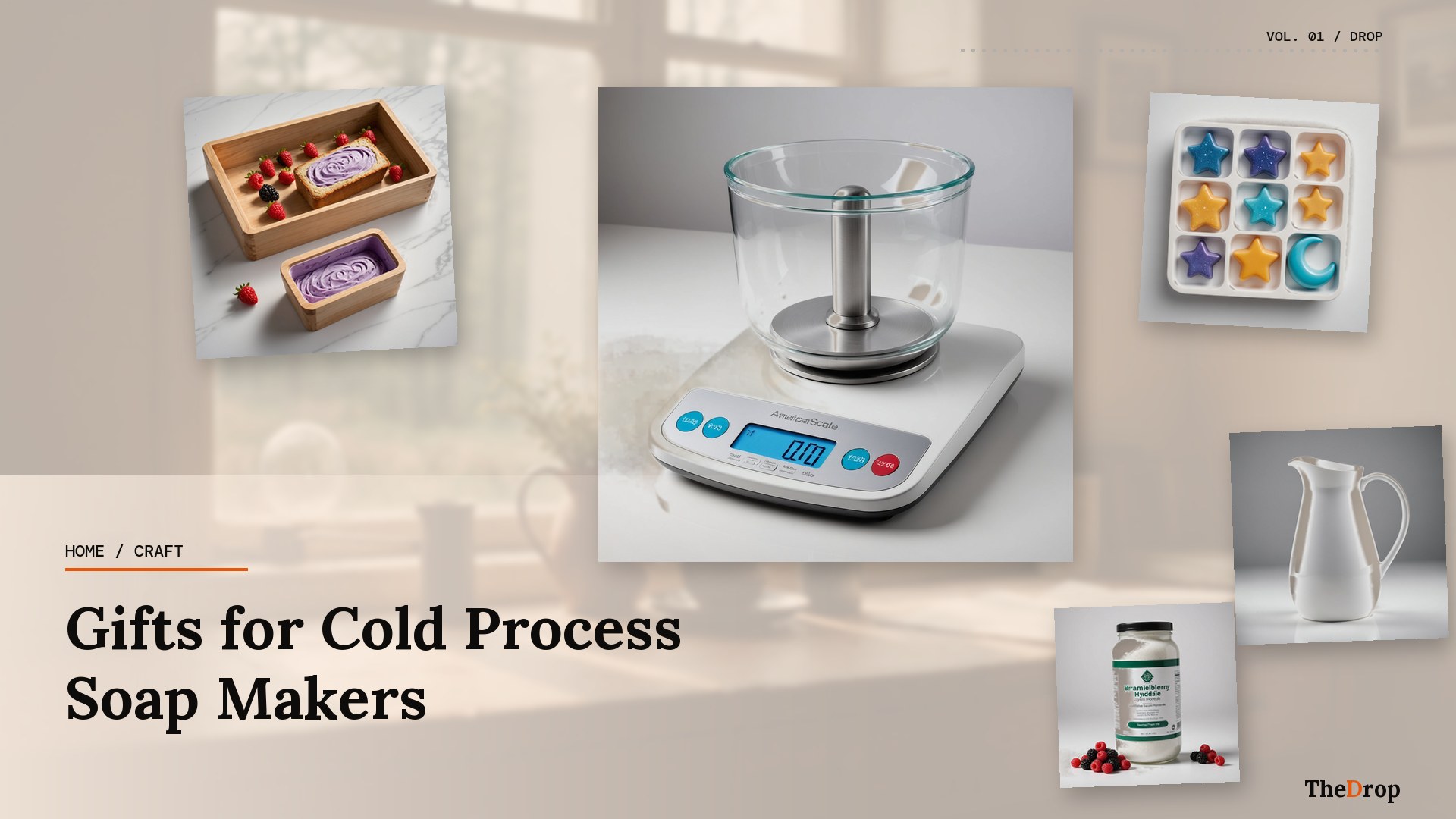
Brambleberry Loaf Silicone Soap Mold with Wood Box
The standard 10-inch silicone loaf mold produces a log that cuts into 8–10 bars per batch. The wooden box insert supports the flexible silicone during pour and gel phase — without it, full batches sag at the sides before hardening.
“The one reliable rule of gift-giving: anything that makes them look more serious at what they love will be received with disproportionate gratitude.”
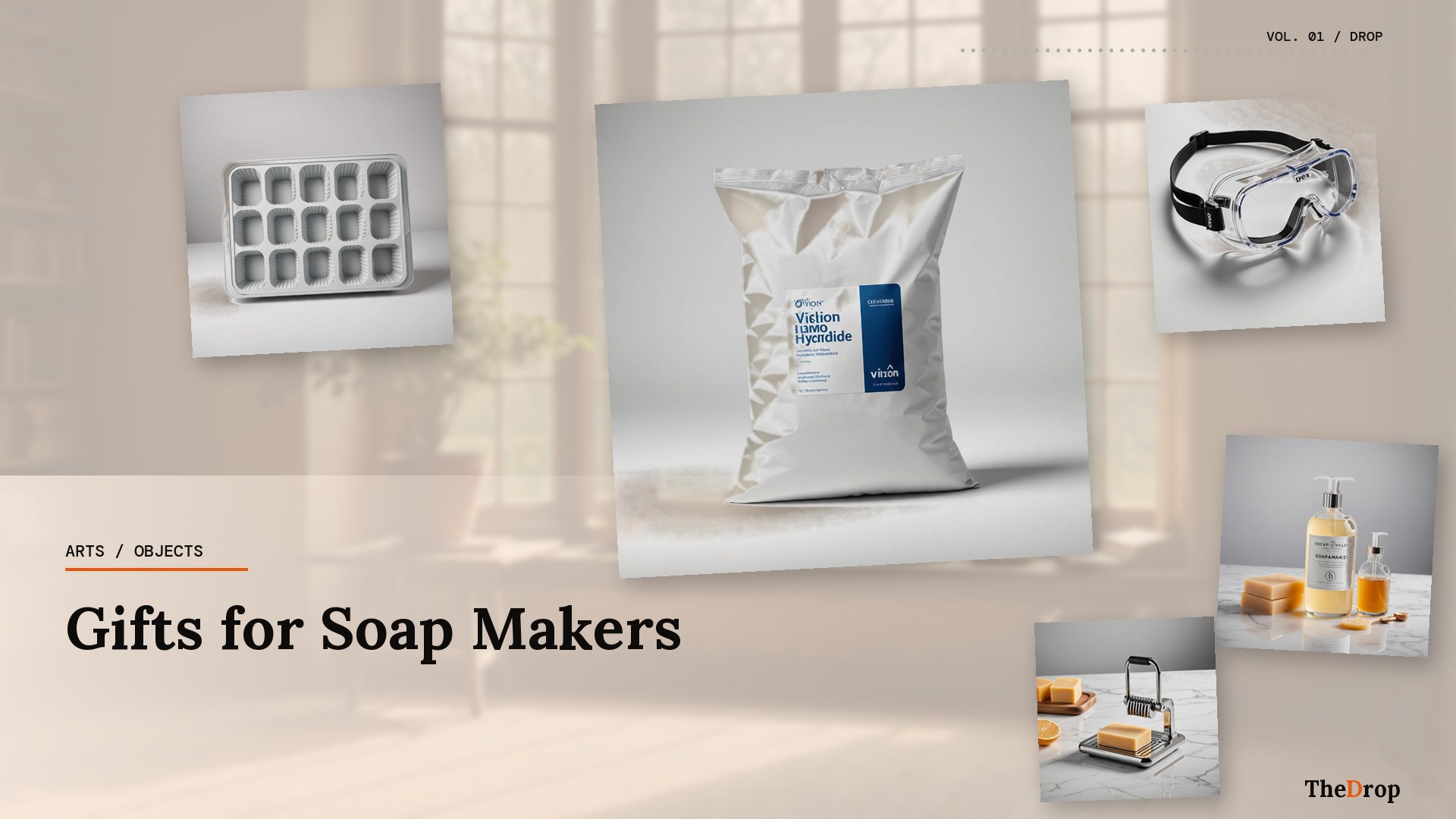
Milky Way Individual Cavity Silicone Soap Molds (6-Cavity)
Cavity molds let soapers produce individual shaped bars rather than cut-from-a-loaf rectangles. Six cavities in a flexible silicone tray release cleanly after unmolding — essential for the soaper who gifts finished bars or sells at markets.
HDPE Pitcher for Lye Solutions, 32 oz
Lye solution (sodium hydroxide in water) requires a container rated for the heat and chemical — HDPE plastics handle it safely where glass risks shattering from the exothermic reaction. A dedicated lye pitcher that never doubles as a food container is non-negotiable safety practice.
Nuage Organics Fragrance Oil Set for Soap Making, 6-Pack Sampler
Not all fragrance oils behave in cold process — some accelerate trace unpredictably or discolor the batter. This sampler set includes tested-for-soap FOs across floral, citrus, and woodsy profiles, giving the soaper confident formulation starting points without compatibility guesswork.
American Scale Digital Kitchen Scale, 11 lb x 0.1 oz
Soap making is precision chemistry — a two-gram lye variance in a one-pound batch changes the superfat meaningfully. A scale accurate to 0.1 oz is the minimum for reliable small-batch production; this one dedicated to soap bench use prevents cross-contamination with food prep.
Brambleberry Sodium Hydroxide Lye, 2 lb Food Grade
Pure sodium hydroxide for saponifying oils into cold process soap. Food-grade ensures no additional metals or contaminants affect the finished bar's skin safety. Two pounds makes approximately 12 standard loaf batches — a useful supply for anyone who soaps regularly.
Hand Soap Making: Formulation Fundamentals Book by Anne-Marie Faiola
Faiola is the founder of Brambleberry and one of the most credible formulation guides in the craft. This book explains oil chemistry, fragrance acceleration, and color troubleshooting with the specificity that helps soapers understand why a batch behaved the way it did.
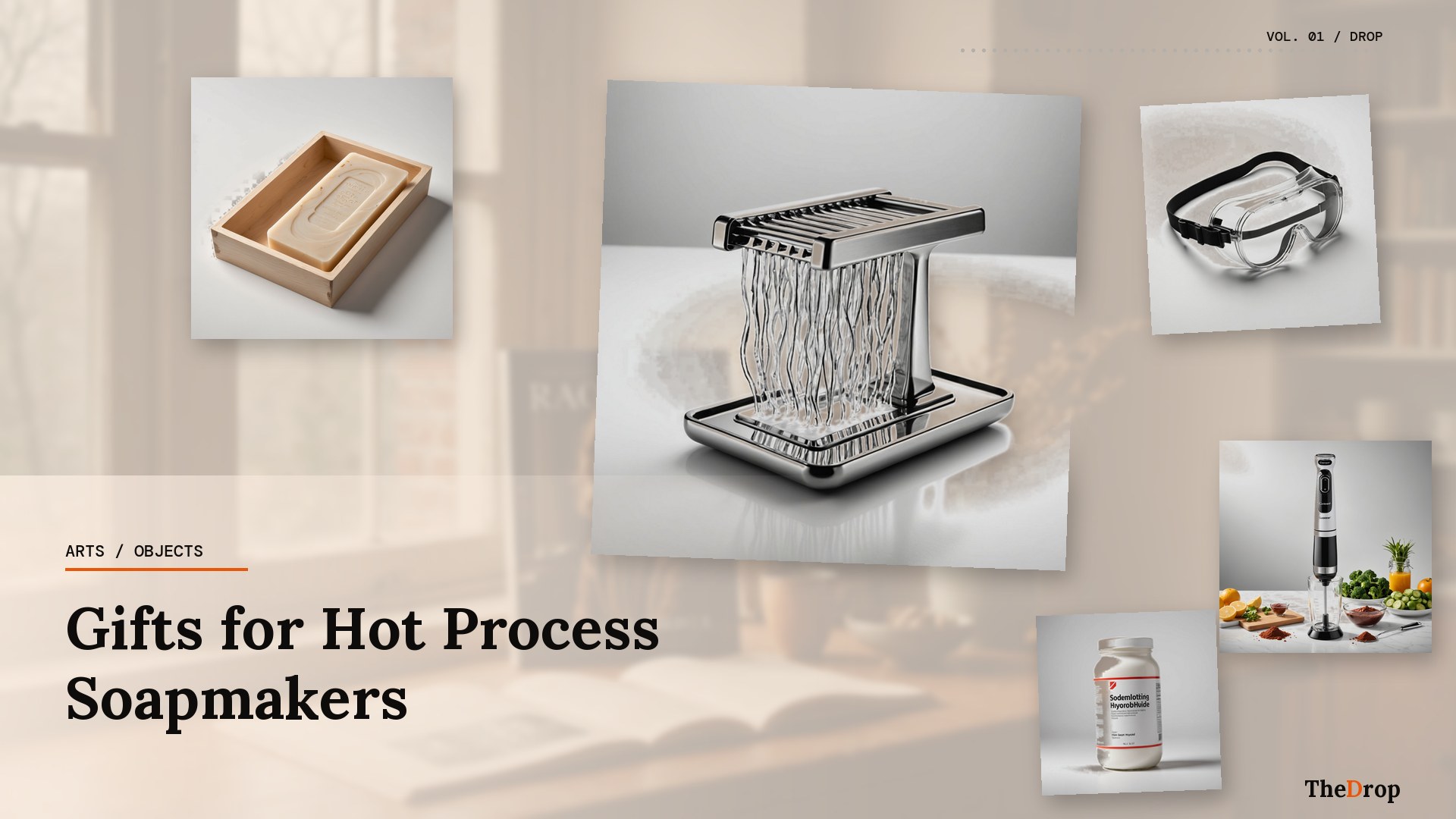
Stainless Steel Stick Blender for Soap Emulsification
Cold process soap emulsification requires blending oils and lye to trace — a stick blender reduces what was a 45-minute hand-stirring ordeal to under 3 minutes. Dedicated stainless steel construction prevents fragrance contamination from a shared kitchen blender.
Fork it. Make it yours. Share before their birthday.
Friends claim items. No duplicates. No awkward conversations.