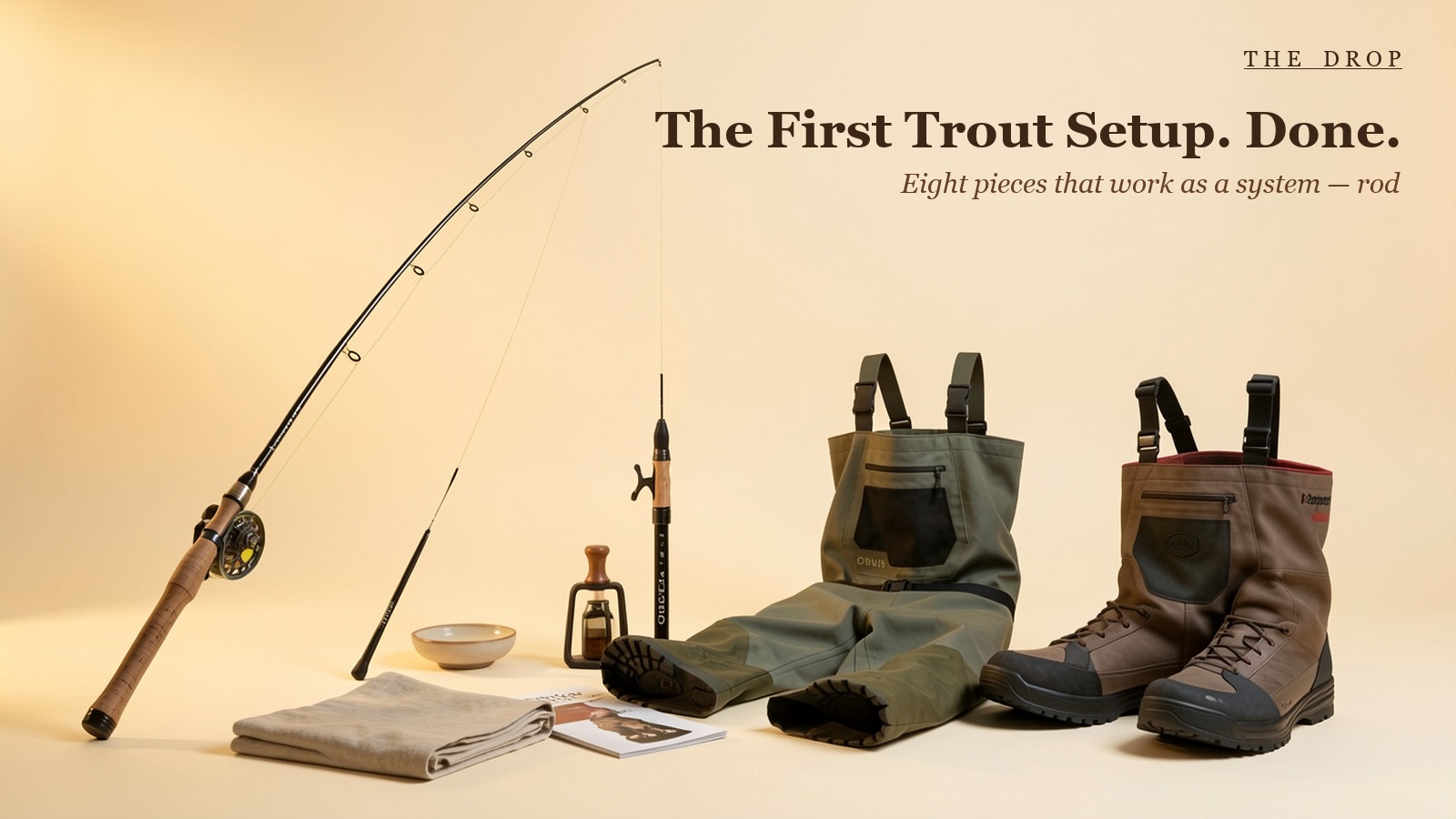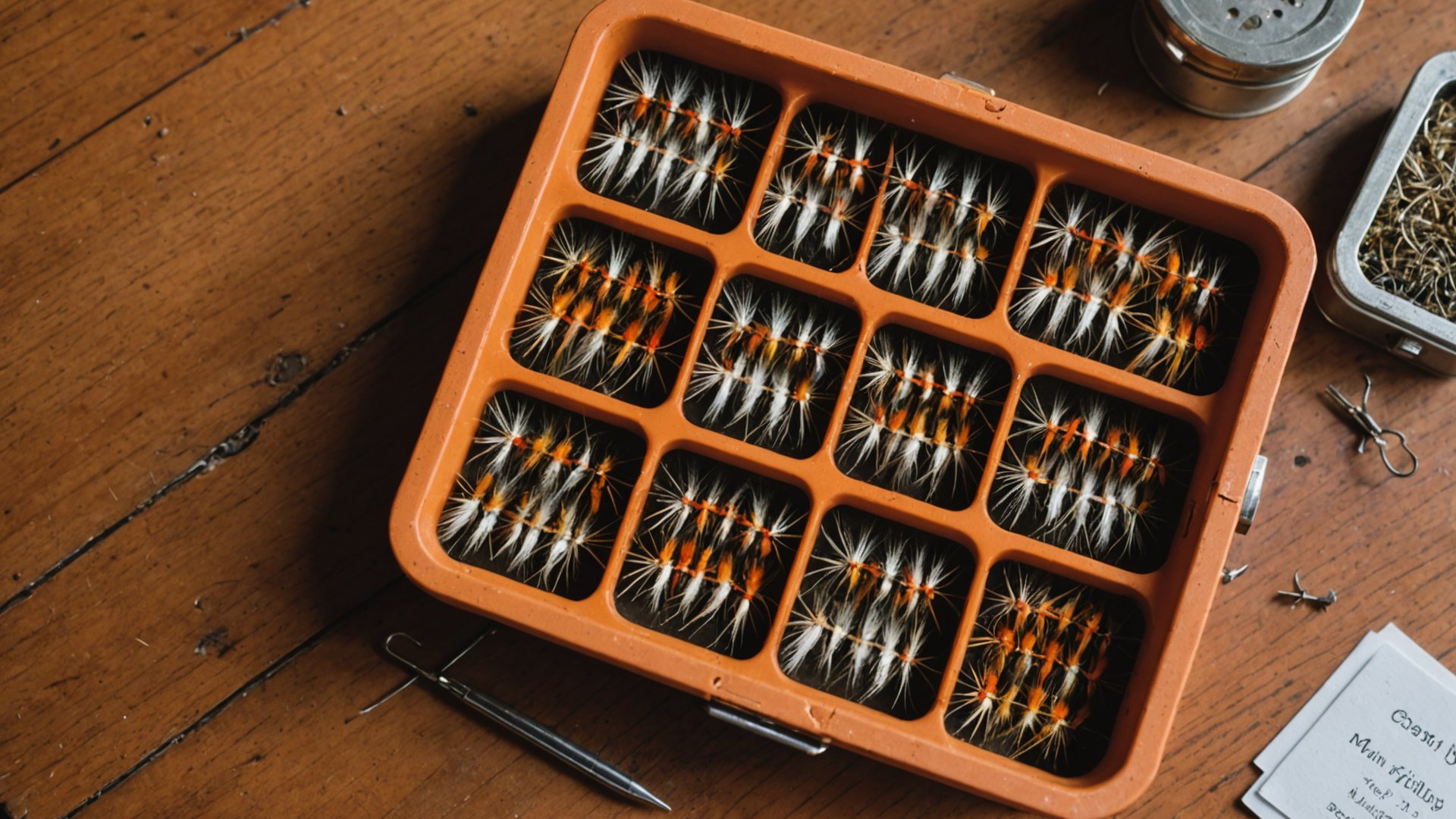
First Season on the Water, Already Naming the Riffles
He took a guide trip in June, bought a 5-weight in July, and has been driving forty minutes to the same creek every Saturday since. The first-season fly fisher is past the casting lessons — what is missing is the boring tackle layer.
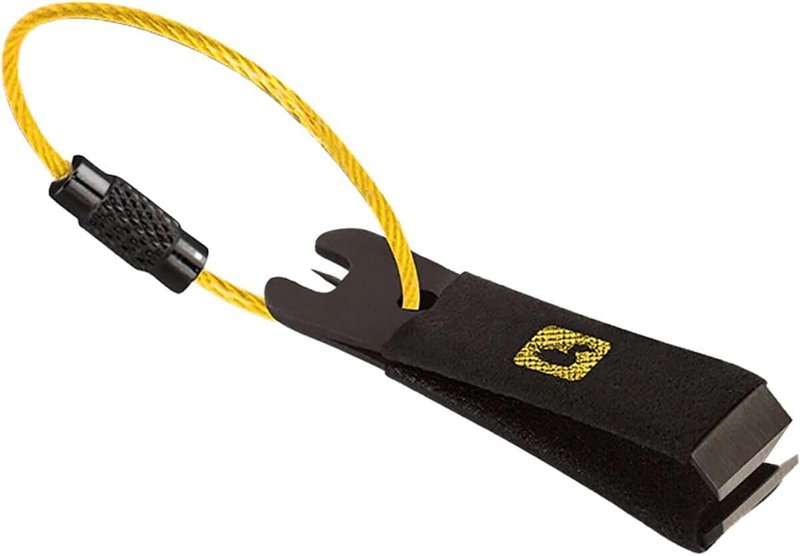
Loon Outdoors Rogue Nippers with Comfy Grip
The tool a fly fisher reaches for fifty times a day. Surgical-steel jaws, rubber grip that works with cold wet fingers, eye-cleaning needle on the back.
“The one reliable rule of gift-giving: anything that makes them look more serious at what they love will be received with disproportionate gratitude.”
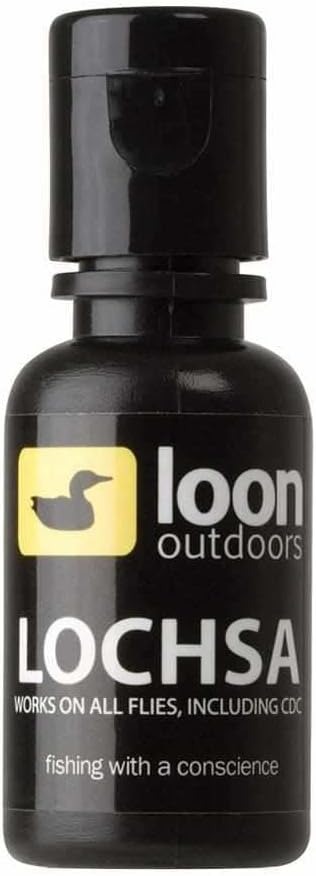
Loon Outdoors Aquel Premium Gel Floatant for Dry Flies
Keeps a dry fly riding the surface instead of dragging beneath. Aquel does not melt in summer or seize in October. The floatant the entire industry treats as default.
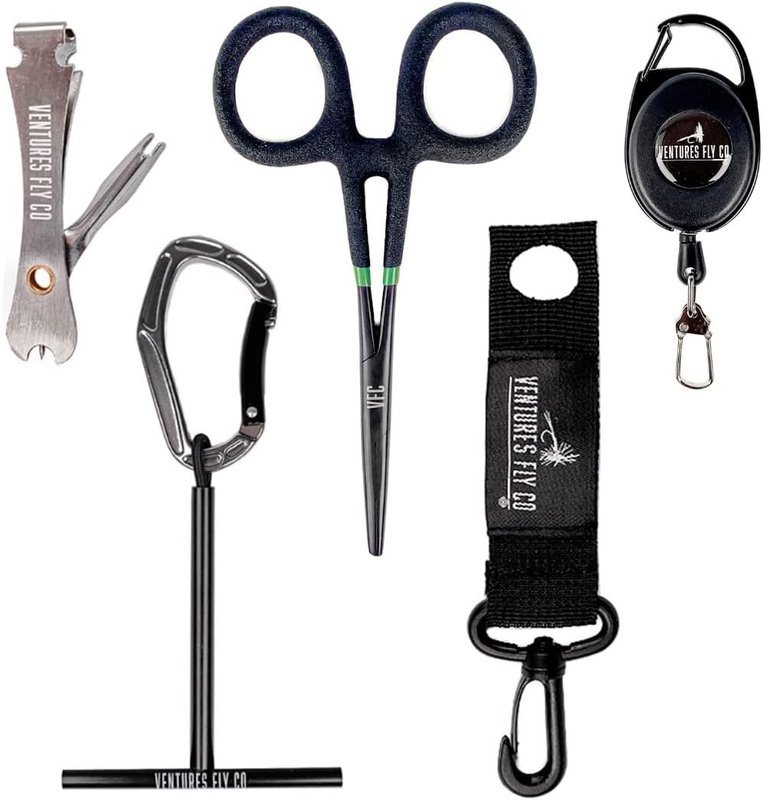
Ventures Fly Co. Fly Fishing Accessories Pack — Forceps, Tippet Holder, Zinger, Floatant Caddy
Closes every gap a first-year angler still has — forceps, tippet holder, zinger, floatant caddy. Each piece is the unsexy item they keep meaning to buy.
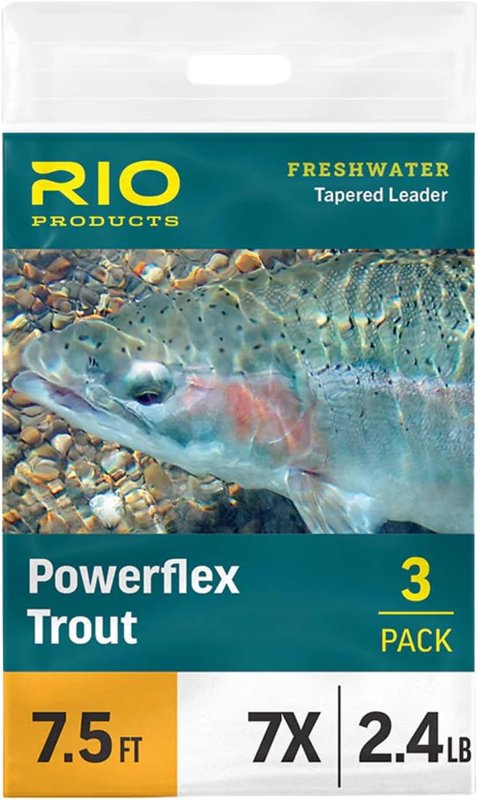
Rio Powerflex Trout Tapered Leader (9 ft, 5X) — 3-Pack
Leaders break, get retied shorter, become unfishable. Three 9-foot 5X tapered leaders is the right gift for the angler who has been mending one tired leader since June.
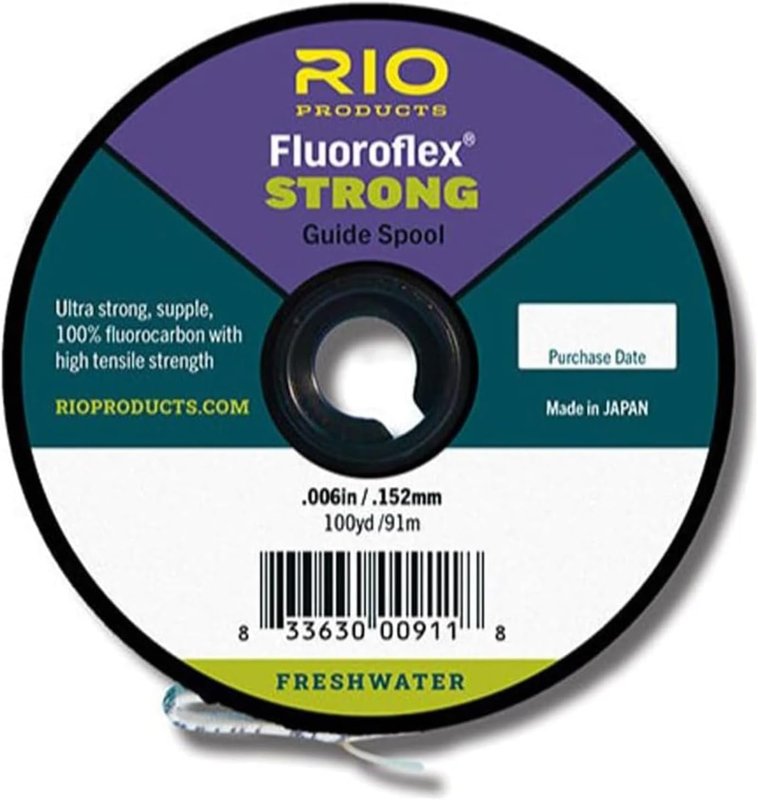
Rio Fluoroflex Strong Tippet Spool (5X, 50 yd)
Fluorocarbon disappears in clear water in a way mono does not. Matters most on small flies and pressured fish — exactly what a first-year angler chasing wild trout is fishing.
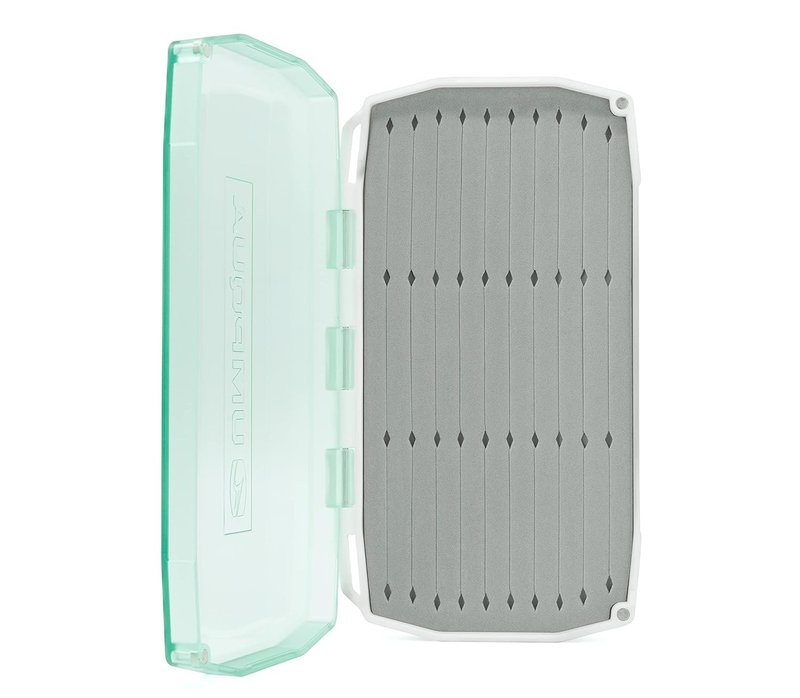
Umpqua HD Foam Fly Box (Large, Waterproof, Compartmented)
The fly box upgrade from the foam patch on the vest. Umpqua HD foam grips a hook through a wading dunking; the lid seals against rain. Stays in rotation for a decade.
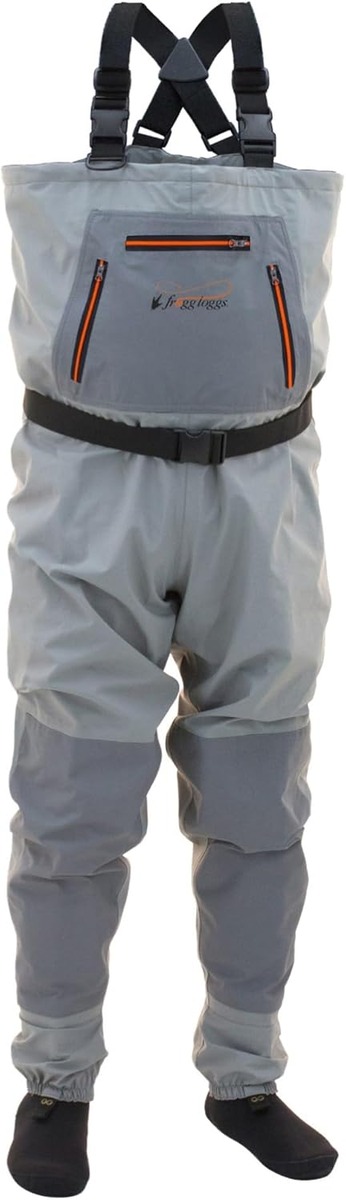
Frogg Toggs Hellbender Bootfoot Chest Waders (or Wading Pants — Stockingfoot, Breathable)
Most first-year anglers wade in old running shoes and freeze by 10am in October. Frogg Toggs Hellbender is the breathable wader the entry-level community settled on as the lowest-risk first pair.
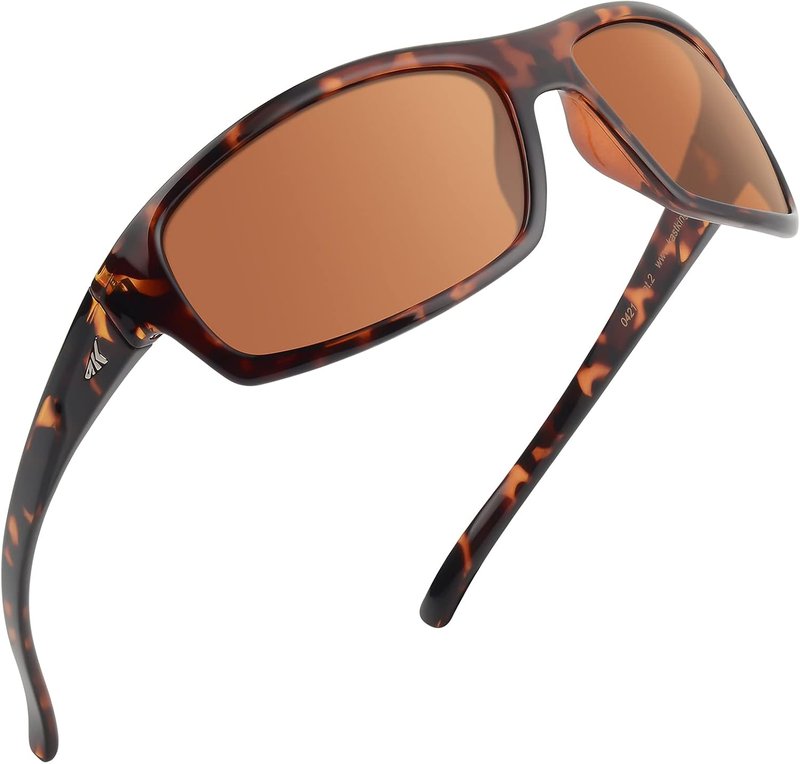
Tacklife Polarized Fishing Sunglasses with Amber/Copper Lens (UV400)
Polarised amber lenses cut surface glare and lift the riverbed into view. Tenth the price of Costa with the same amber tint and 1.1mm polarised film.
Fork it. Make it yours. Share before their birthday.
Friends claim items. No duplicates. No awkward conversations.