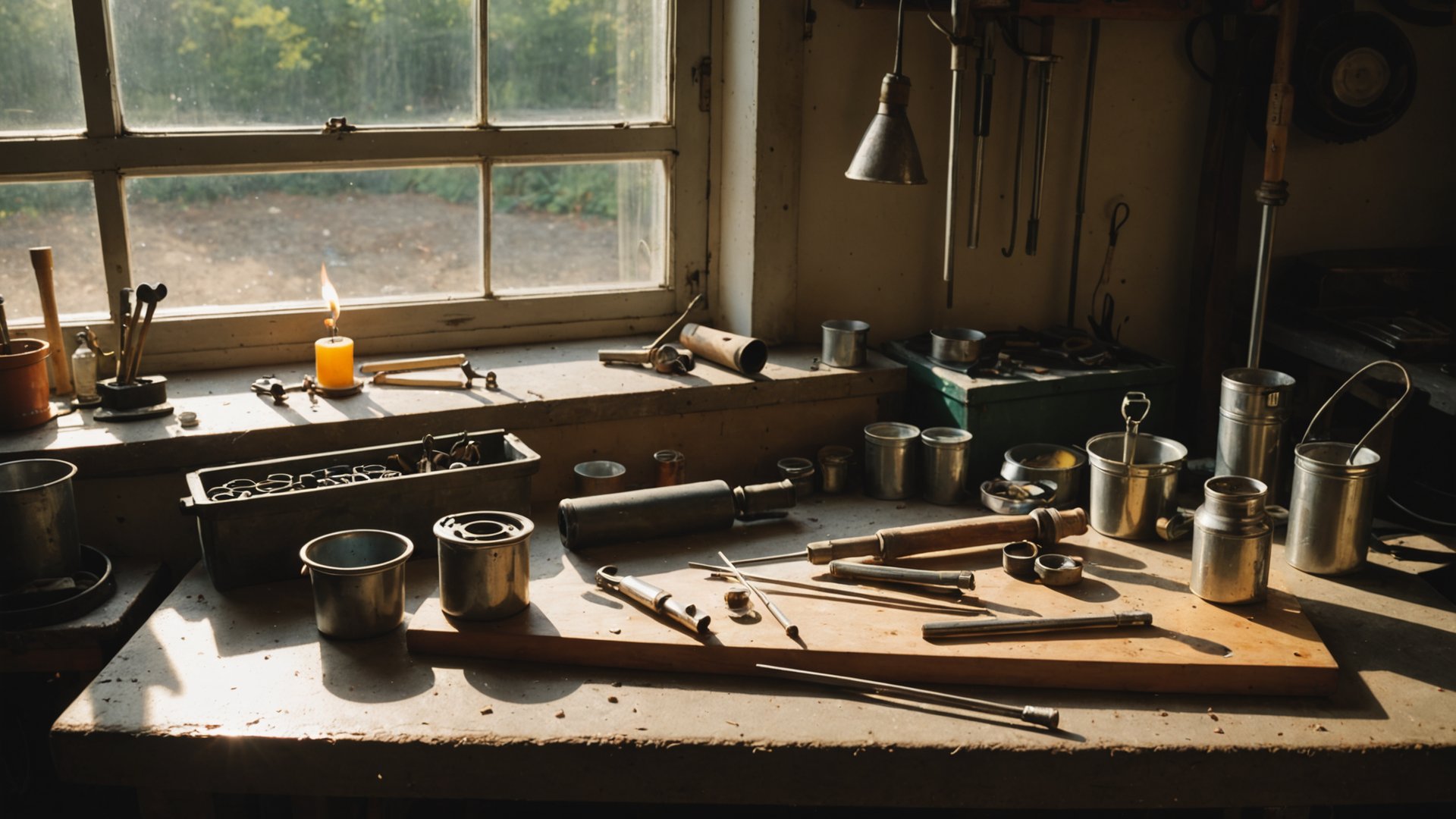
She Lit the Hot Head for the First Time Last Tuesday
She lit the Hot Head for the first time last Tuesday and has spent every Saturday in the garage since. The beginner lampworker has discovered the most expensive cheap hobby in glass — the trick is everything between the torch and the bench.
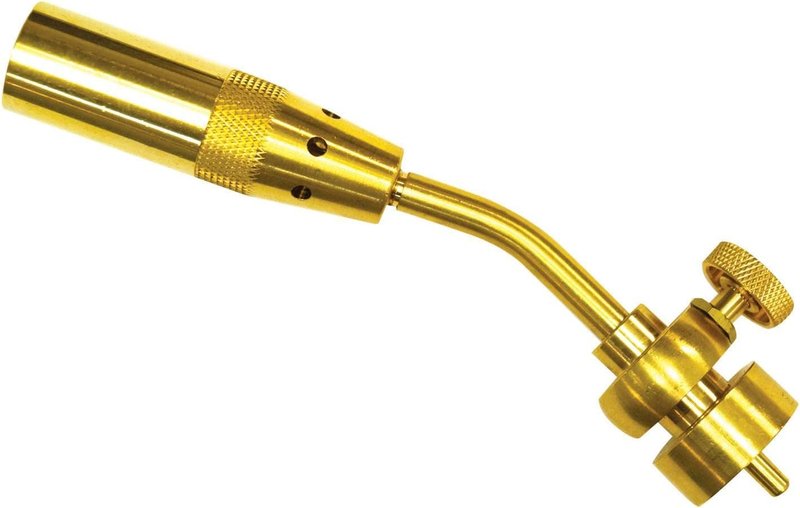
Hot Head Torch — Original Beadmaking and Flameworking Torch (MAPP / Propane)
The torch the entire beginner community starts on. Single-fuel, screws onto a hardware-store gas cylinder, six years of reliable use is typical. The single-best gift for moving from YouTube to actual flame.
“The one reliable rule of gift-giving: anything that makes them look more serious at what they love will be received with disproportionate gratitude.”
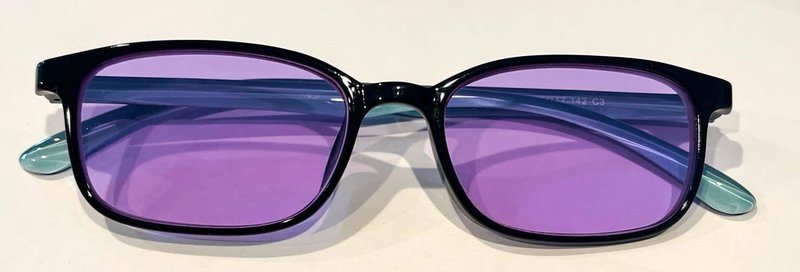
Devardi Glass Didymium Safety Glasses for Lampwork and Beadmaking (PT-2)
Filters the sodium-yellow flare so the bead surface is readable. Lampworkers call it the difference between guessing and seeing — and beginners never buy it for themselves.
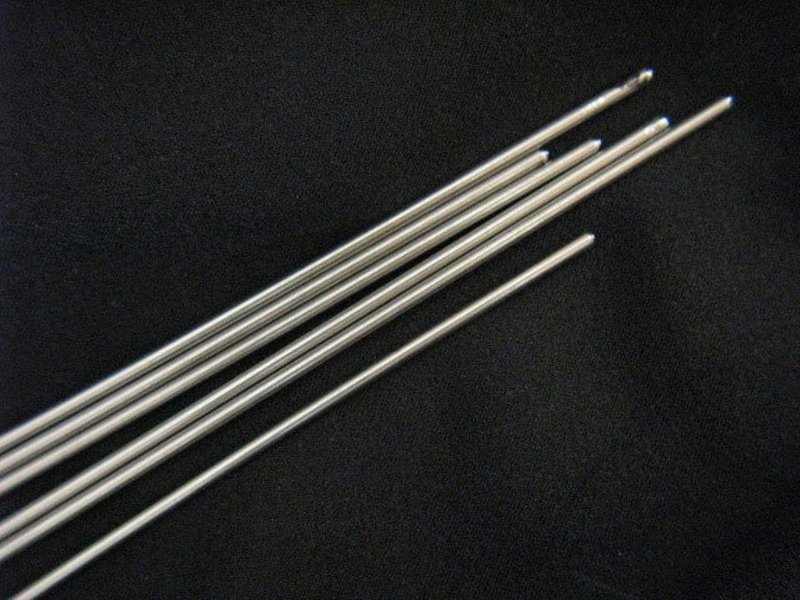
Devardi Glass 30-Pack Stainless Steel Mandrels (3/32 inch) for Lampworking and Beadmaking
Mandrels burn out, bend, or get coated with cured release nobody wants to scrape off. A pack of thirty means two months of practice without a supply-store run.
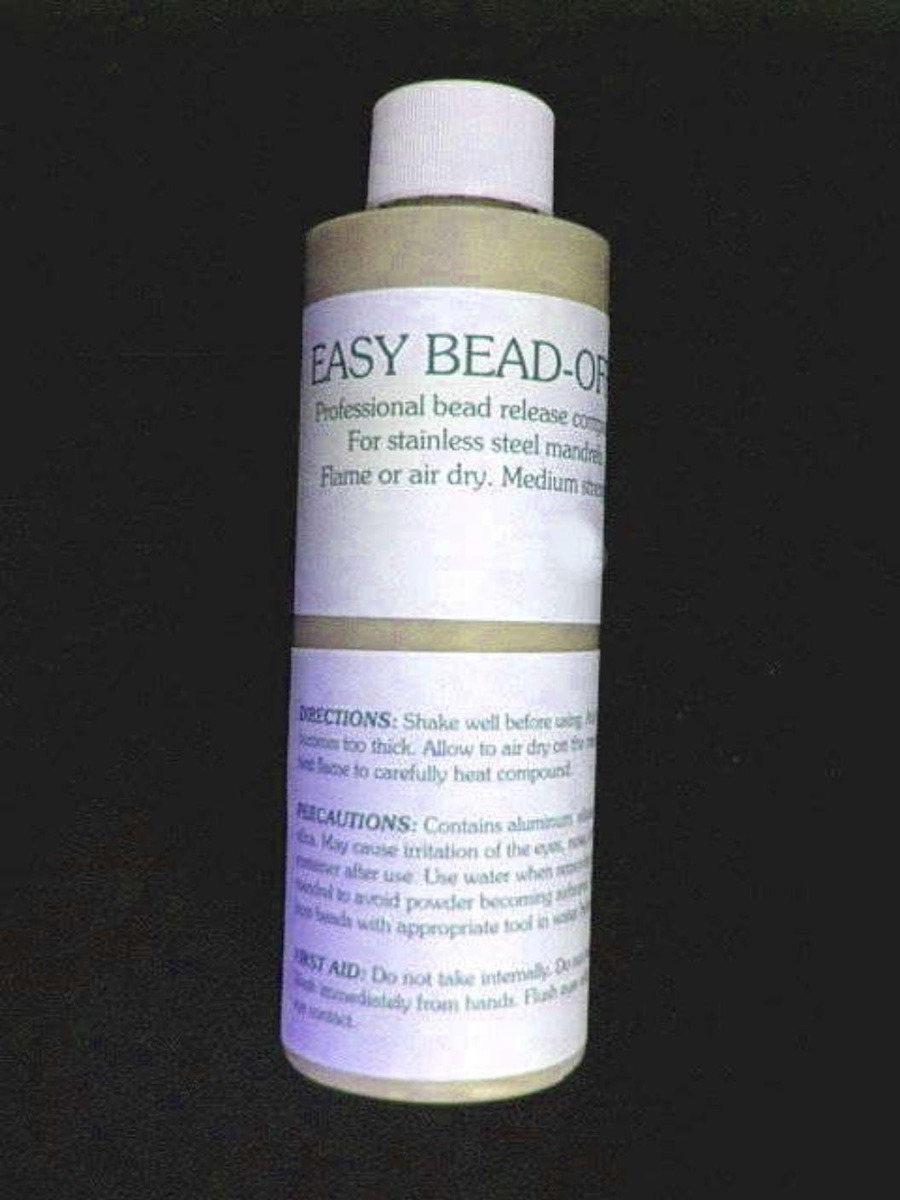
Heavy Duty Bead Release for Lampwork Mandrels (8 oz)
The clay-and-graphite slip painted onto a mandrel before glass touches it. When release is right, the bead slides off cool. When wrong, the bead cracks at the bore.
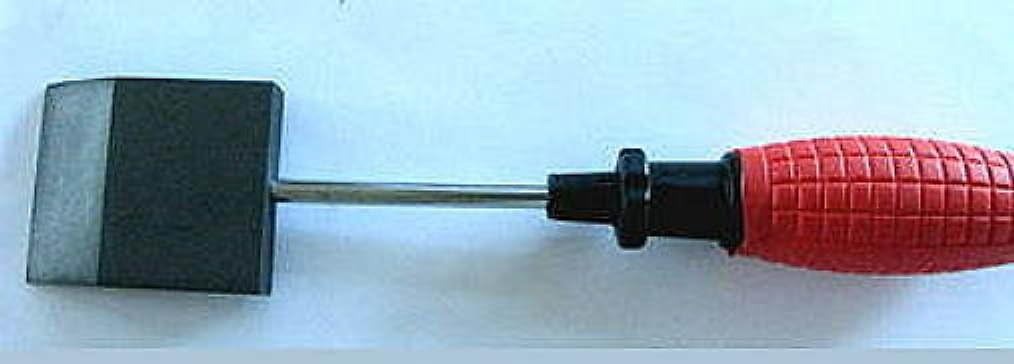
Devardi Glass Lampwork Beadmaking Block Graphite Marver
A flat block of graphite mounted to the bench. Without it, bead surfaces stay lumpy. With it, the first round bead happens within a week.
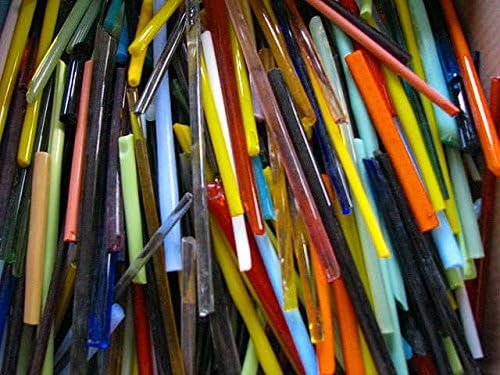
Devardi 104 COE Soft Glass Lampwork Rods (Mixed Colors, 5 lb Shorts Bundle)
The 104 COE soft glass every beginner learns on. Devardi shorts run two months of garage practice with the colour variety the lampwork forums recommend you start with.
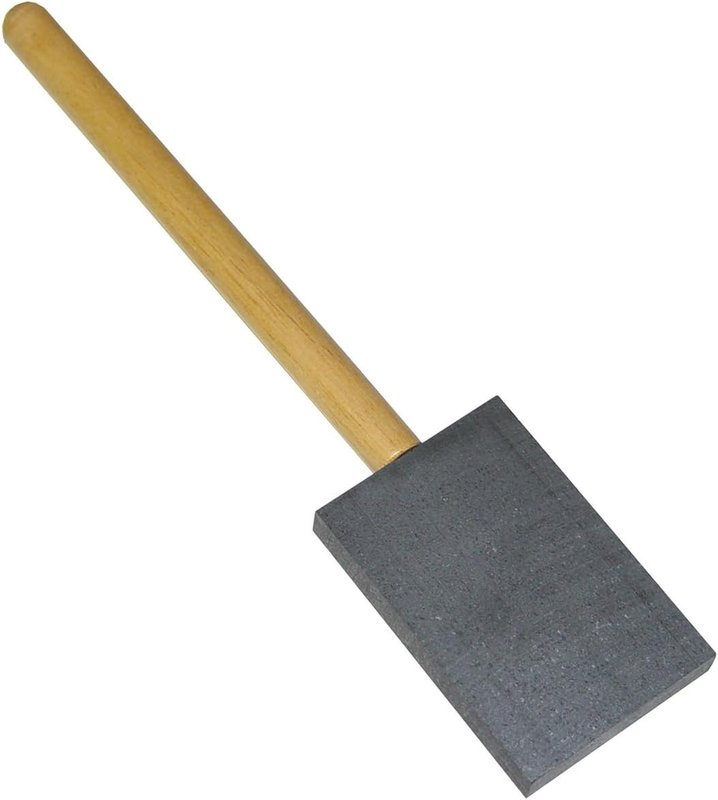
Fireworks Graphite Paddle (2 inch by 3 inch) for Glass Shaping
A handle paddle, used in the off hand to flatten a bead or square a side. The shaping tool a beginner does not realise they need until the third torch session.
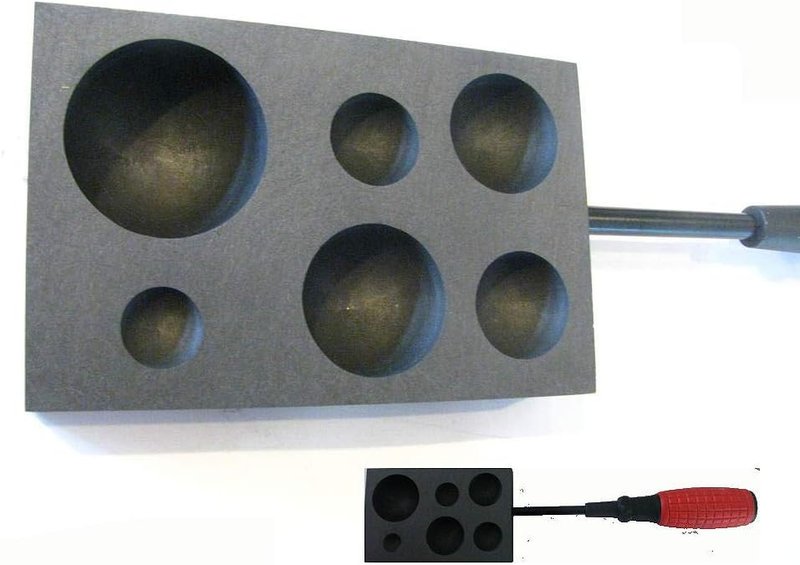
Devardi Glass 6-Hole Marble Maker Graphite Marver (USA Made)
The leap from beads to marbles is its own moment. A six-hole marble maker turns a hot blob into a true sphere — round in the way only a press makes round.
Fork it. Make it yours. Share before their birthday.
Friends claim items. No duplicates. No awkward conversations.