Gifts for Linux Enthusiasts and Home Server Builders
They run their own DNS, VPN, and media server on hardware that costs less than a cable TV subscription. Self-hosting is a philosophy as much as a hobby.

Samsung 970 EVO Plus NVMe M.2 SSD — 500GB
Storage is the perpetual upgrade in home server builds — faster drives mean better VM performance, quicker container starts, and more responsive media serving. The 970 EVO Plus is the reliable, well-benchmarked choice that the r/homelab community defaults to for OS drives and fast application storage.
“The one reliable rule of gift-giving: anything that makes them look more serious at what they love will be received with disproportionate gratitude.”

Anker USB 3.0 7-Port Hub — Data Hub with Power Adapter
USB port expansion is a constant pain point in mini PC and Raspberry Pi server builds — a powered 7-port hub with dedicated power supply prevents the voltage droop that causes USB devices to fail intermittently under load. Anker's USB hubs are the brand the self-hosting community recommends without qualification.
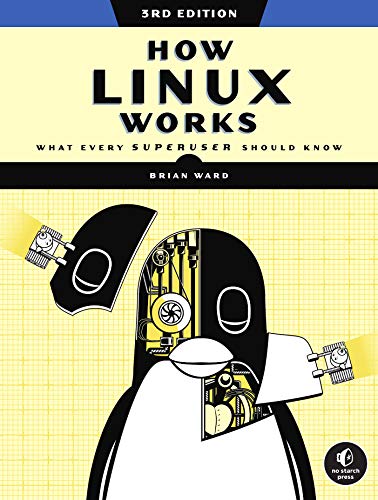
How Linux Works — Brian Ward, 3rd Edition
The book that serious Linux users recommend for developing a genuine understanding of the kernel, init systems, networking stack, and storage — not just how to run commands, but why they work. Even experienced users find coverage in Ward's third edition they hadn't encountered before.

TP-Link TL-SG105 5-Port Gigabit Unmanaged Switch
Wired gigabit connectivity is the infrastructure upgrade that transforms a home server network — this unmanaged 5-port switch is the most recommended entry-level option on r/homelab for adding wired drops without complexity. Metal housing, fanless, and reliable over years of continuous operation.

SanDisk 32GB Ultra USB 3.0 Flash Drive — 3-Pack
Linux enthusiasts constantly burn installation media, rescue USB drives, and persistent live environments — a multipack of reliable, fast USB drives is the consumable that self-hosters go through regularly. SanDisk Ultra drives are fast enough for most use cases and the brand that rarely causes boot failures.
Fork it. Make it yours. Share before their birthday.
Friends claim items. No duplicates. No awkward conversations.


