For the Runner Who Logs Miles.
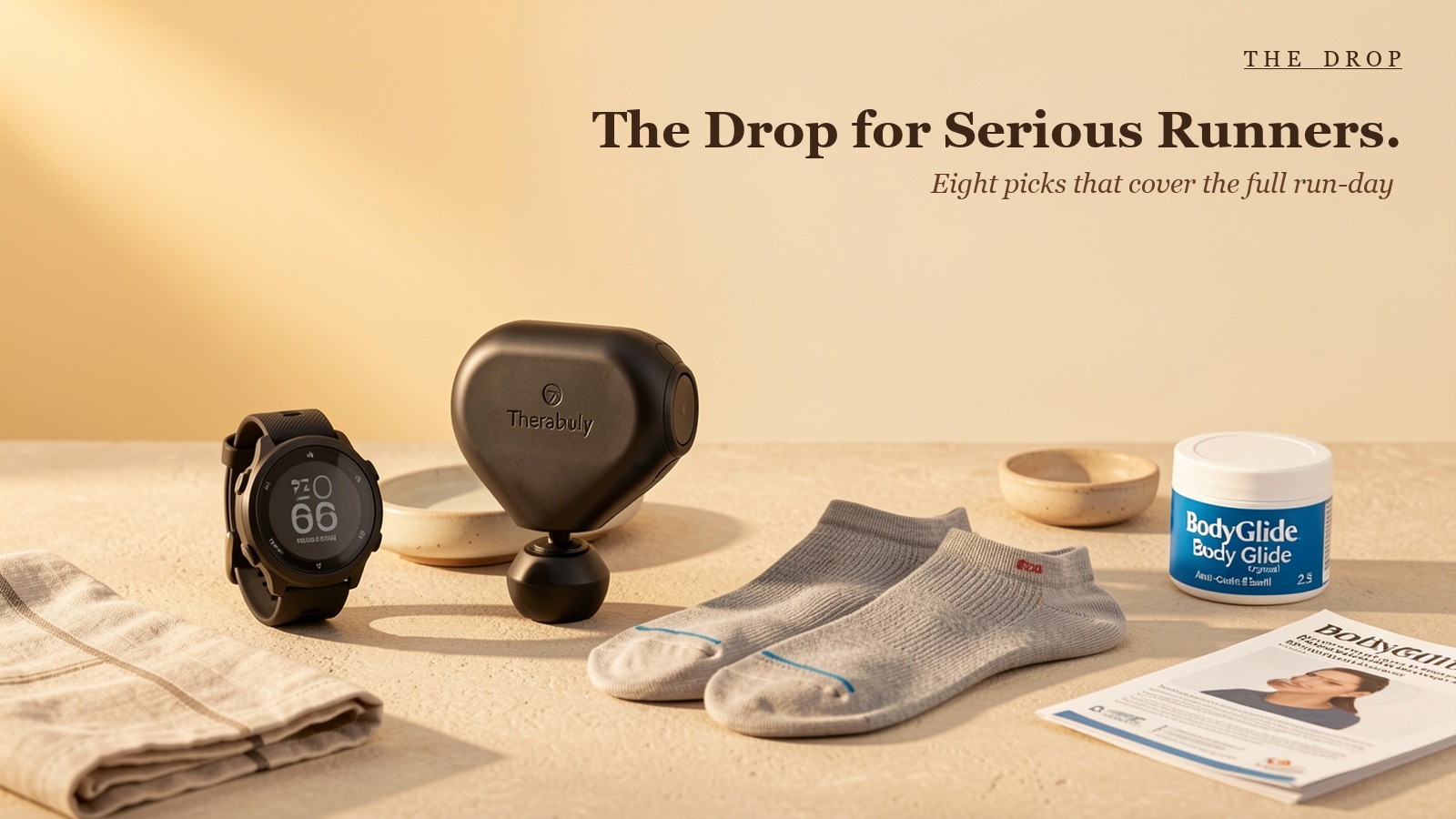
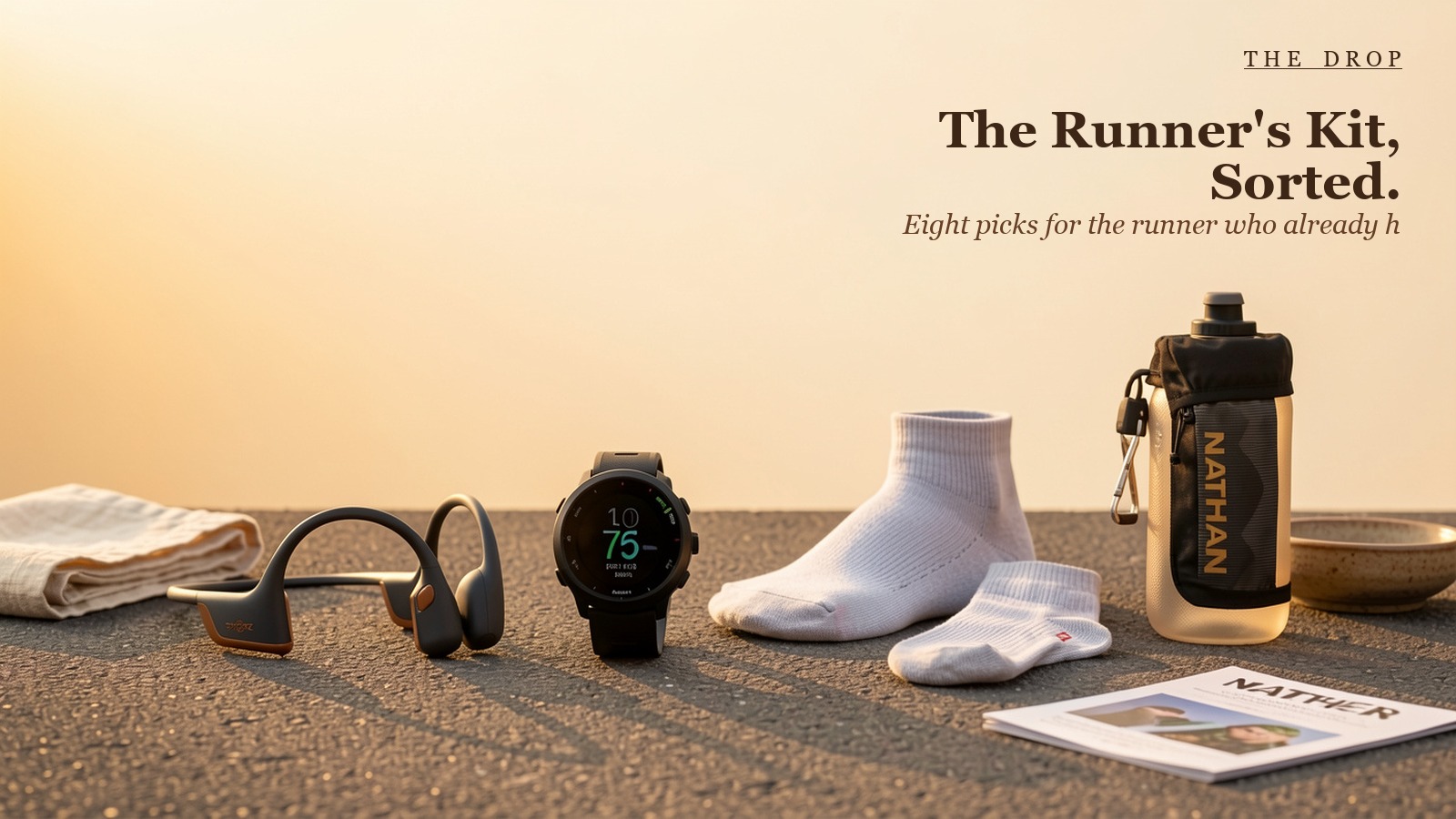
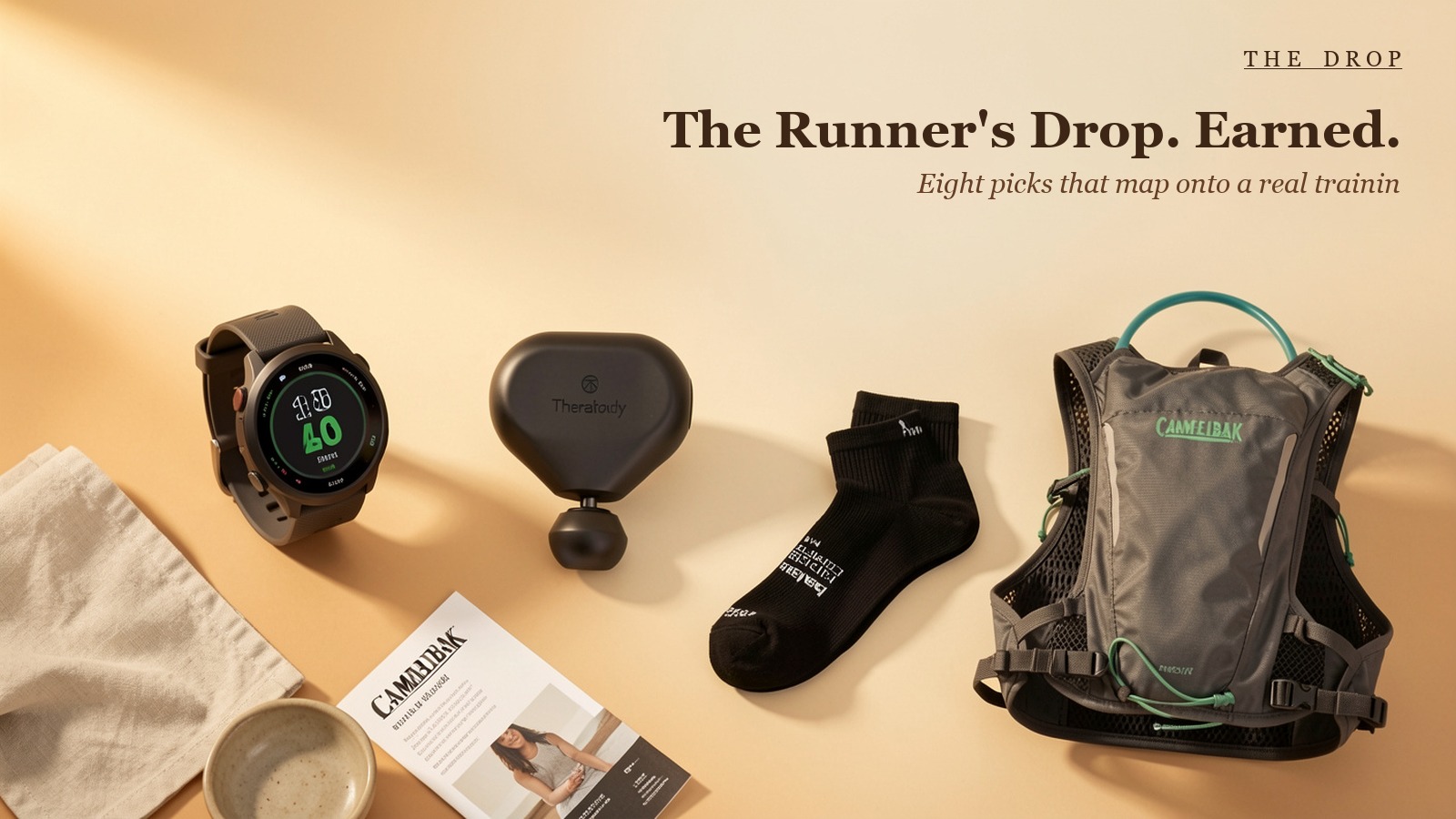
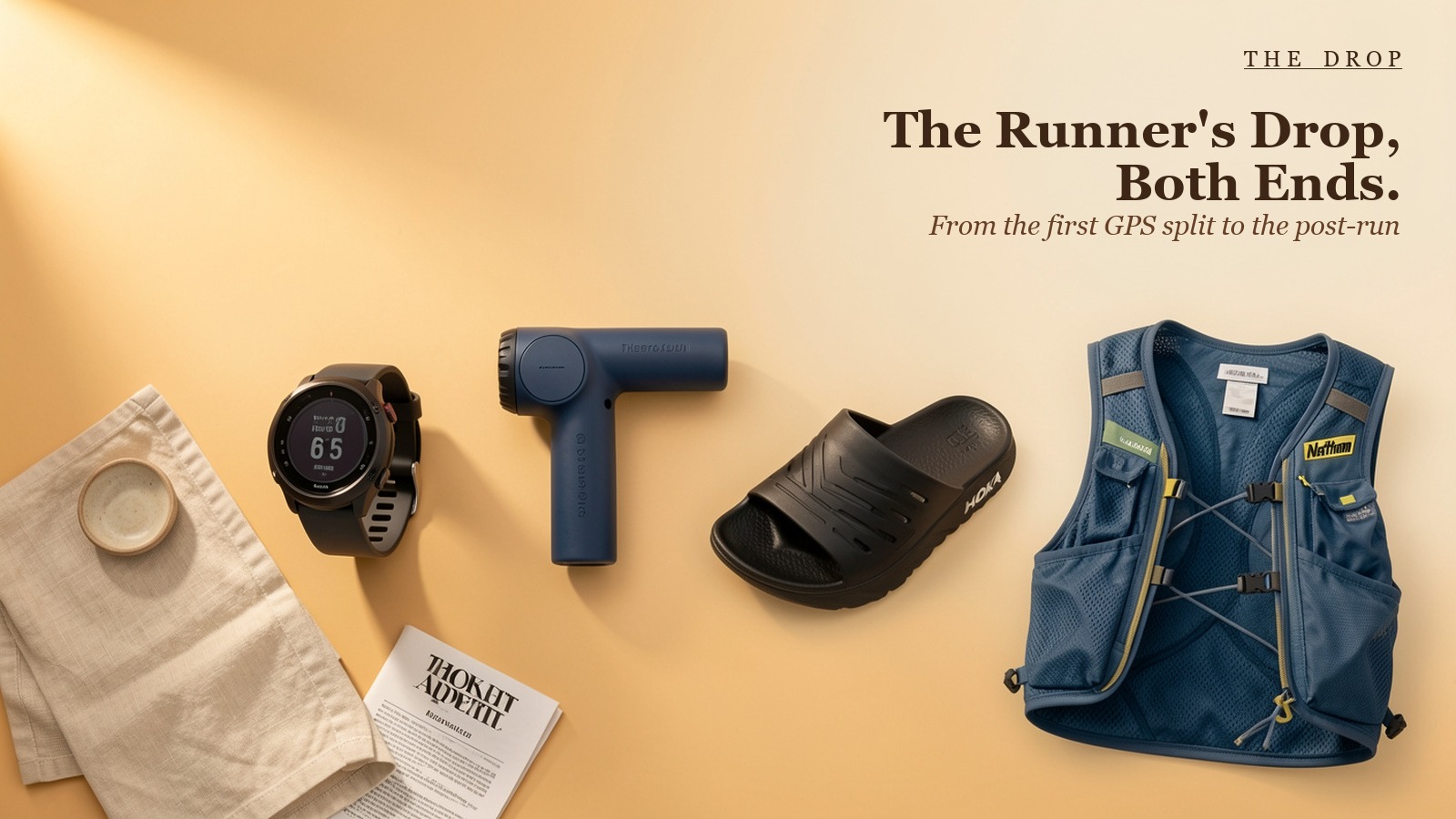
There's a moment around mile 18 of a long Sunday run when gear stops being gear and starts being either a problem or a solution. This drop is built for that runner: someone who tracks splits, respects their IT band, and has opinions about socks. The Garmin Forerunner 55 anchors it — a GPS watch that coaches every run that follows — and the rest of the picks build out the system around it. Start there.

Garmin Forerunner 55 GPS Watch
Every other pick in this drop becomes more useful once this is on their wrist. The Forerunner 55 gives a road runner GPS, wrist-based heart rate, and daily suggested workouts without demanding a 40-page manual. Up to two weeks of battery life means it survives a training block without a charging anxiety spiral. At $159, it's the entry point serious runners actually want.
“The one reliable rule of gift-giving: anything that makes them look more serious at what they love will be received with disproportionate gratitude.”
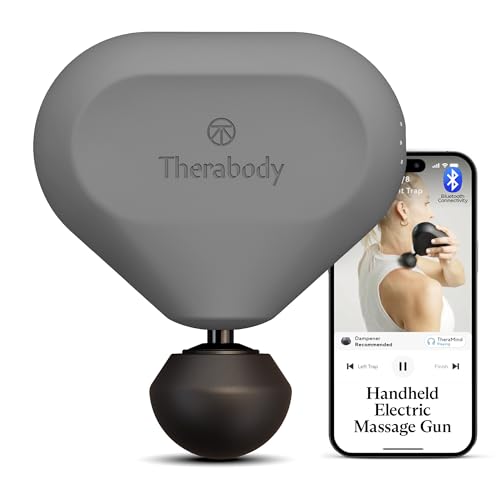
Therabody Mini 2nd Gen Massage Gun
The Theragun mini earns its keep in the 20 minutes after a long run — calves, quads, whatever tightened up around mile 14. Second-gen model is quieter and more pocketable than its predecessor. At $199, it's the splurge that graduates from the gear bag to the nightstand within a week of first use.

TriggerPoint GRID X Foam Roller
Extra-firm density and a 13-inch length make this the roller that coaches and PTs have been pointing runners toward for years. The GRID X's multi-density surface covers IT bands, calves, and thoracic spine without the foam compressing into uselessness after three months. At $55, it's unglamorous, irreplaceable, and genuinely used.
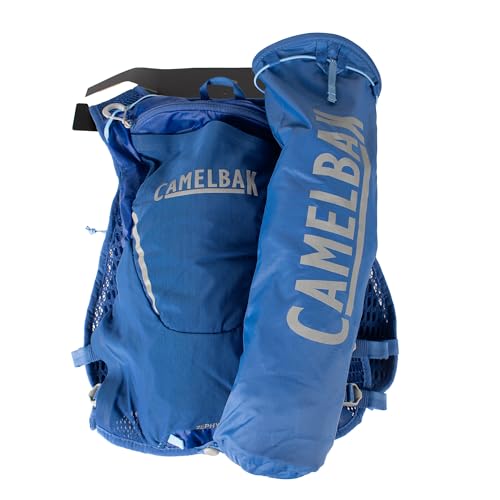
CamelBak Zephyr Pro Hydration Vest
Body-mapped ventilation and modular storage make the Zephyr Pro the vest for training runs that stretch past 90 minutes. The 34oz capacity handles distance without the sloshing that makes cheaper vests miserable. CamelBak's fit system sits close enough that it doesn't bounce. At $176, it opens up longer distances — the right gift for a runner eyeing a half or beyond.

Balega Hidden Comfort Socks (3-Pack)
Balega Hidden Comfort is the sock a runner mentions unprompted when someone asks what to buy. Deep-heel pocket, mohair-blend cushioning, and a no-show cut that stays put over 10-mile efforts. This 3-pack at $47 is generous in a way that actually lands — enough to rotate through a full training week without digging through the drawer.

Body Glide Original Anti-Chafe Balm
Nobody puts Body Glide on their wish list. Everybody needs it. The 2.5oz stick covers inner thighs, underarms, and anywhere else that becomes a problem around mile 10 in humid weather. At $11, it's the gift that signals you thought about the run, not just the gear — and it will get used before anything else in this drop does.
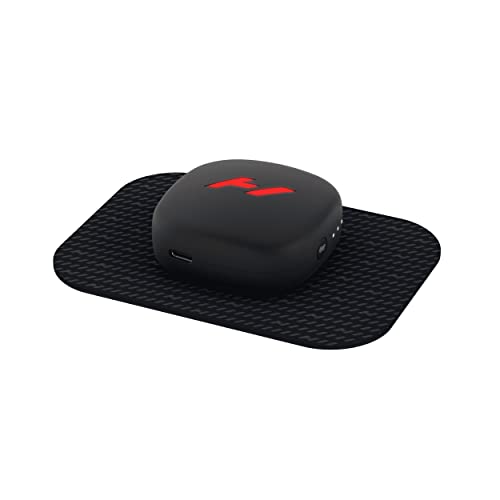
Hyperice Venom Go Heat + Vibration Wrap
The Venom Go combines targeted heat with vibration in a wearable wrap that works on quads, hamstrings, and lower back — wherever the week accumulated. It's the kind of recovery tool that feels indulgent the first time and feels like maintenance by the third week of a training block. At $129, it's a considered splurge with a clear job to do.
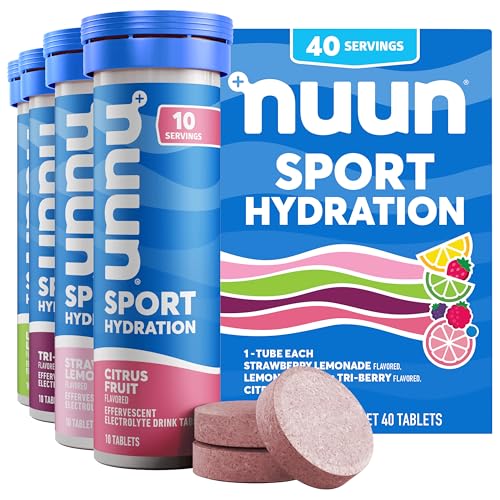
Nuun Sport Electrolyte Tabs (4-Pack)
Low sugar, easy to carry, and genuinely effective for sweat-heavy road running. The mixed-flavor 4-pack comes to 40 servings total — enough to cover a solid training block. At $26, Nuun tabs are the consumable a runner burns through and silently appreciates every time. A clean way to close out a thoughtful drop.
Fork it. Make it yours. Share before their birthday.
Friends claim items. No duplicates. No awkward conversations.