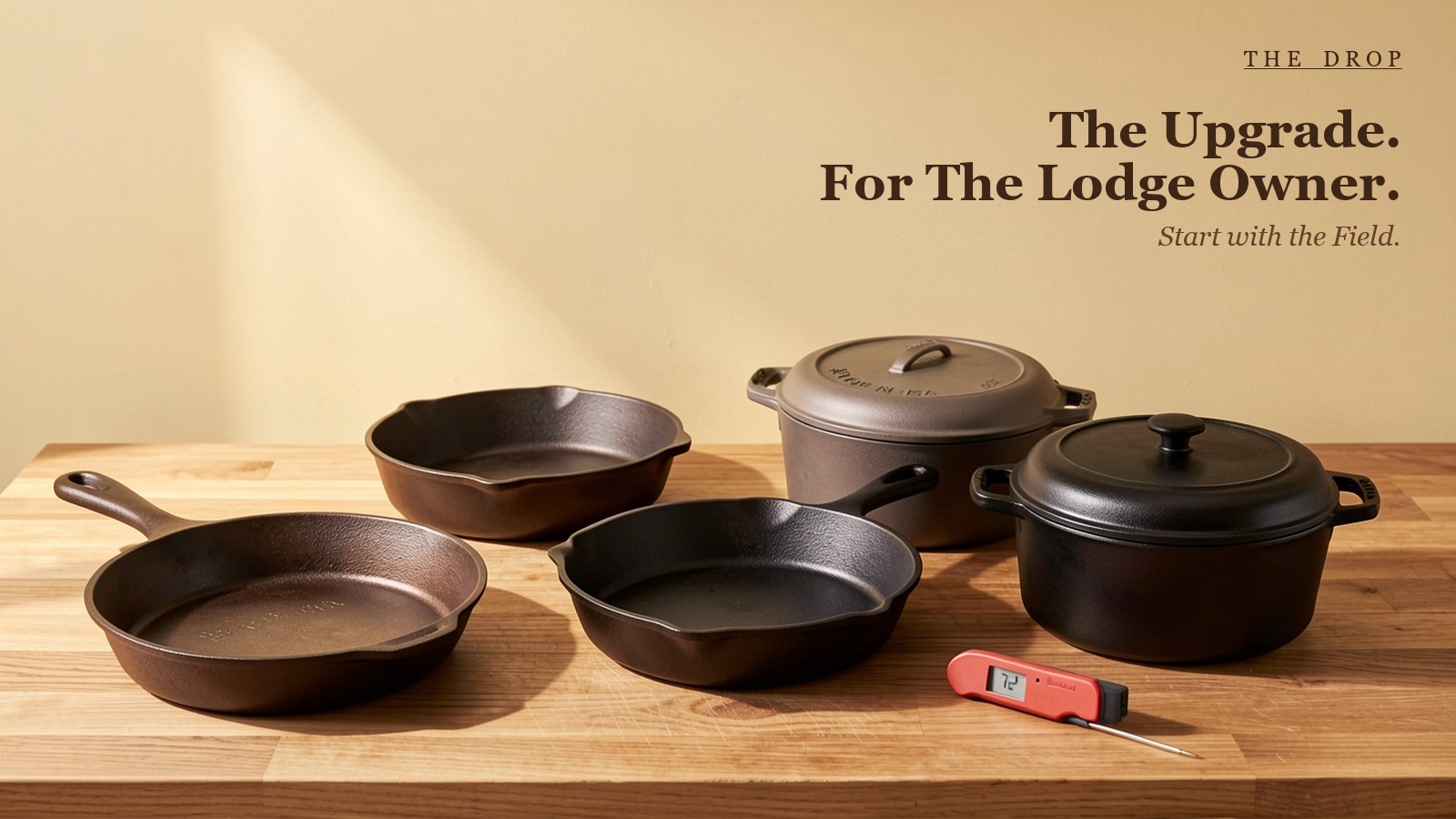
Gifts for the sister who just got her first cast-iron pan
Cast iron has a learning curve — burned handles, soap paranoia, the first time the seasoning looks wrong — and the right gifts cover all of it. This is a cook's kit, not a collector's: a book that explains the why, the tools that prevent the rookie mistakes, a trivet that earns its counter space, and one finishing touch that makes everything taste better.

The Latest Cast Iron Cookbook: 2000 Days Cast Iron Skillet & Dutch Oven Recipes for Beginners and Advanced Users
A cast-iron cookbook that covers both the skillet and the Dutch oven, which matters because the rules differ. Good for someone who just bought the pan and keeps asking why — why no soap, why preheat slowly, why does the steak stick. Answers the questions before she has to Google them at 7pm.
“The one reliable rule of gift-giving: anything that makes them look more serious at what they love will be received with disproportionate gratitude.”

CARON & DOUCET - Cast Iron Cleaning & Conditioning Set: Seasoning Oil & Cleaning Soap | 100% Plant-Based | Best for Washing, Restoring & Seasoning Cast Iron Skillets, Pans & Grills! 8oz Each
Plant-based seasoning oil and a soap that won't strip the finish — both in one set, both in the right size to actually use up before they expire. The oil goes on thin after every wash; the soap handles the sticky moments without the guilt. Cast iron maintenance is mostly just this, done consistently.

Lodge Silicone Hot Handle Holder - Dishwasher Safe Hot Handle Holder Designed for Lodge Cast Iron Skillets 9 Inches+ w/Keyhole Handle - Reusable Heat Protection Up to 500° - Red
The Lodge silicone handle sleeve — the one 46,000 people bought after burning their palm. Fits Lodge skillets from 9 inches up, rated to 500°, goes in the dishwasher, comes in red so it's easy to find in a drawer. Less interesting than a cookbook. More important than a cookbook.

Cast Iron Scrubber | Dish Scrub Brush | 316 Cleaner Chainmail Scrubber for Cast Iron Pan Skillet Cleaner - Dish Scouring Pad Dishwasher Safe Cleaning Kit, Black 02
Chainmail scrubbing is the answer to the cast-iron cleaning paradox: gets food off without touching the seasoning. This one is 316 stainless, dishwasher safe, and compact enough to hang near the sink. Once she uses it, she'll stop worrying about whether she's washing the pan wrong.

Tramontina Bestow Enameled Cast Iron Round Trivet, 7-inches, Red, Kitchen Potholder for Hot Pans, Pots and Dishes
A 7-inch enameled cast iron trivet that sits on the counter and looks like it belongs there. Cast iron comes out of the oven at 450° and goes directly onto a surface that can take it — a trivet is not optional, it's just usually ugly. This one isn't.
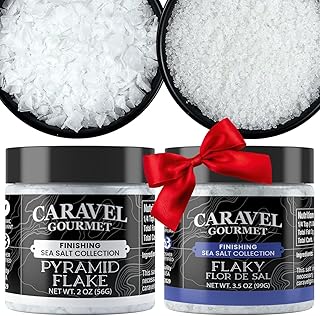
Flaky Sea Salt Gift Bundle - 2-Pack Fleur de Sel and Pyramid Flake Salt for Finishing & Cooking – Stackable 3.5 oz & 2 oz Pinch Jar by Caravel Gourmet
Fleur de sel and pyramid flake salt in stackable pinch jars — the finishing step that cast iron cooking is built for. A hot skillet sear, rested meat, and a pinch of flaky salt is a formula she'll use every week. Two textures, two salts, and a reason to stop reaching for the shaker.

Neolea Greek Sea Salt Flakes Gift Set – 100g of Each of Three Varieties: Pure, Smoked, and Mediterranean Herb – Flaky Finishing Salt Made from Fleur de Sel for Cooking, Baking, Topping, Meats & More
Three Greek sea salt varieties — pure, smoked, and Mediterranean herb — for the sister who wants to do more than finish. The smoked salt changes what a simple cast-iron chicken thigh tastes like. A small set with a specific point of view, from a producer with a near-perfect rating on a small review count.
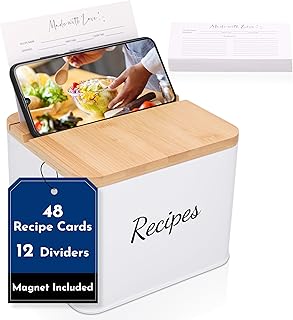
4x6 Recipe Cards and Box Set with Dividers - High-Capacity Tin Recipe Box with Wooden Lid - Includes 48 Double Sided Blank Recipe Cards - Cute and Customizable
A tin recipe box with a wooden lid, dividers, and 48 blank double-sided cards. Not digital, not a shared doc — a physical place to write down the cast-iron cornbread that finally worked. For the sister who is starting to build a real cooking repertoire and wants somewhere to put it.
Fork it. Make it yours. Share before their birthday.
Friends claim items. No duplicates. No awkward conversations.