Deploy-Ready: Desk Gear for the Developer With Opinions About Latency
For the engineer who has a mechanical keyboard preference and can explain why their IDE theme matters

Keychron K2 Wireless Mechanical Keyboard, Hot-Swap (RGB, Gateron Brown)
The Keychron K2 is the mechanical keyboard that r/MechanicalKeyboards recommends when someone asks for a first serious board under $70 — hot-swap sockets mean switches can be changed without soldering, and Bluetooth 5.1 means it works across Mac, Windows, and mobile. The 75% layout keeps arrow keys without wasting desk space.
“The one reliable rule of gift-giving: anything that makes them look more serious at what they love will be received with disproportionate gratitude.”

Grovemade Desk Shelf, Natural Maple
Monitor height and screen distance are the two ergonomic variables that eliminate the most neck pain for developers. Grovemade's maple shelf raises a monitor to eye level while creating organized storage beneath for keyboards, cables, and hard drives. It's the desk accessory that engineers point to as the single largest setup improvement they made.

The Pragmatic Programmer, 20th Anniversary Edition – Andrew Hunt, David Thomas
The Pragmatic Programmer is the software development book that experienced engineers still return to for its articulation of principles that apply across languages and paradigms. The 20th anniversary edition was fully rewritten in modern context. It's the gift that says 'I know what matters in this field' without being a textbook.

Cable Matters 6-in-1 USB-C Hub with 4K HDMI
A reliable USB-C hub is the unglamorous infrastructure that makes a developer's desk actually work — single-cable laptop connection, 4K monitor output, SD card reading, and USB-A for legacy peripherals. Cable Matters' build quality is consistently praised on r/hardware for surviving the daily dock-undock cycle that cheap hubs fail within months.

Anker USB C Charger, 65W PIQ 3.0 GaN PPS Compact
GaN chargers pack laptop-charging power into a travel-friendly brick — this Anker delivers 65W from a single USB-C port that handles MacBook Pro, ThinkPad, and any modern laptop. The size is about 40% smaller than manufacturer bricks, which matters at the desk, in a bag, and at airport outlets.
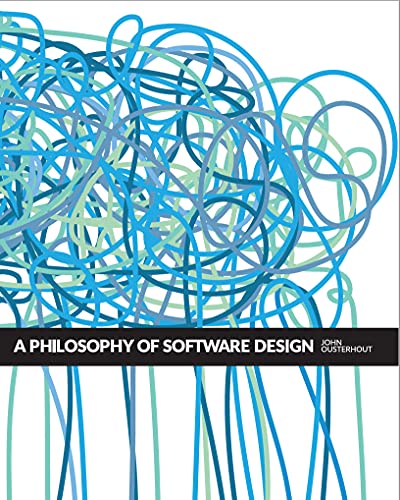
A Philosophy of Software Design – John Ousterhout
Ousterhout's book from Stanford is the companion to Clean Code that software engineers find more immediately applicable — it focuses on the design decisions that produce maintainable systems rather than just clean syntax. The anecdotes come from real CS courses and the design problem examples are pulled from actual production codebases.
Fork it. Make it yours. Share before their birthday.
Friends claim items. No duplicates. No awkward conversations.


