Gifts for a teen who just got into film photography
The camera is already in their hands — what they need now is film to burn through, something to protect the lens they're learning to love, and maybe the first nudge toward developing their own. This drop covers all of it: anchor supplies, practical gear, a darkroom starter, and one tiny thing that will make them feel like a real photographer before they've finished their second roll.

Kodak Ultramax 400 Color Print Film 36 Exp. 35mm DX 400 135-36 (108 Pics) (Pack of 3), Basic
Three rolls of Kodak Ultramax 400 is the right anchor gift because it removes the one thing that slows new shooters down: rationing. ISO 400 handles indoor light, overcast afternoons, and bright sun without swapping stocks. They will make mistakes on these rolls. That is exactly the point.
“The one reliable rule of gift-giving: anything that makes them look more serious at what they love will be received with disproportionate gratitude.”
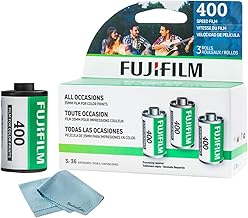
FUJIFILM 400 Color Negative Film (35mm Roll Film, 36 Exposures, 3-Rolls) + BluebirdSales Microfiber Cleaning Cloth
Fujifilm 400 renders greens and skin tones differently than Kodak — cooler, a little flatter, with a look that photographs well in natural window light. If they've only shot one brand, this three-pack is the argument for trying the other. The included microfiber cloth is genuinely useful.

Tiffen 49UVP Slim 49mm UV Protection Filter for Camera Lens, Clear Optical Glass, Impact Resistant
A UV filter on a cheap manual camera isn't about UV — it's about keeping the front element safe while they figure out how to handle the thing. Tiffen's glass is clear enough that it won't affect exposure. At under eight dollars, it costs less than one roll of film and will outlast several.

Camera Strap Brown Canvas Neck Shoulder Strap with Quick Release Buckles for DSLR SLR
The canvas-and-leather strap that ships with most cheap manual cameras is designed to be replaced. This brown canvas one hangs the camera at the right height, doesn't bite into the shoulder after an hour out, and has quick-release buckles so they can swap it off a bag. Small upgrade, noticeable every day.

Compact 35mm Film Developing Tank & Kit, No Dark Bag Needed, 135 Film Darkroom Equipment with Magnetic Clips, Easy-to-Use Portable Black & White Developer Tools (Black - Tank Only)
The promise of this tank is that you don't need a darkroom to load it — the canister design blocks light during loading, which removes the biggest barrier to home developing. Five reviews is a small number, but the concept is sound and the price makes it the right first tank to try. Pair it with chemistry from a local camera shop.

50 Pack 7x6 Negative Sleeves for 35mm Film - Acid-Free Negative Pages, Archival Storage Sheets for 35mm/135 Film Collect & Organization - Holds 2100 Frames
Fifty acid-free negative sleeves sounds like a lot until you realize a serious year of shooting will fill most of them. Each page holds six strips of six frames, lies flat in a binder, and lets you hold negatives up to the light without touching the emulsion. The kind of supply that makes the hobby feel permanent.

RALENO 9" LED Video Light Panel, 2500K-6500K Camera Light for Video Conference Recording with 4000mAh Battery Type-C USB Ports, CRI>95 Photo Lights for Outdoor Photography Live Streaming Zoom Call
Film photographers who scan their own negatives quickly discover that the quality of the backlight matters. This RALENO panel runs on a rechargeable battery, adjusts from warm to daylight, and is bright enough to illuminate a lightbox setup or fill shadows in a portrait. Also useful for the inevitable period when they experiment with digital alongside film.

Photography Log Booklet 35mm 384 Exposures: Tables of Six Exposures per Page. 384 Exposures - 10 rolls of 36 exposure Film. Booklet 5 x 8 inches (Photography Log Books)
A shot log is the unexpected gift that separates photographers who improve from those who repeat the same mistakes on every roll. Six exposures per page with space for shutter speed, aperture, and notes — they'll probably fill the first few pages on a whim and then realize they actually want to know why that one frame worked.

35mm Film Photography Manual: Beginner's Guide
Under eight dollars and built around the specific camera type they already own — this beginner's guide covers metering, aperture, and the logic of manual exposure without assuming they want to go professional. Slim enough to read in a weekend, specific enough to be useful the next time they go out to shoot.
Fork it. Make it yours. Share before their birthday.
Friends claim items. No duplicates. No awkward conversations.