There Is a Trumpet on the Kitchen Counter Now
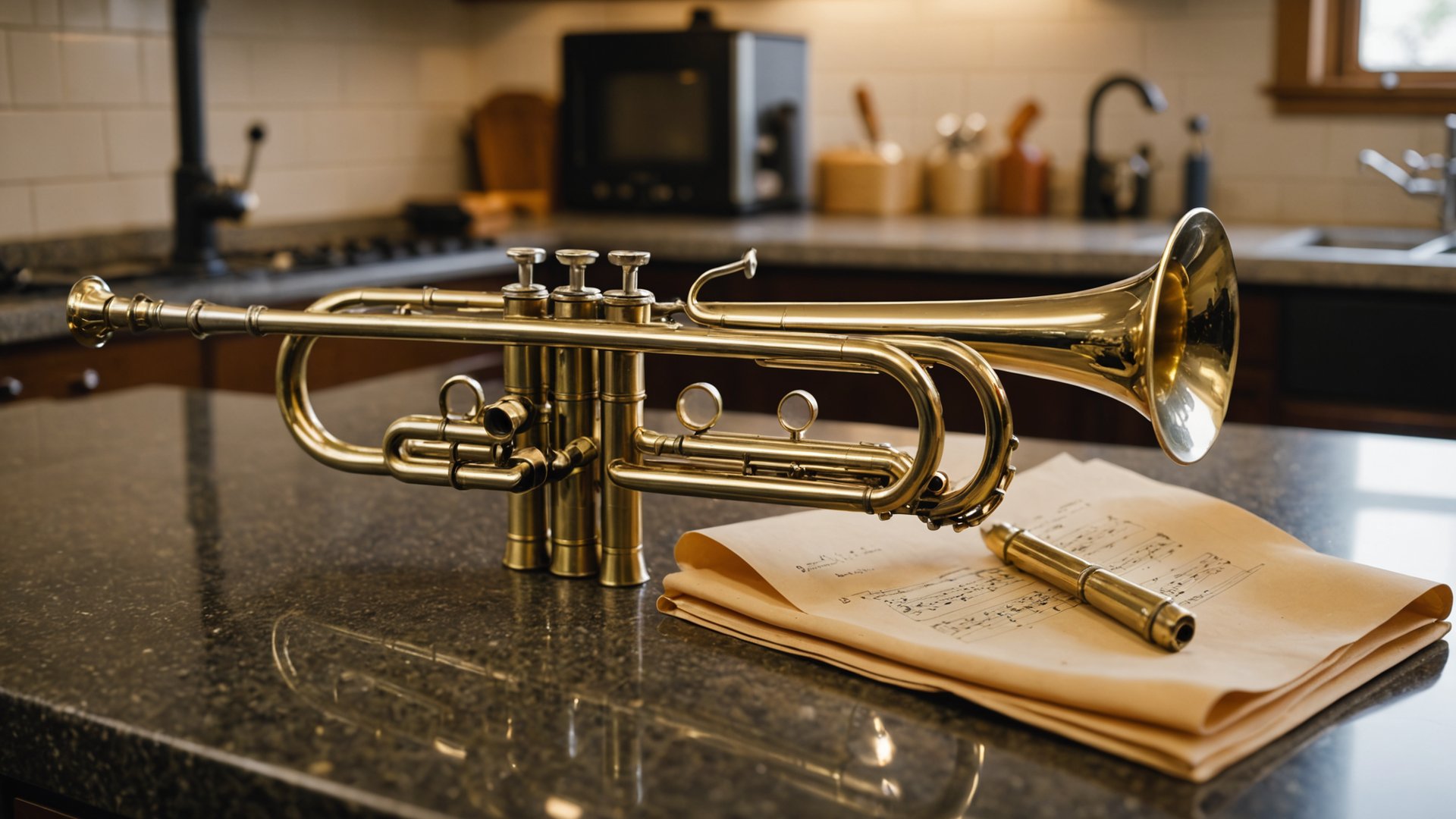
There is a trumpet on the kitchen counter now, and it is being played — sometimes well, sometimes not. The rental does not come with the things that make practice work: a method book that matches the band director, a tuner by the music stand, valve oil that is not the dried tube in the case.
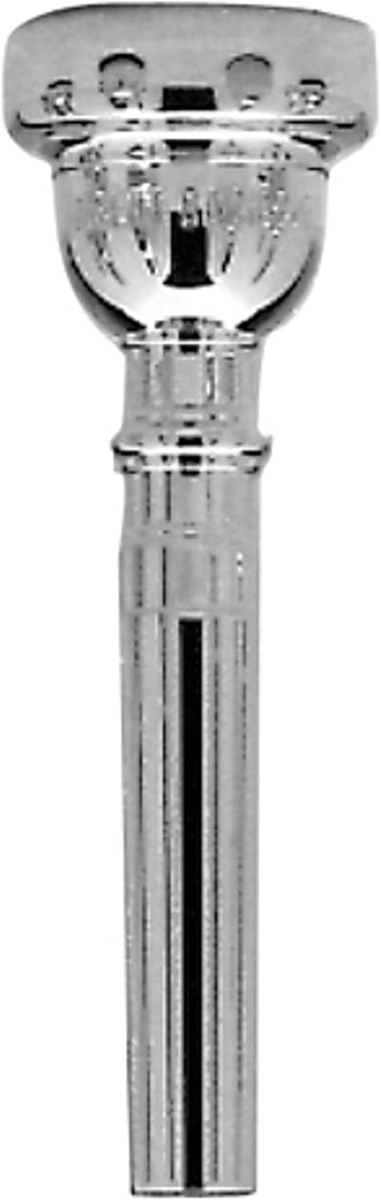
Bach 351 Classic Trumpet Mouthpiece, Silver-Plated, 7C
The mouthpiece every band director has recommended for fifty years. Medium cup, slightly sharper rim — the sixth-grader produces a focused tone without forcing it.
“The one reliable rule of gift-giving: anything that makes them look more serious at what they love will be received with disproportionate gratitude.”

Yamaha Regular Synthetic Trumpet Valve Oil (60 ml)
The dried bottle in the case is six months past useful. Yamaha synthetic does not gum, does not smell, lasts longer than petroleum oils. Decides whether the third valve moves next year.
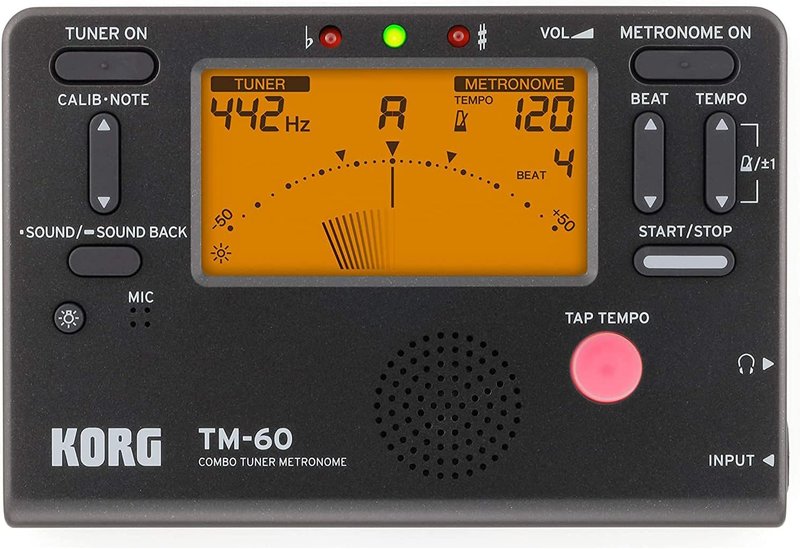
Korg TM-60 Combo Tuner and Metronome (Black)
Runs metronome and chromatic tuner on the same screen, readable at music-stand distance. The phone app the student is using has neither the visual feedback nor the battery life.
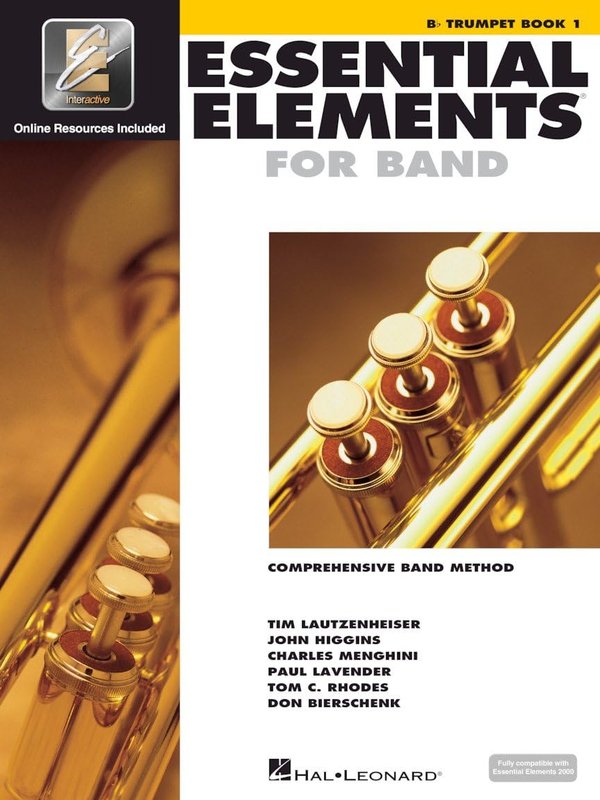
Hal Leonard Essential Elements for Band — Trumpet Book 1 (with EEi Online Resources)
The method book ninety percent of American school bands run in year one. EEi recordings let a sixth-grader play along with the band parts at home — practice that aligns with the band room.
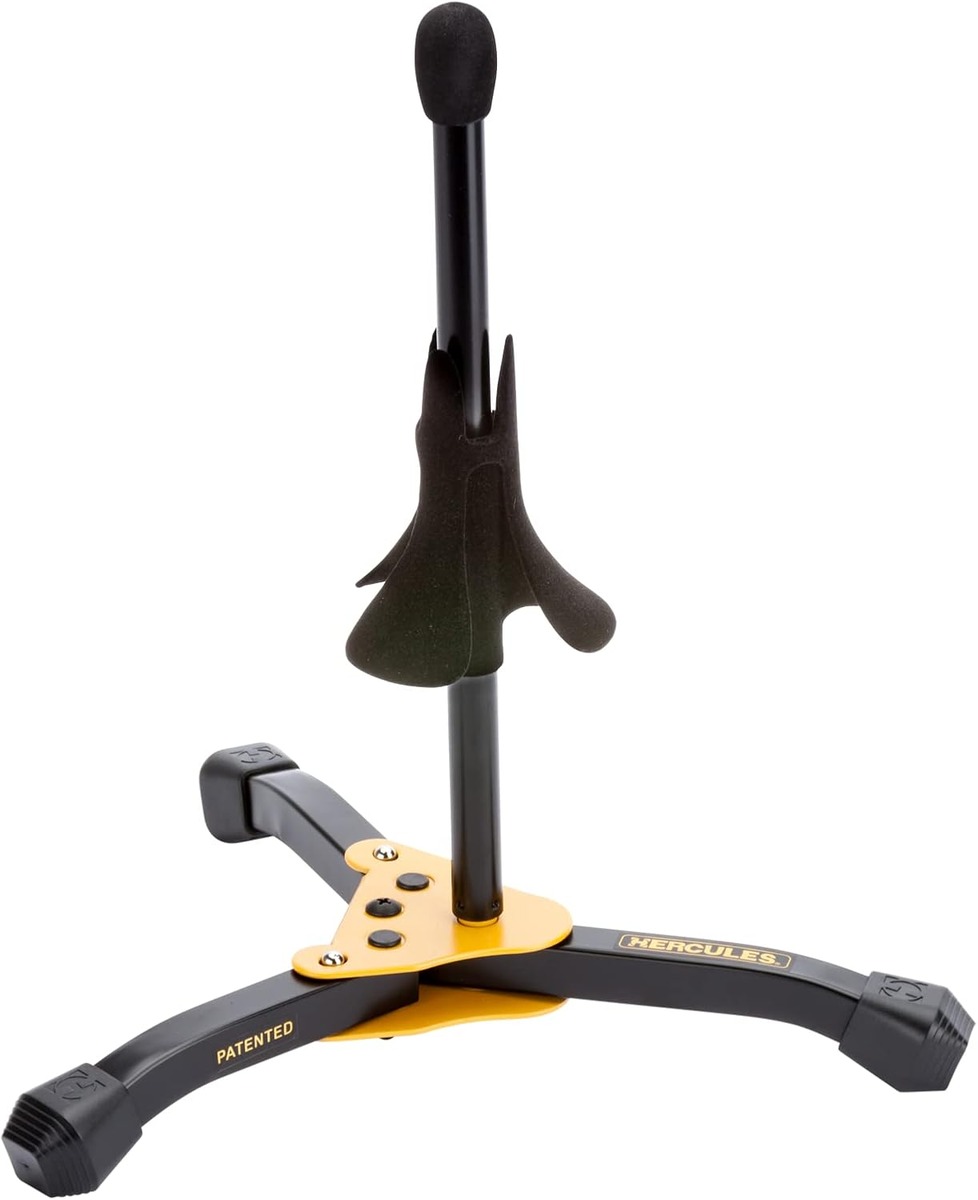
Hercules DS510BB Trumpet Stand with Carry Bag
A trumpet on the kitchen counter is a trumpet that gets played. Velvet-covered legs hold the bell without scratching, folds compact for the band-room locker. Practice-frequency upgrade disguised as furniture.
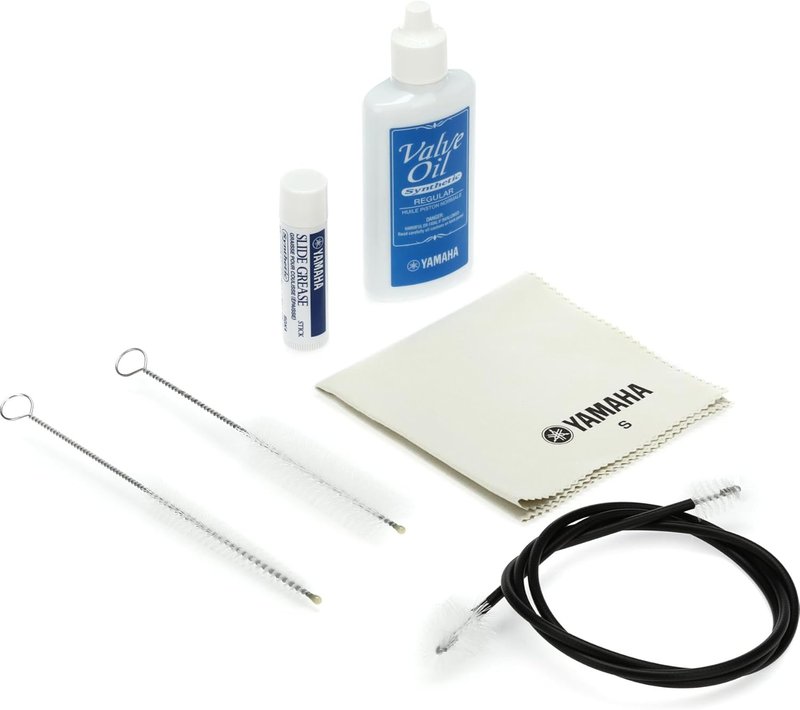
Yamaha Trumpet/Cornet Maintenance Kit (Valve Oil, Slide Grease, Snake Brush, Polishing Cloth)
The full care kit a band director hands a parent at the first conference. Valve oil, slide grease, leadpipe snake, polishing cloth. Keeps a rental playable through the year.
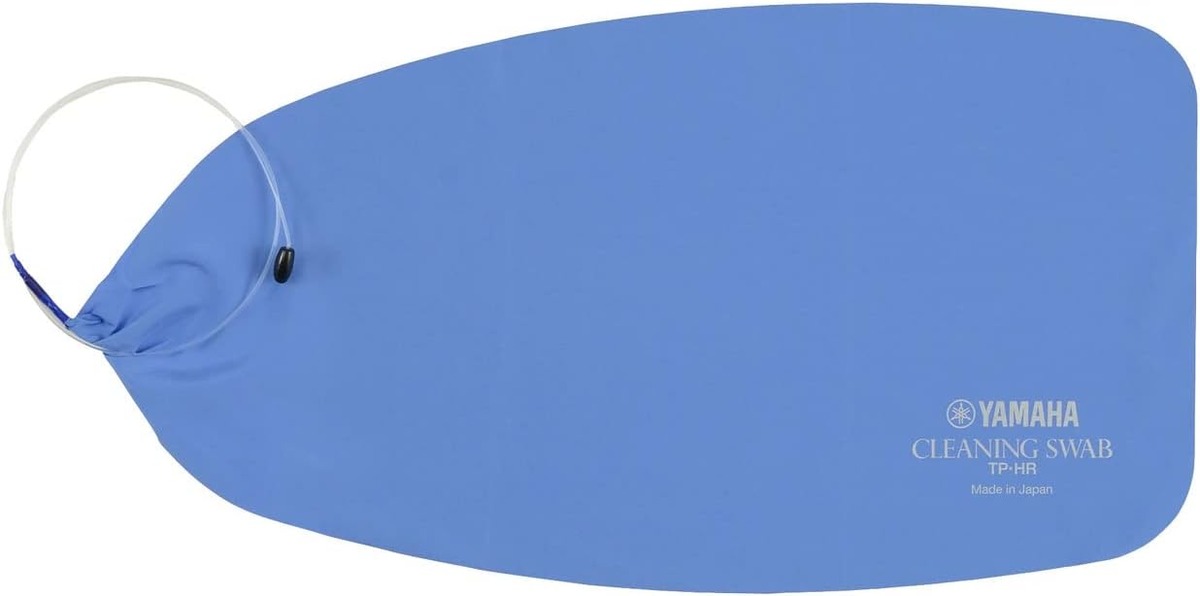
Yamaha Microfiber Brass Instrument Polishing Swab Cloth (Trumpet, Lacquer-Safe)
Microfibre lifts fingerprints off lacquer without polishing through it — what a paper towel and household cleaner will do in a year. The small habit that protects the rental.
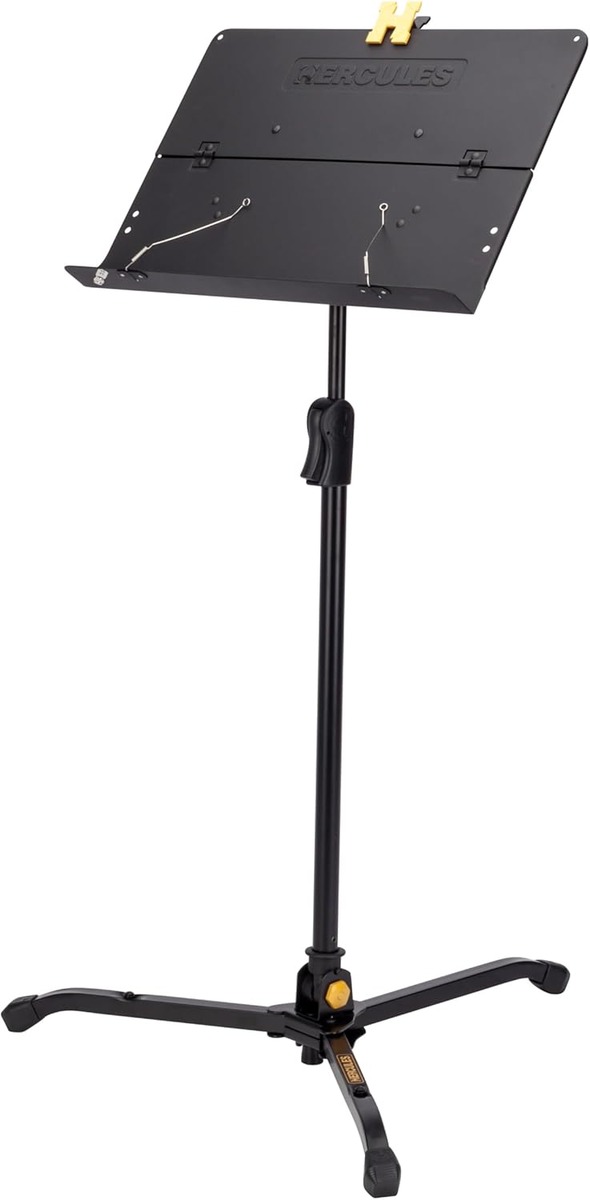
Hercules BS301B Foldable Orchestra Music Stand with EZ Clutch
The wire fold-up stand the school sends home falls over. The Hercules has a solid desk, weighted base, and page clips so a kitchen breeze does not flip pages mid-scale.
Fork it. Make it yours. Share before their birthday.
Friends claim items. No duplicates. No awkward conversations.