G-C-E-A and Beyond: Gear for the Serious Ukulele Player
For the ukulele player who has moved past Riptide and wants proper accessories, a quality tuner, and reasons to keep practicing

D'Addario EJ87C Titanium Ukulele Strings — Concert
D'Addario titanium strings are the community's go-to upgrade from factory-stock strings — they have a warmer, more complex tone than nylon, better tuning stability than Aquila Nylgut, and a consistent response across the fretboard. Swapping factory strings for quality titanium sets is the first thing the r/ukulele community recommends when a new uke 'doesn't sound good.'
“The one reliable rule of gift-giving: anything that makes them look more serious at what they love will be received with disproportionate gratitude.”
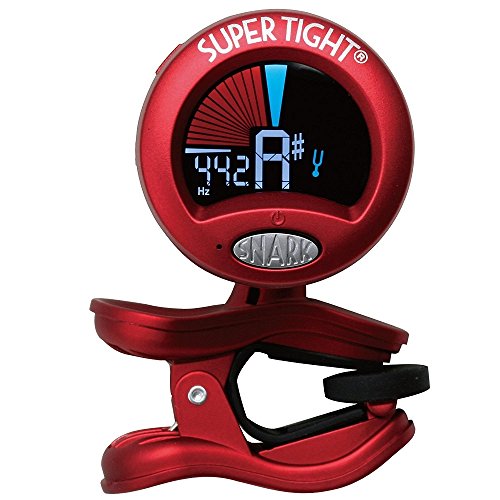
Snark SN-1 Chromatic Clip-On Tuner for Ukulele
A clip-on chromatic tuner that reads re-entrant G-C-E-A accurately is essential for a ukulele player — the string gauges are light enough that visual feedback from a display is more reliable than tuning by ear from ambient room noise. Snark's SN-1 reads clearly in bright light and has a full chromatic mode so it works on any retuning experiments.

Kala KA-TE Tenor Ukulele with Electronics
The Kala KA-TE is the consistently-recommended step-up ukulele for players who have graduated from a soprano starter and want the longer tenor scale (17 inches versus 13 for soprano) that gives more fret spacing for chord melody and single-note work. The built-in EQ makes it immediately playable through a PA without a clip-on pickup.

Freebo Ukulele Strap — Padded Fabric with Soundhole Hook
A strap designed for ukulele uses a soundhole hook rather than strap buttons (which most ukes don't have), and padded fabric keeps the instrument from swinging during standing performances or chord melody playing that requires the fretting hand off the body. The ukulele community adopted the soundhole hook method as the standard strap attachment.

Ukulele Aerobics: For All Levels, From Beginner to Advanced by Chad Johnson
Ukulele Aerobics is the technique-development book the ukulele community turns to after the initial chord-strumming phase — it covers fingerpicking patterns, chord melody basics, barre chords in all positions, and develops real left-hand technique. 'Aerobics' is accurate: it's organized as daily workout routines with clear progressive structure.

Fred Sokolow's Complete Ukulele Method, Complete Edition
Fred Sokolow's method covers standard and chord-melody techniques across all styles — jazz, Hawaiian, folk — in a format that works for self-teaching without a formal teacher. It uses TAB alongside standard notation, which is how most ukulele players actually read music, and the audio tracks are quality recordings of the examples rather than low-budget MIDI.
Fork it. Make it yours. Share before their birthday.
Friends claim items. No duplicates. No awkward conversations.


