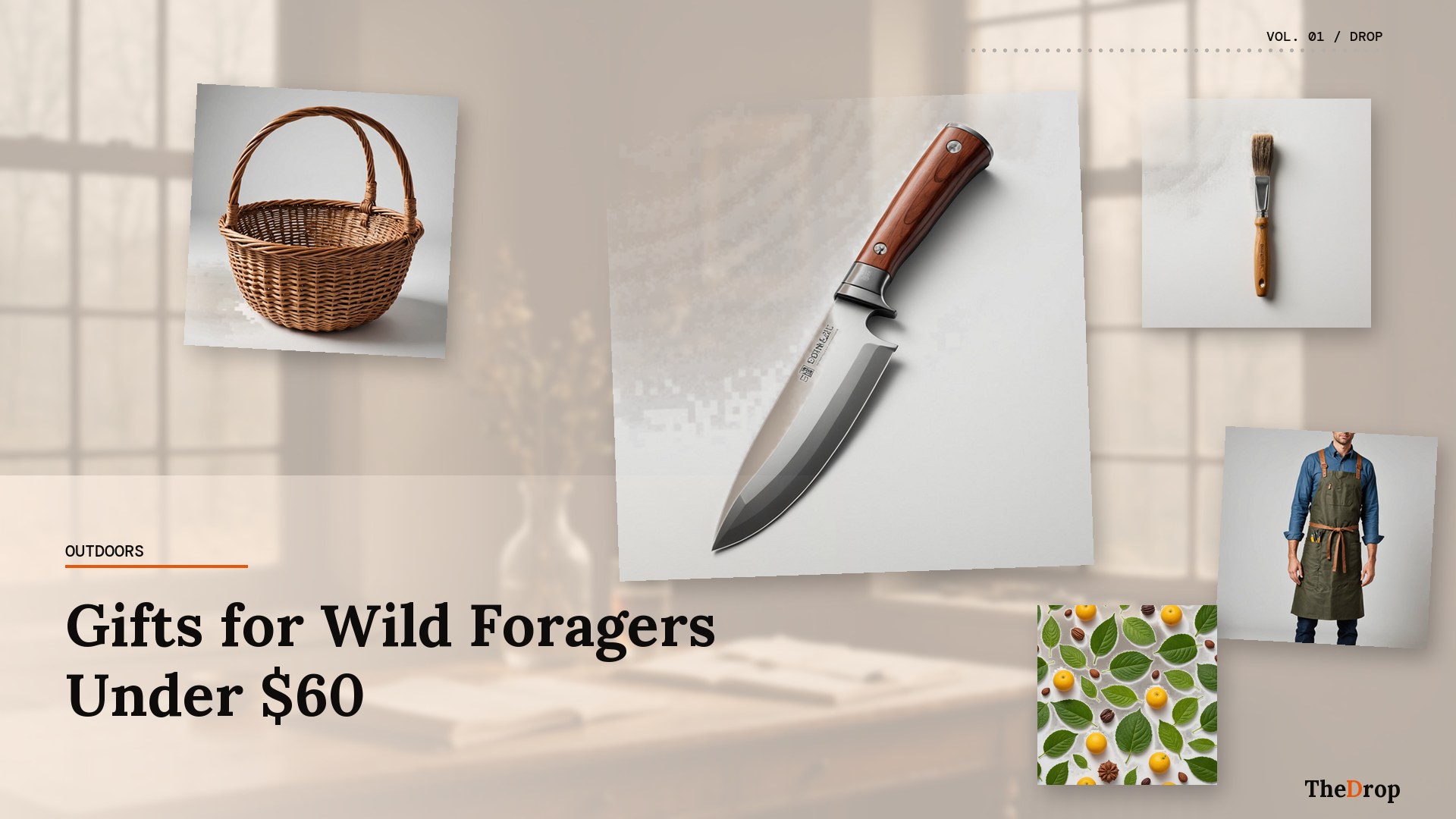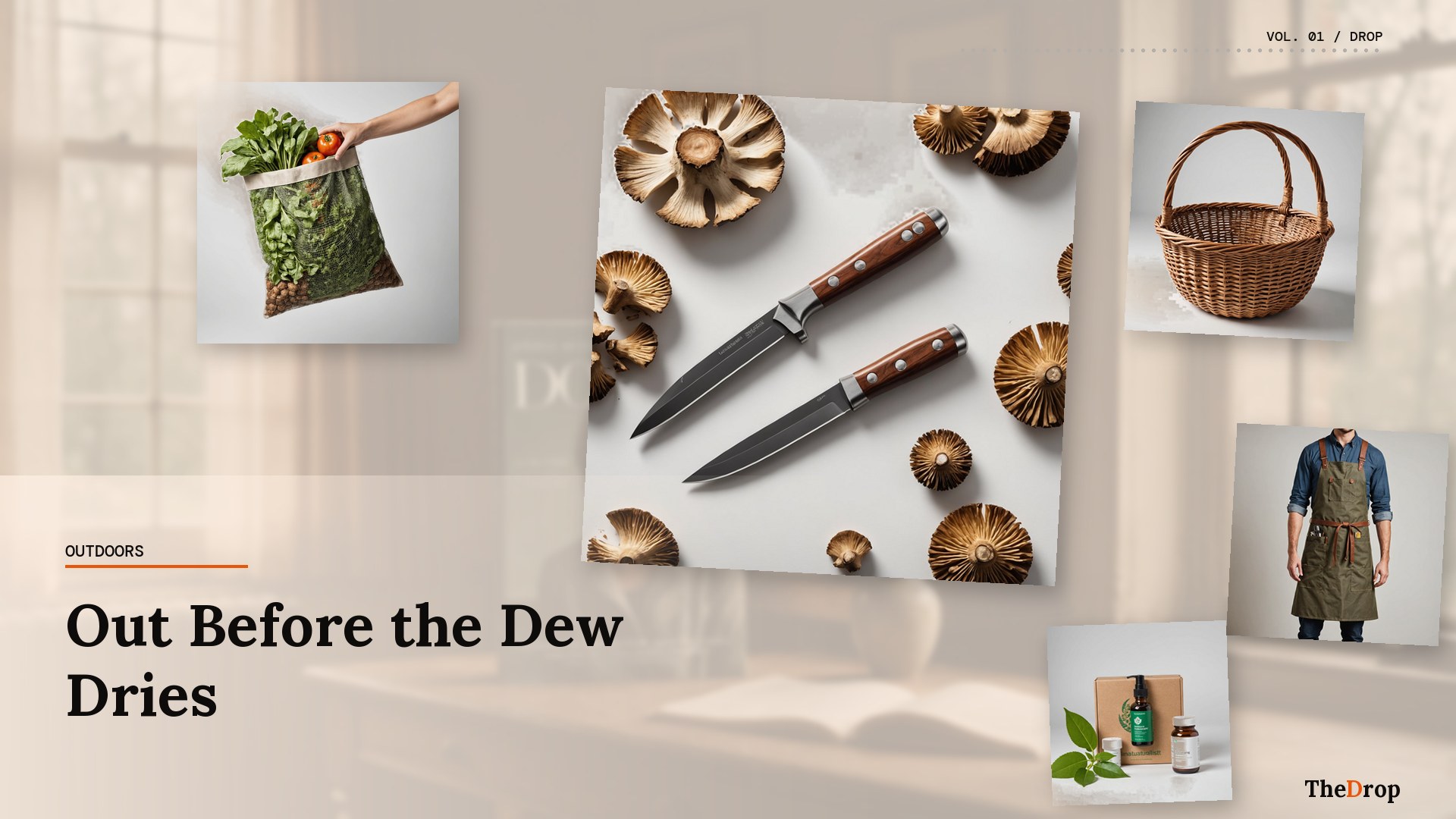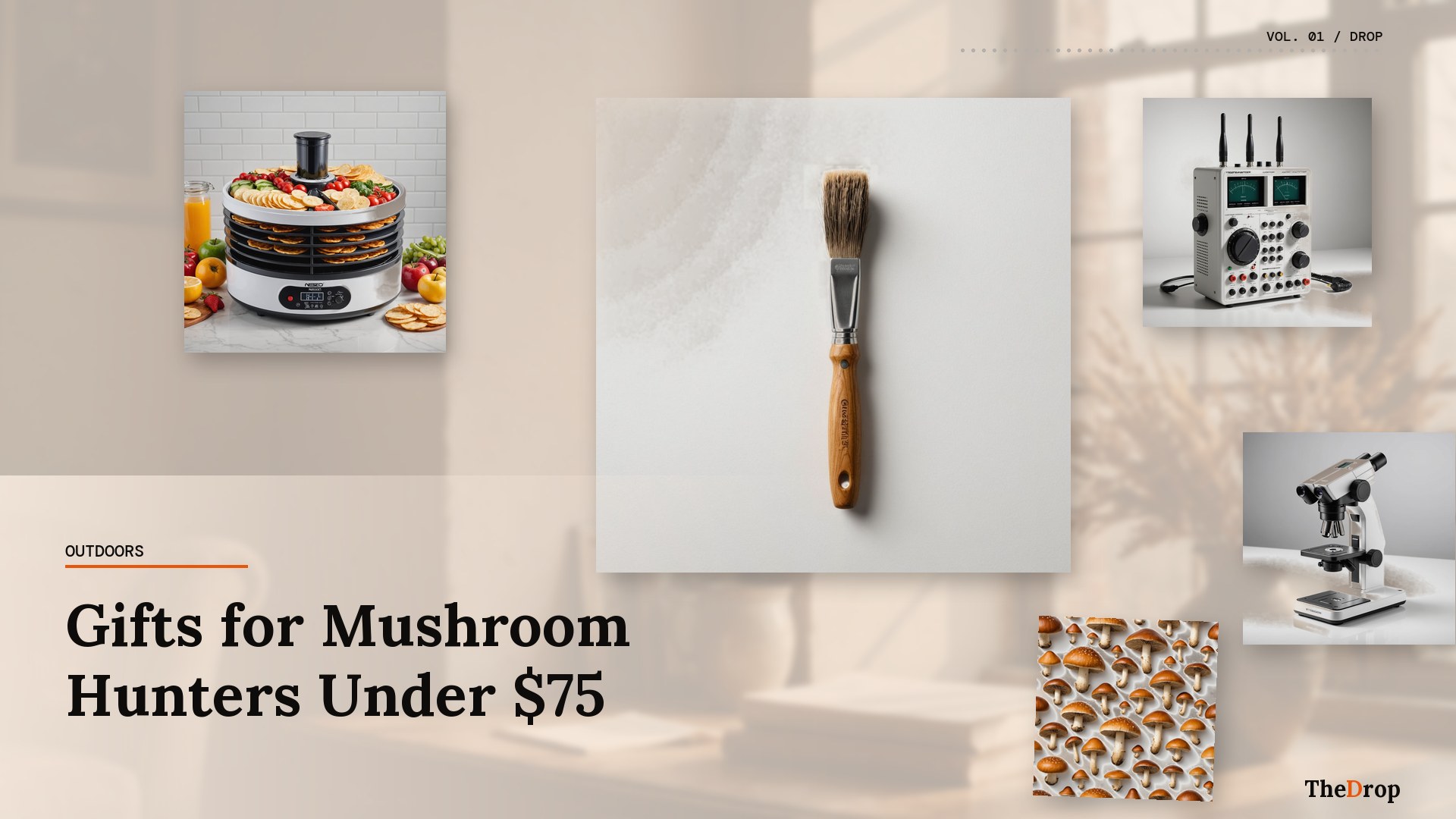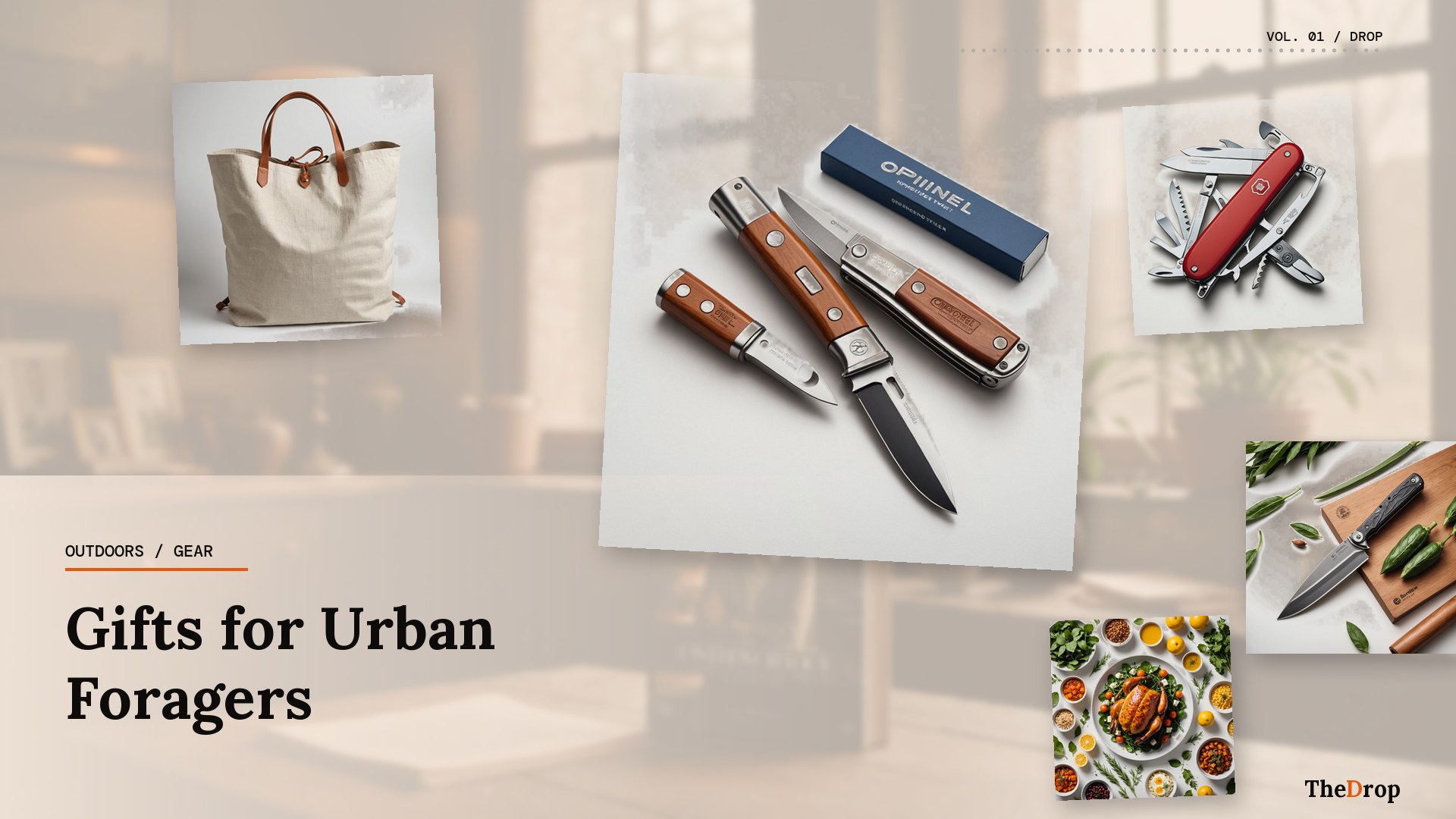
Gifts for Urban Foragers
Urban foraging is equal parts local botany, neighborhood exploration, and quiet subversion — finding food where the city forgot it. The best gear here is light enough for a bike commute, specific enough to be useful, and grounded in genuine field experience rather than Pinterest aesthetics.
Forage, Harvest, Feast: A Wild-Inspired Cuisine
Not just an ID guide — a cookbook built around what you actually find foraging. Marie Viljoen's urban-focus makes this one genuinely useful for city-based foragers.
“The one reliable rule of gift-giving: anything that makes them look more serious at what they love will be received with disproportionate gratitude.”
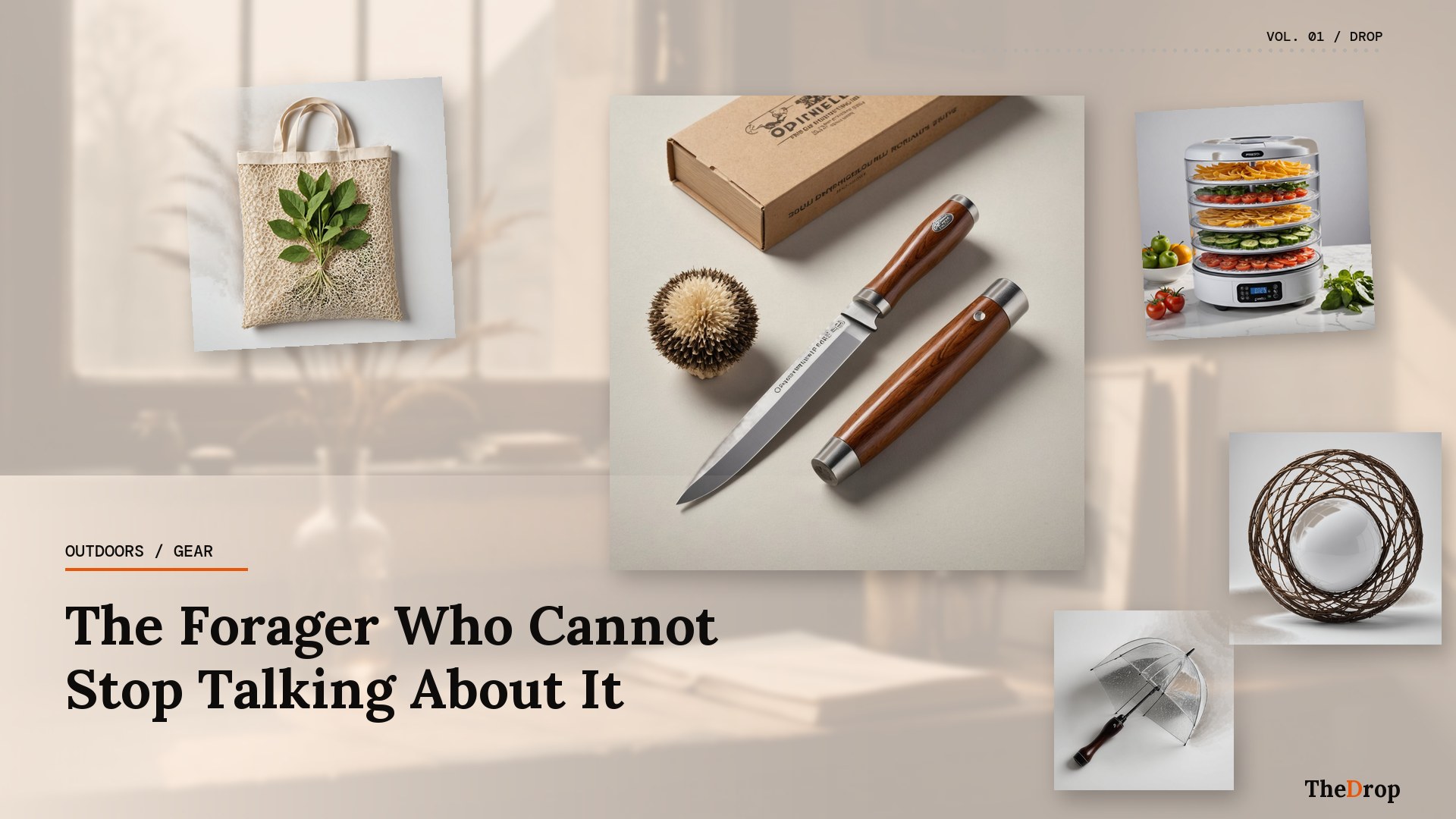
Opinel No.8 Carbon Steel Folding Knife
The Opinel is the classic forager's knife — thin blade, clean edge, slip-joint lock, and a beech handle that looks like it belongs outdoors. Holds an edge longer than stainless for field trimming.
iNaturalist Field Guide: North America Wildflowers
Cross-reference finds with an app and a physical guide. iNaturalist integration makes uncertain IDs shareable with experts in minutes.
Linen Harvest Tote Bag with Drawstring
Natural fiber mesh bags let seeds drop and air circulate, keeping greens fresh on the walk home. Better than a plastic grocery bag for everything you'd want to eat.
Peterson Field Guides: Eastern/Central Edible Wild Plants
The Peterson guides have been the gold standard since 1977. Line-illustration style makes structural ID faster than photos in variable urban lighting.
Victorinox Swiss Army Forester Pocket Knife
The Forester adds a wood saw to the standard EDC loadout — handy for branches, bark samples, and mushroom stems that don't clean-cut easily.
Barebones Living Wild Harvest Knife
A longer blade than the Opinel with a comfortable grip for all-day carry. The leather sheath is made to clip to a pack strap so it's there when you need it.
Ziplock Reusable Silicone Food Bags - 4 Pack
Keep individual finds separated, labeled, and airtight for the walk back. Reusable silicone over single-use plastic is the obvious choice for someone already food-foraging.
Fork it. Make it yours. Share before their birthday.
Friends claim items. No duplicates. No awkward conversations.