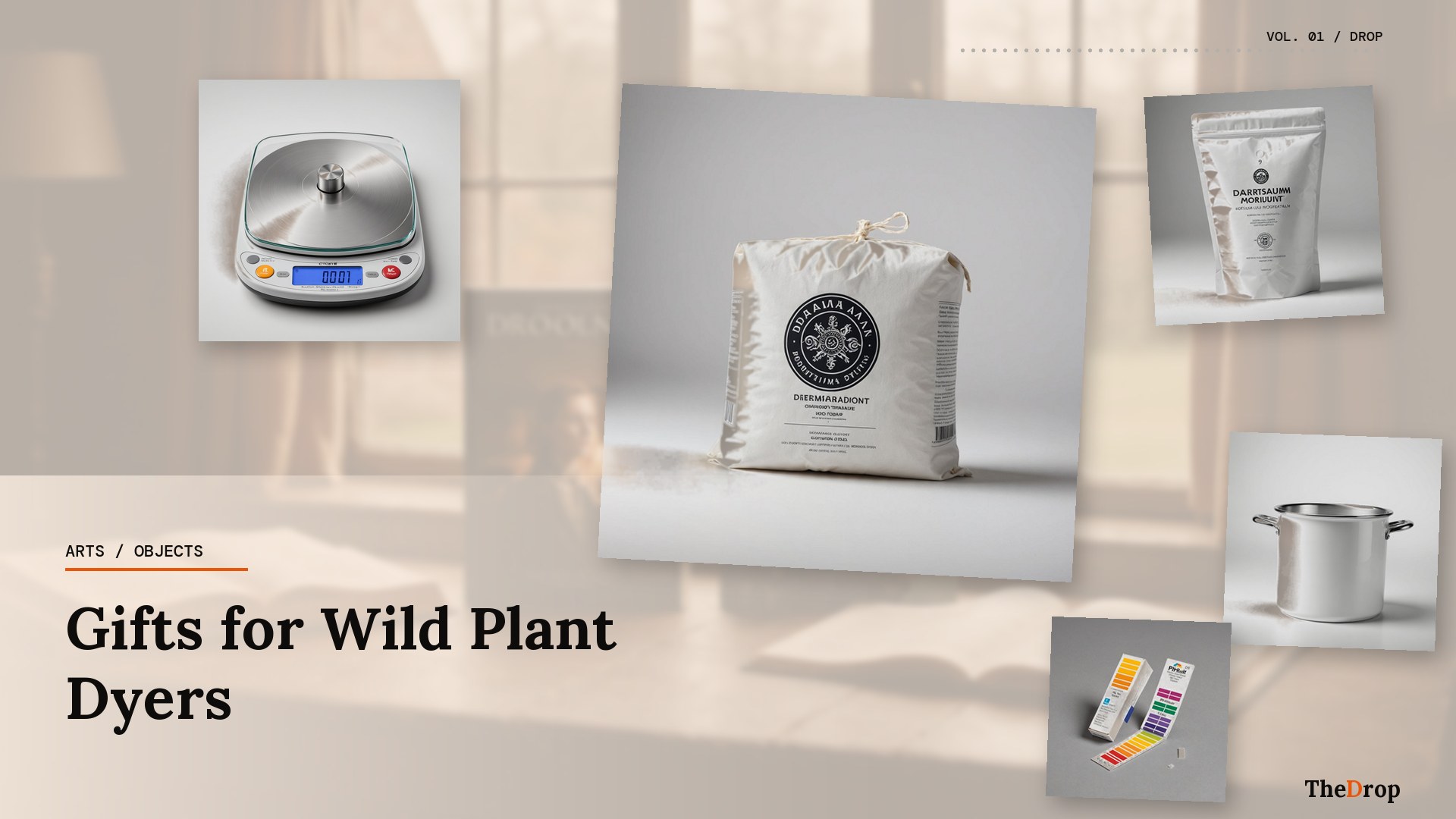
Gifts for Wild Plant Dyers
Wild plant dyeing is part foraging, part chemistry, part textile art — a practice that connects the dye pot directly to the landscape outside. Practitioners are patient, methodical about mordant ratios, and deeply invested in understanding why weld gives a different yellow than goldenrod. The best gifts here support that rigor without interrupting the wandering that makes the practice what it is.
Dharma Trading Potassium Alum Mordant - 1 lb
Alum is the foundational mordant for plant-based dyeing — brightens most natural colors, relatively safe to handle, and compatible with wool, silk, and cellulose fibers. A pound covers dozens of small dye baths.
“The one reliable rule of gift-giving: anything that makes them look more serious at what they love will be received with disproportionate gratitude.”
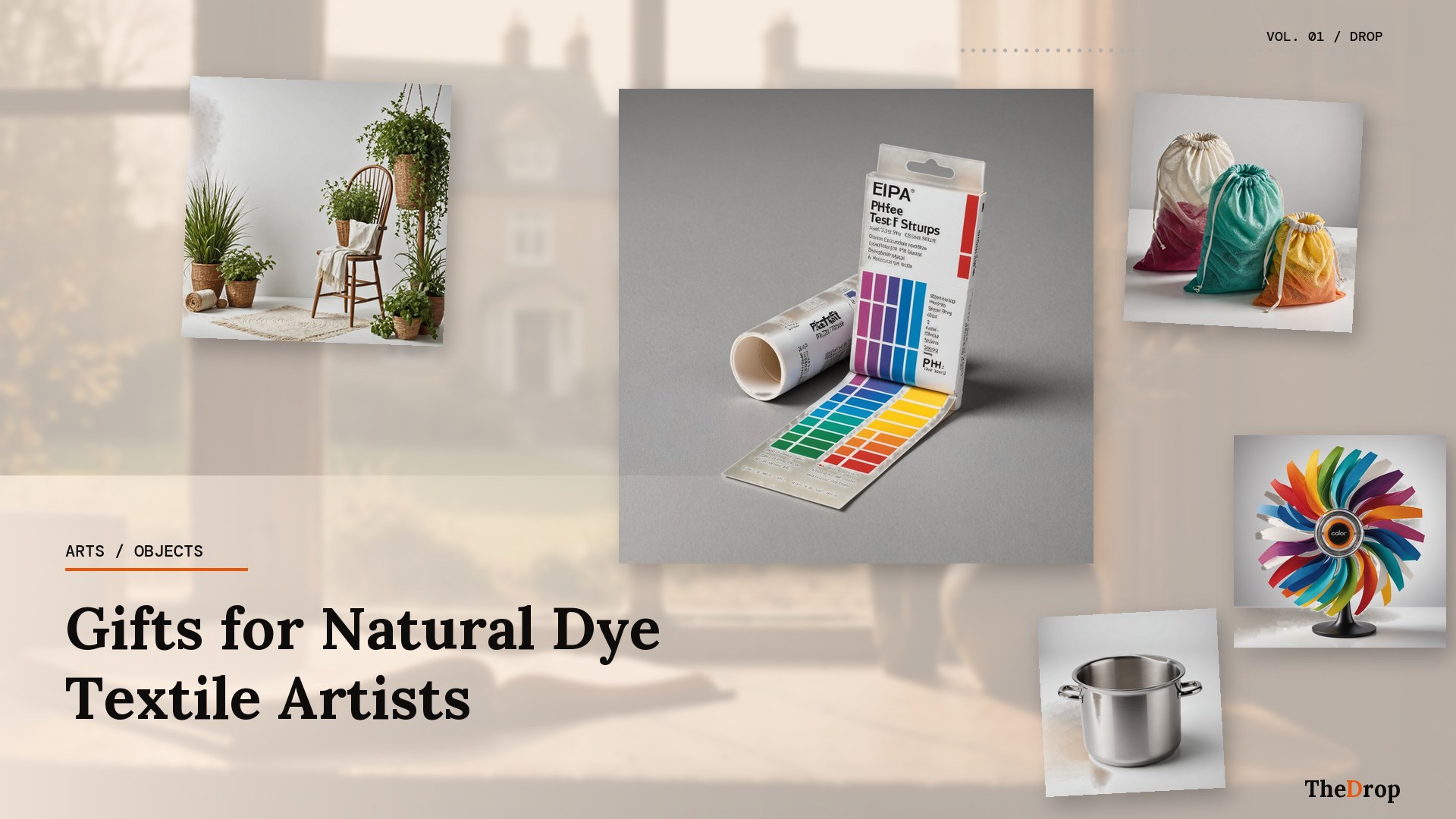
Aluminum Enamel Dye Pot - 5 Quart
A dedicated dye pot kept separate from cooking vessels is the first rule of home natural dyeing. Enamel doesn't react with mordants and cleans completely between color sessions.
Wild Color: The Complete Guide to Making and Using Natural Dyes - Jenny Dean
The most comprehensive practical guide to plant dyeing in print — dye plant by dye plant, mordant by mordant, with the kind of detail that makes results repeatable rather than accidental.
pH Test Strips 1-14 Range - 100 Count
pH shifts the color outcome in many natural dye baths — iron modifiers go cooler, acid afterbaths brighten. Strips make bath chemistry legible without a meter.
Dharma Trading Iron Mordant (Ferrous Sulfate) - 1 lb
Iron is the classic dye modifier — saddens and shifts colors toward grey-green, deepens tannin-rich baths, and creates contrast in over-dyed work. A small amount goes a long way.
Precision Scale Digital - 0.1g Accuracy
Mordant ratios in natural dyeing are expressed as % WOF (weight of fiber). Getting repeatable colors means weighing fiber and mordant accurately — a kitchen spoon doesn't cut it.
Muslin Dye Bags - 6x8 Inch 10-Pack
Containing loose plant material in a muslin bag makes exhausting a dye bath cleaner and keeps bark, berries, and roots from tangling with fiber during the heating phase.
The Modern Natural Dyer - Kristine Vejar
A complementary volume to Wild Color — Vejar's approach is more contemporary and process-focused, with better coverage of indigo fermentation and overdye sequences for complex color work.
Fork it. Make it yours. Share before their birthday.
Friends claim items. No duplicates. No awkward conversations.