A Half-Gallon of Scotch Bonnets, Bubbling
She made kraut for a year, then giardiniera, then tepache. Now there is a half-gallon jar of mashed scotch bonnets bubbling on the counter and the kitchen smells like a Caribbean kitchen. The gifts that matter are the ones that turn a good mash into a bottled sauce someone else will drink.
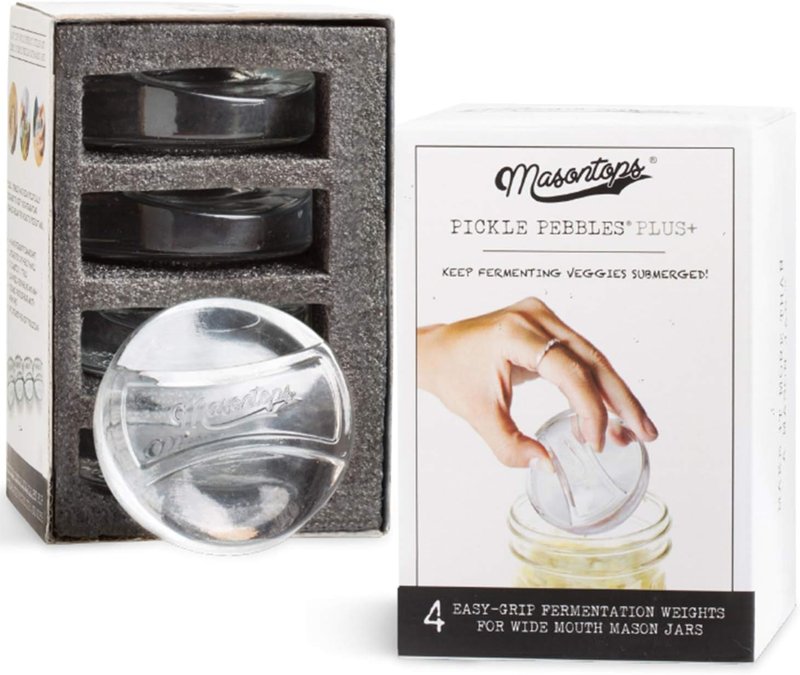
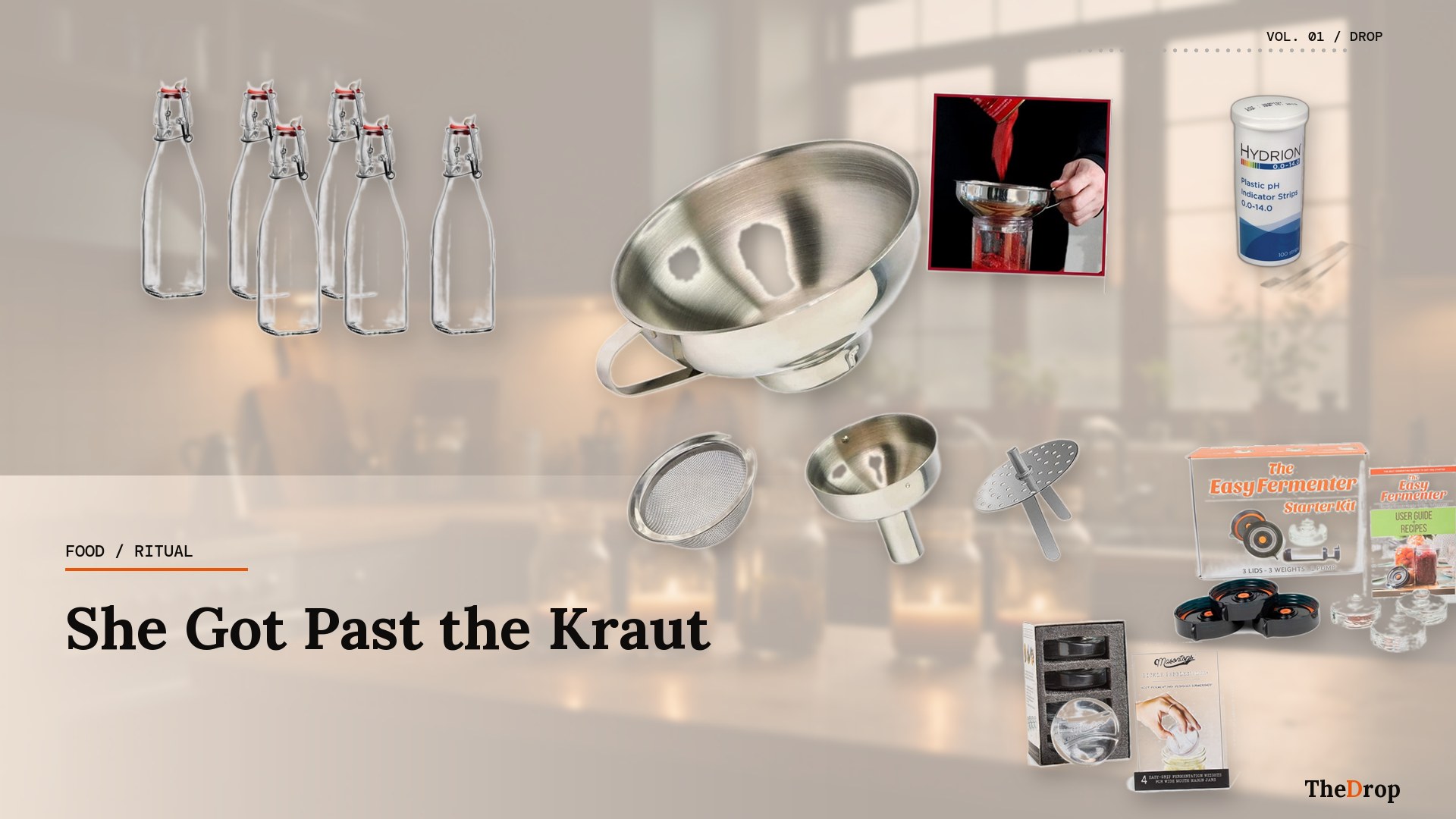
Masontops Pickle Pebble Glass Fermentation Weights (Wide-Mouth)
Pepper mash floats. Without weight on top, the surface oxidises and a kahm yeast film blooms by day five. Glass weights, food-safe, hand-washed — the cheapest insurance a fermenter buys.
“The one reliable rule of gift-giving: anything that makes them look more serious at what they love will be received with disproportionate gratitude.”
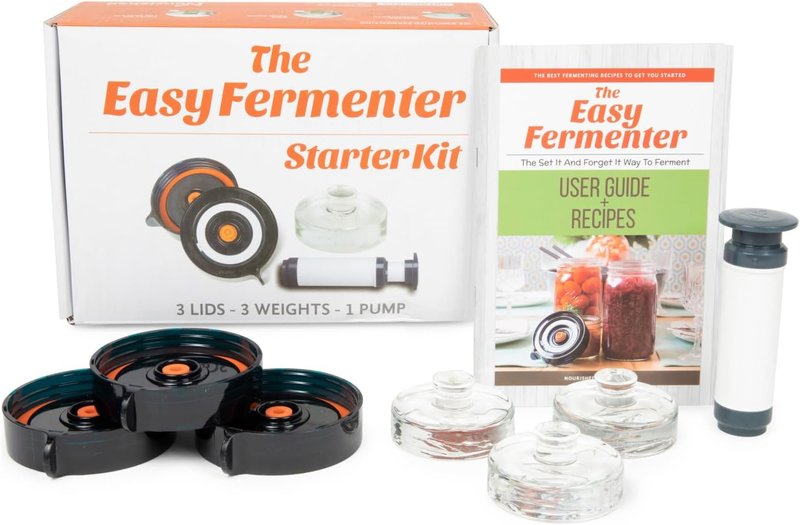
Easy Fermenter Wide Mouth Lid Kit (3 Lids + 3 Weights + Pump)
One-way airlocks turn any wide-mouth Mason into a fermentation vessel. CO2 escapes, oxygen does not, the daily 'burp the jar' ritual is over. The kit chiliheads recommend.
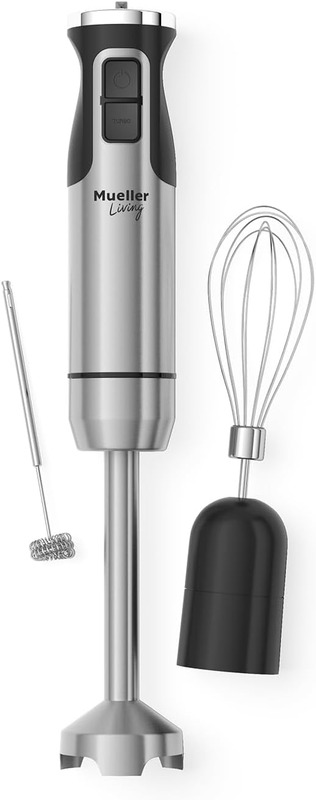
Mueller Ultra-Stick 500W 9-Speed Immersion Hand Blender
A standard blender will not get pepper mash smooth. The Mueller is the immersion stick hot-sauce makers run — stainless wand, eight speeds, third the price of European brands.
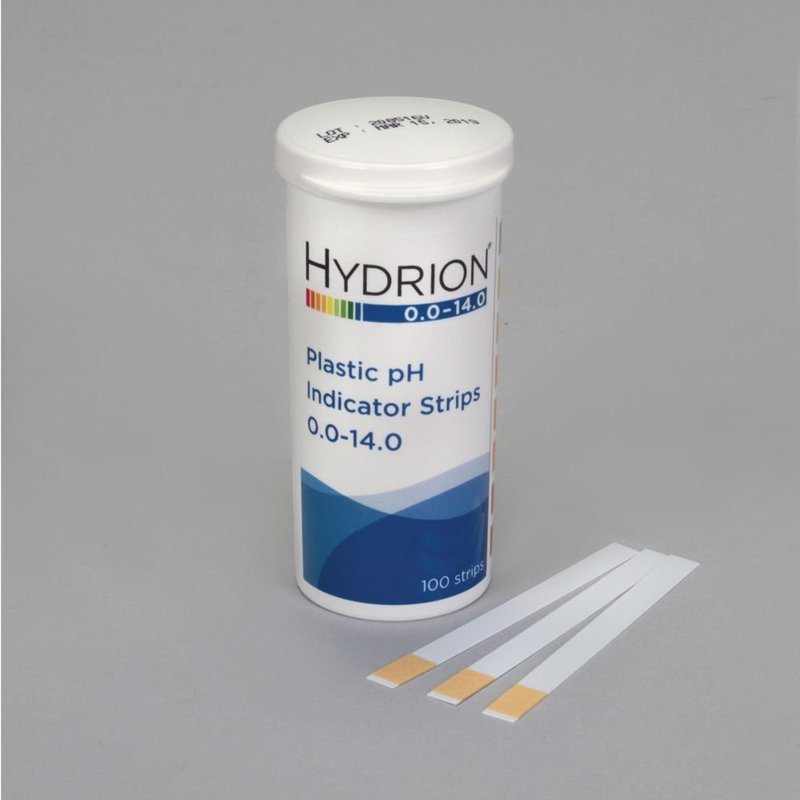
Hydrion Spectral pH Test Strips (0.0-14.0, 100 strips)
Below pH 4.0 the sauce is shelf-stable; above, a fridge gift turns into a botulism risk. A roll of strips at the bottling station is what makes a give-away safe.
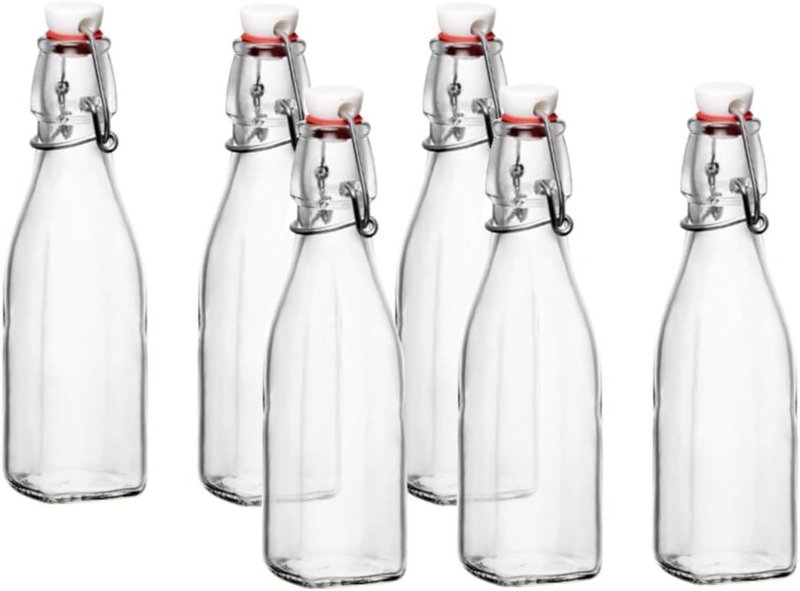
Bormioli Rocco Swing Top Glass Bottles (8.5oz, Set of 6)
The bottle the sauce ends up in matters. Italian glass, long neck, a clean closure — the form chiliheads photograph for the label. Eight ounces is the give-away size.
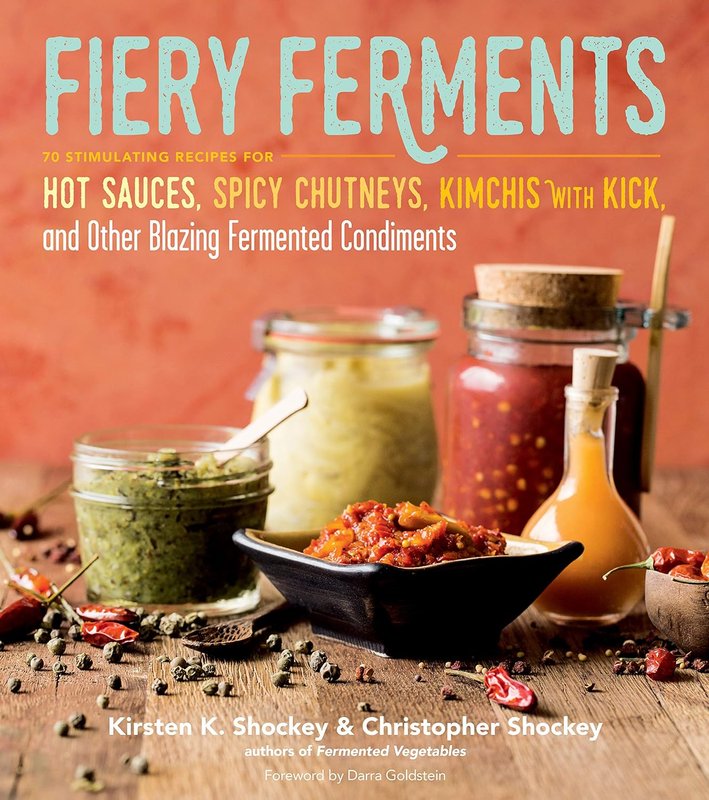
Fiery Ferments: 70 Stimulating Recipes for Hot Sauces, Spicy Chutneys, Kimchis with Kick (Shockey)
Shockey wrote the book serious fermenters keep on the counter. Seventy recipes, the science of salt-and-time, and the troubleshooting chapter that answers 'why does my mash smell wrong'.
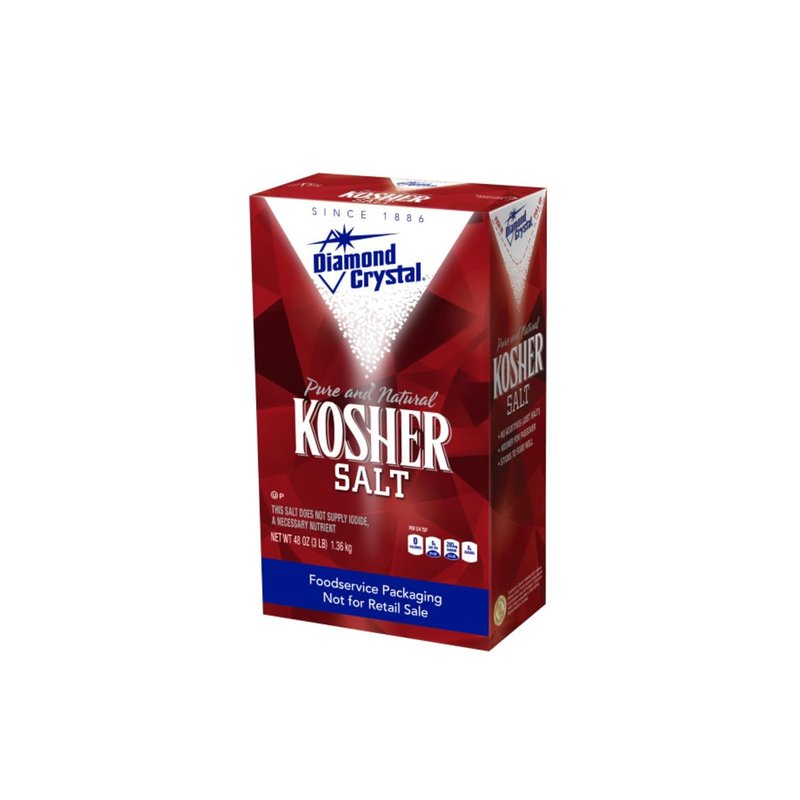
Diamond Crystal Kosher Salt (3lb Restaurant Pack)
Iodised salt kills the lactobacillus the ferment relies on. Diamond Crystal kosher is the additive-free, no-anti-caking-agent salt every fermentation book specifies — the three-pound box lasts a year of mashes.
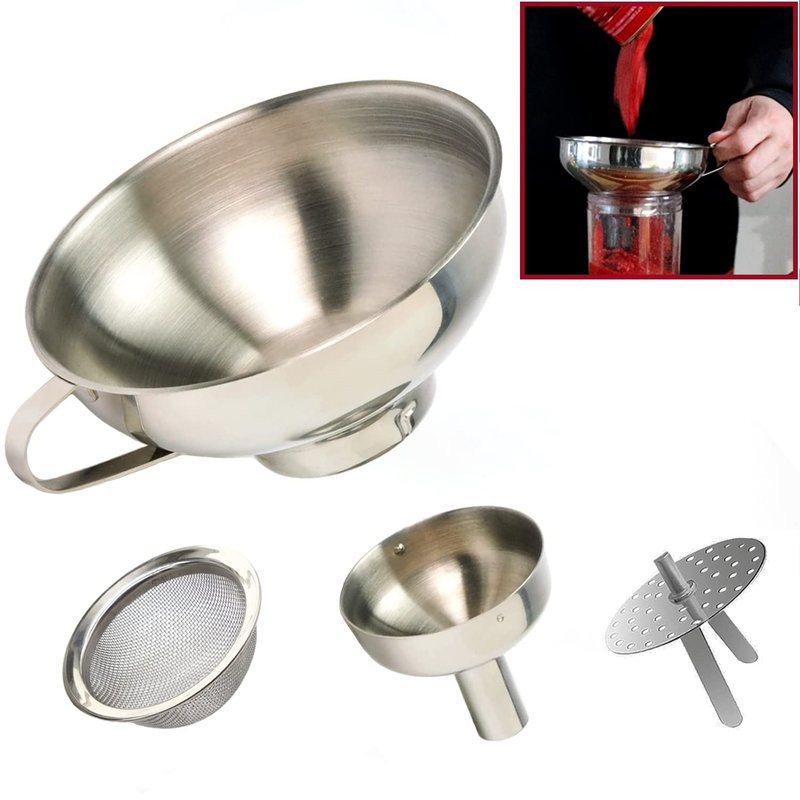
KEISSCO Stainless Steel 4-Piece Funnel and Strainer Set (Wide and Narrow)
Filling a five-ounce bottle from a quart jar is the messiest part. A wide-to-narrow stainless funnel set turns the bottling table into a clean line — the kitchen towels survive.
Fork it. Make it yours. Share before their birthday.
Friends claim items. No duplicates. No awkward conversations.