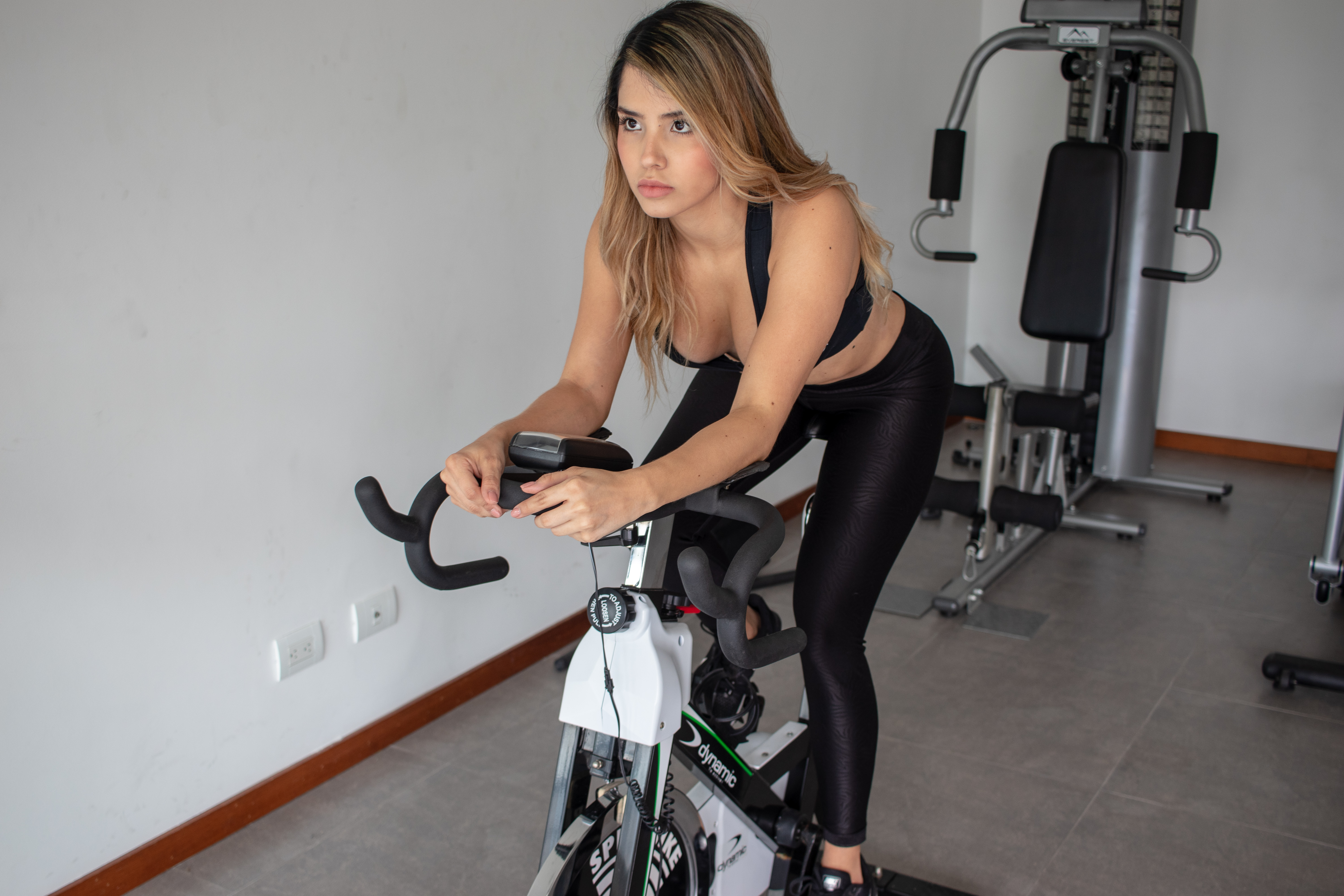
The Kickr Arrived in November
He bought the Kickr Core in November and joined Zwift the same week. By January the cadence sensor had paired, by February the FTP test had hurt, and by April the gear that actually matters is the second set of bib shorts and the fan that keeps the basement bearable.
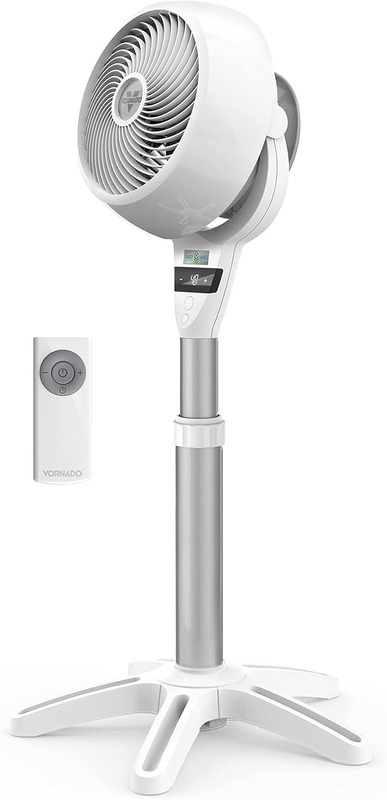
Vornado 6803DC Energy Smart Pedestal Air Circulator Fan
The Wahoo Headwind costs three hundred and does the same job. A high-CFM circulator pointed at the chest is the single biggest comfort upgrade indoor riding has.
“The one reliable rule of gift-giving: anything that makes them look more serious at what they love will be received with disproportionate gratitude.”
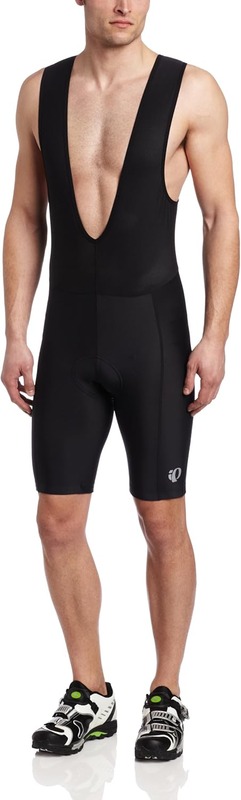
Pearl Izumi Men's Quest Bib Short
The second pair is the gift, not the first. Indoor riding wrecks a chamois — sweat and wash kills foam fast. Two pairs in rotation lasts the year.
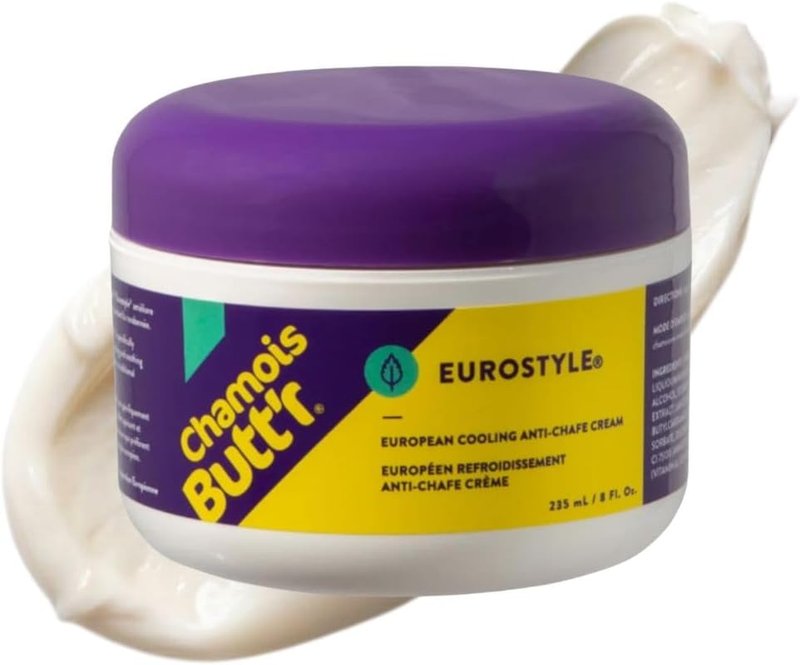
Chamois Butt'r Eurostyle Anti-Chafe Cream (8oz Jar)
He is rationing the small tube. The eight-ounce jar lasts six months of indoor riding and the eucalyptus-mint version actually feels cooling on hour two of a Zwift race.
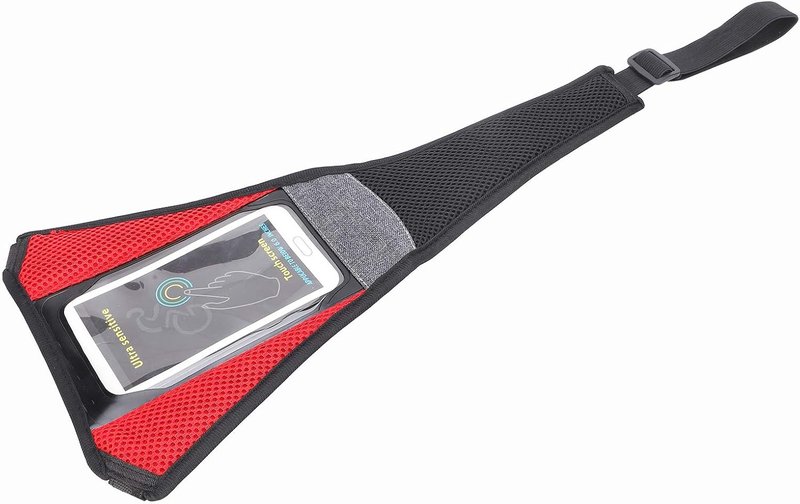
Bike Frame Sweat Guard for Indoor Cycling (Frame Net Cover)
The bike is rusting where bars meet stem. A trainer towel drapes the top tube, catches everything, throws in the wash. Replacing a stem to sweat is a rookie mistake.
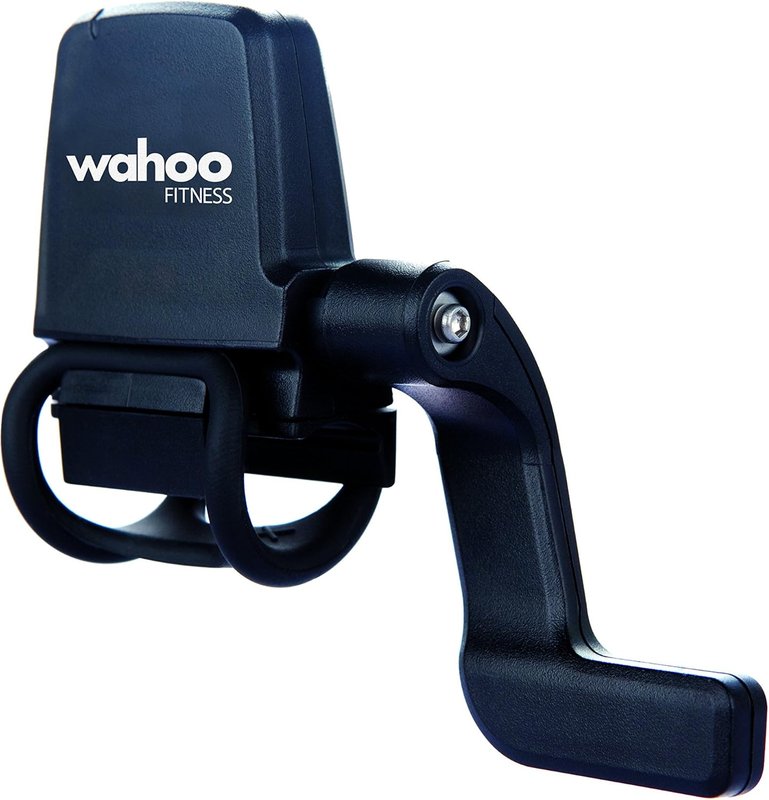
Wahoo Blue SC Cycling Speed and Cadence Sensor (Bluetooth + ANT+)
The trainer broadcasts power; the cadence sensor reads pedal stroke. A Wahoo cadence pair adds high-cadence drills inside Zwift — the workout that adds free watts to FTP.
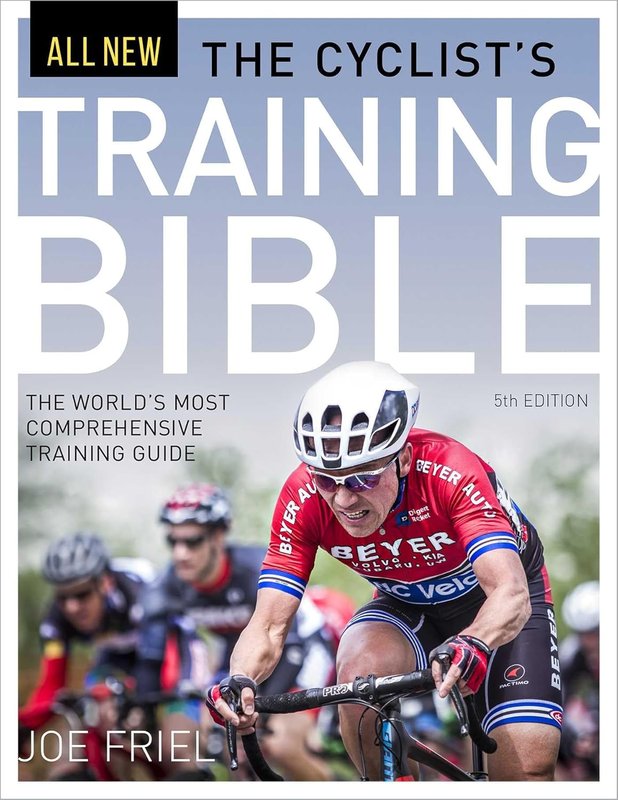
The Cyclist's Training Bible (Joe Friel, 5th Edition)
Joe Friel is the coach who taught the coaches. The fifth edition is the structured-training framework Zwift skims — periodisation, FTP testing, the year laid out in twelve-week blocks.
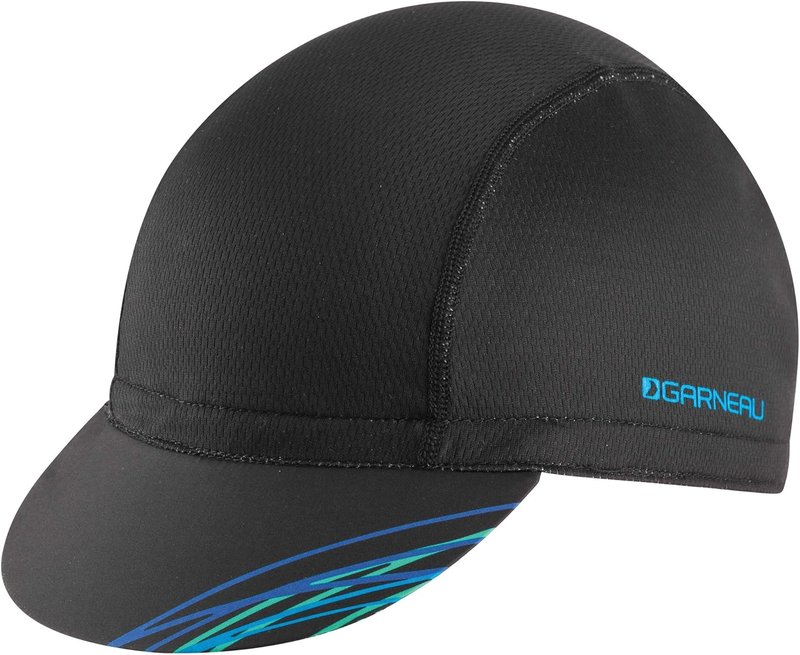
Louis Garneau Course Vent Cycling Cap
Sweat off the brow before it hits the eyes. The cycling cap is the unglamorous hour-three rescue — pull it down, stop wiping, finish the workout. Headwear works inside.
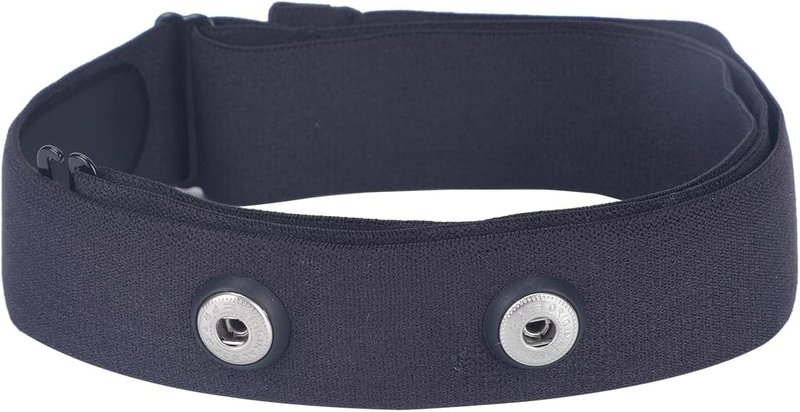
Polar H10 Heart Rate Monitor (Chest Strap, ANT+ + Bluetooth, New)
Optical wrist HR is wrong on a bike. The H10 is the chest strap every coach insists on — sub-second response, dual Bluetooth-and-ANT+ broadcast, the lab-reference accuracy.
Fork it. Make it yours. Share before their birthday.
Friends claim items. No duplicates. No awkward conversations.