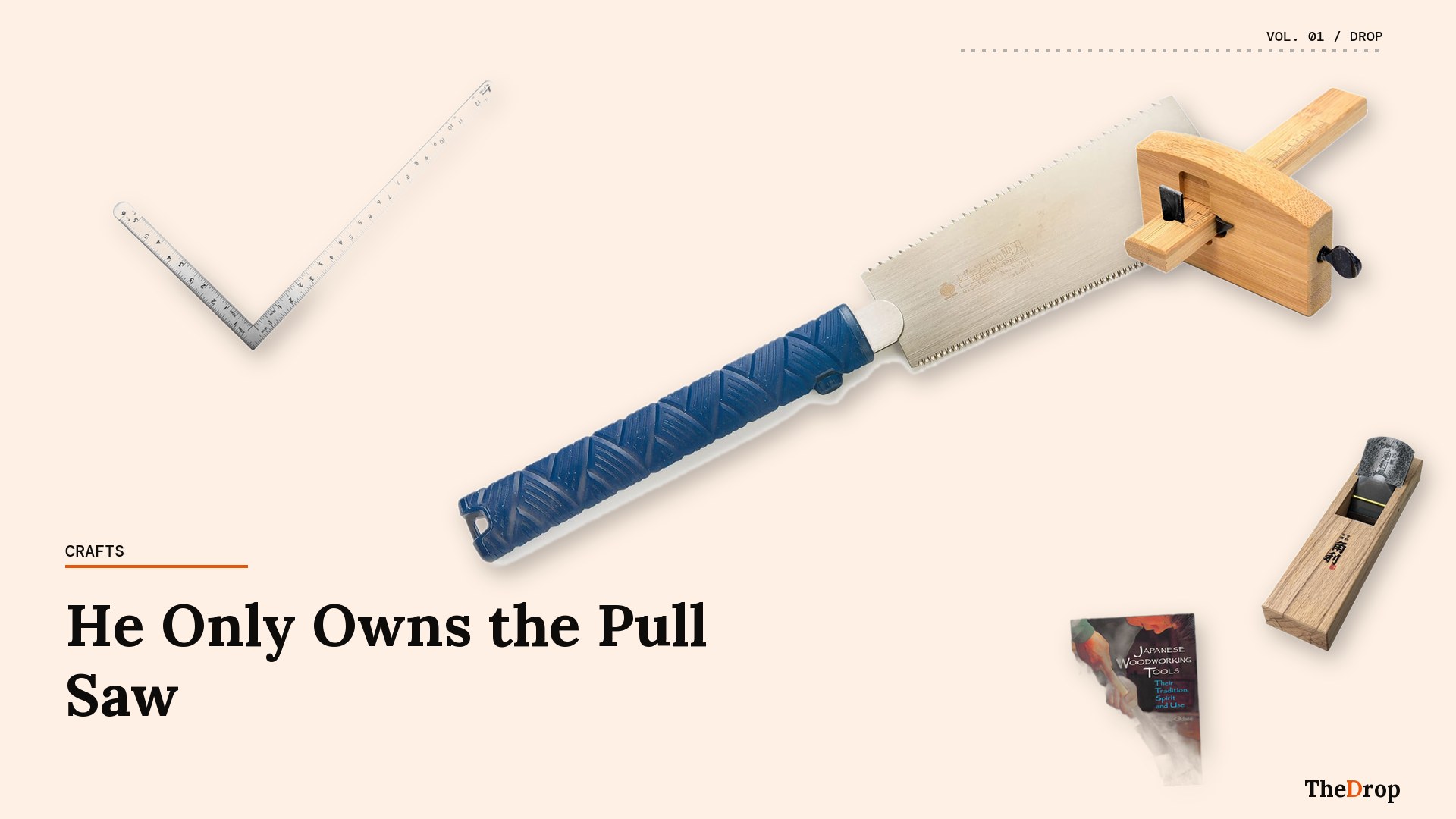
One Ryoba, Eighteen Months, Every Cut
He bought one Japanese pull saw, used it for everything, and decided every Western tool in his shop was wrong. The pull-saw woodworker is now in the second-tool phase — chisel, plane, stone, joinery book — and the gifts that land are the ones the FineWoodworking forum thread settled on.
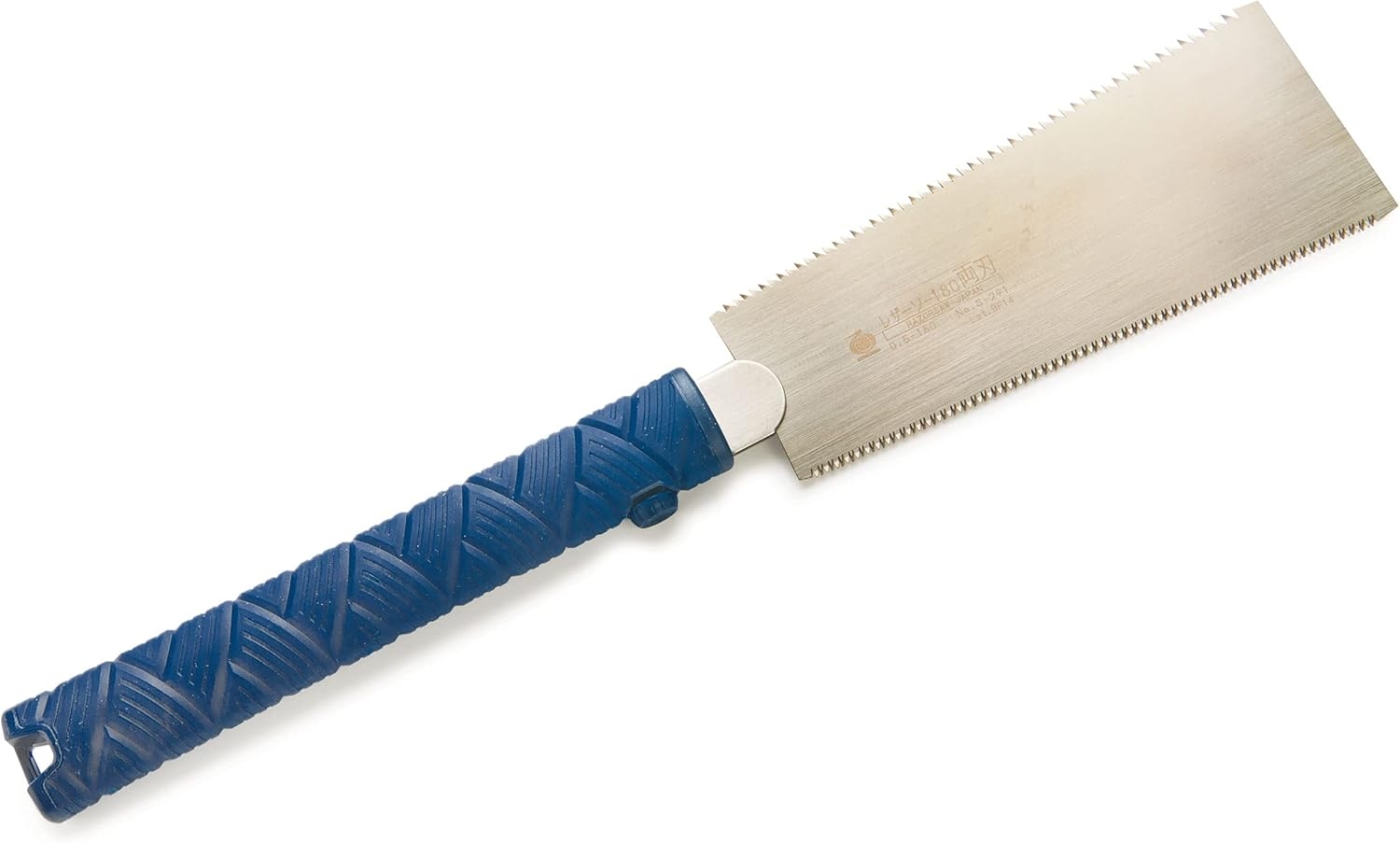
Gyokucho 770-3600 Razor Ryoba Saw (240mm, Replaceable Blade)
The ryoba most pull-saw woodworkers settle on after their first cheap saw. Rip teeth one side, crosscut the other, replaceable blade for a quarter of a new saw. The default in every Japanese-tool starter recommendation.
“The one reliable rule of gift-giving: anything that makes them look more serious at what they love will be received with disproportionate gratitude.”
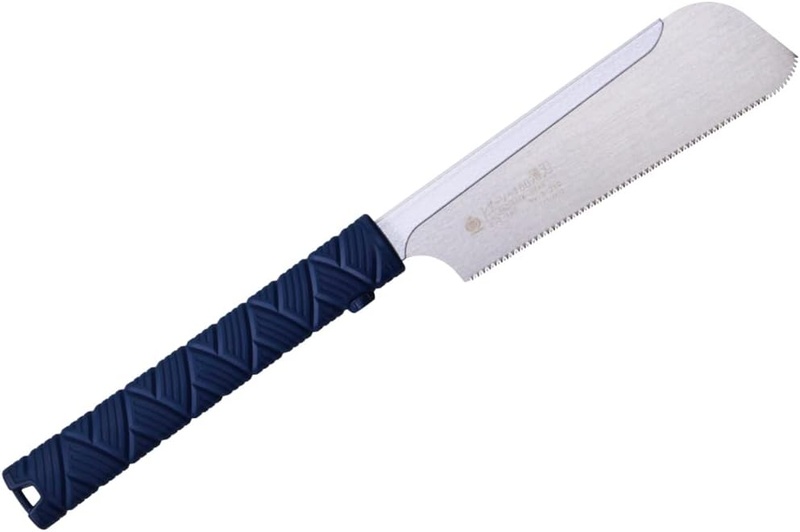
Gyokucho 770-3500 Razor Dozuki Saw (240mm, Stiff Spine)
The saw the pull-saw woodworker actually needs. Rigid spine, thin kerf, fine crosscut teeth — the only way to cut a dovetail without overshooting the line. The companion piece to the ryoba, every workshop owns both.
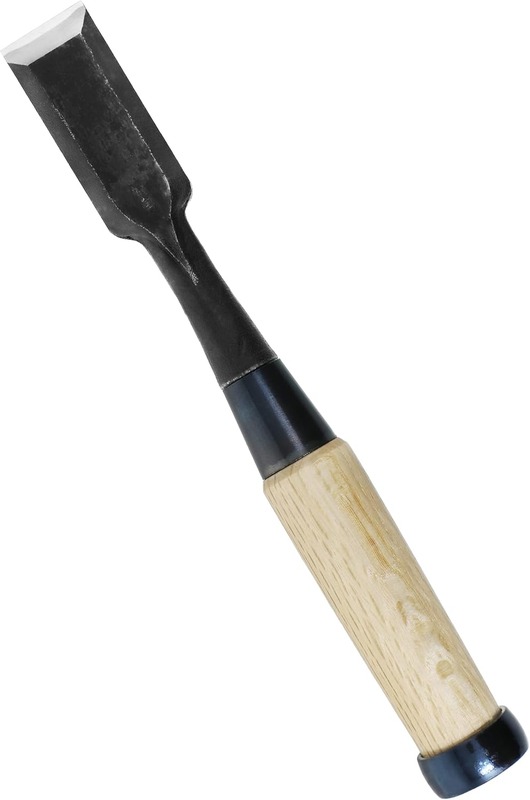
Kakuri Oire Nomi Bench Chisel 24mm (1", Yellow Steel #2, Made in Japan)
The first proper Japanese chisel for someone who only has saws. 24mm is the most-used size; Yellow Steel #2 takes a hair-shaving edge but forgives a beginner's sharpening. The handle expects a hammer, not a palm.
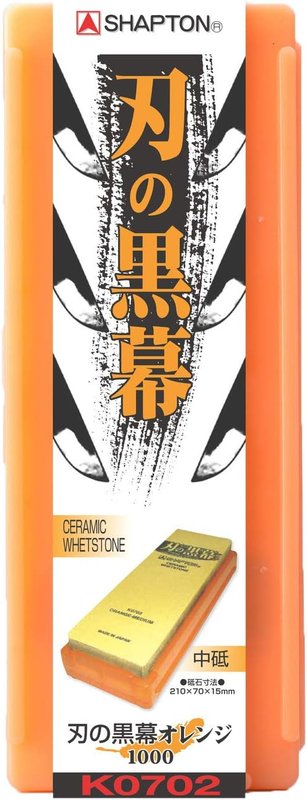
Shapton Glass Stone #1000 Sharpening Stone (Orange, Medium Grit)
The sharpening stone Japanese-tool forums settle on. Splash-and-go, no soaking, no dishing in a year of use. A 1000-grit stone is the one stone a chisel beginner needs before they learn to want an 8000.

Japanese Woodworking Tools: Their Tradition, Spirit and Use (Toshio Odate)
The book the pull-saw woodworker has heard about and not bought. Odate trained as a tategushi in Japan and writes the foundational text on saw, plane, and chisel — what every tool is for, and how to set it up.
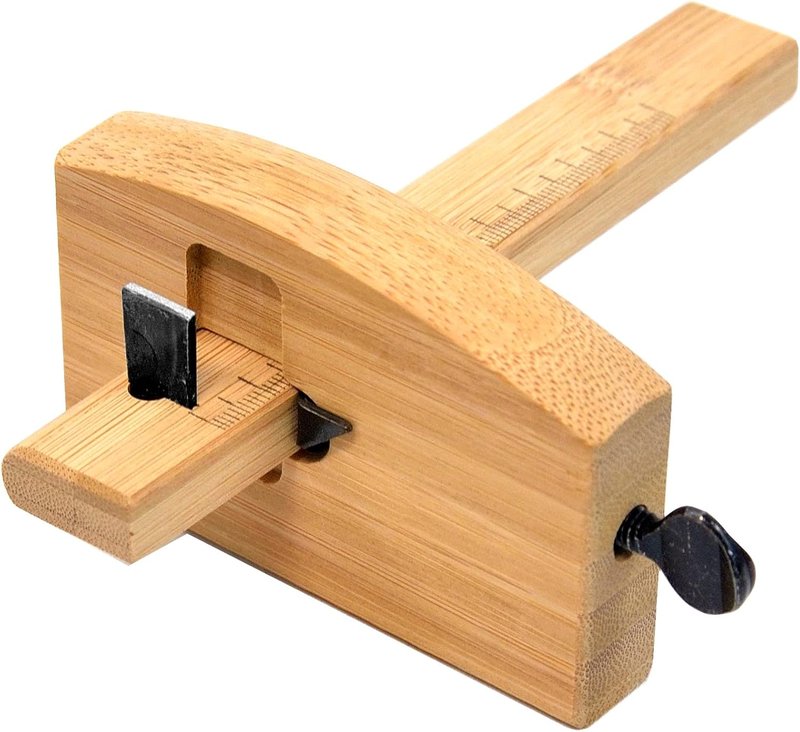
Kakuri Wood Marking Gauge (Kebiki, 90mm, Made in Japan)
Pencil lines lie. A kebiki scribes a thin cut into the wood that the chisel registers against — the precision step that turns a sloppy mortise into a snug one. The first dedicated marking tool for someone who has been using a tape measure.
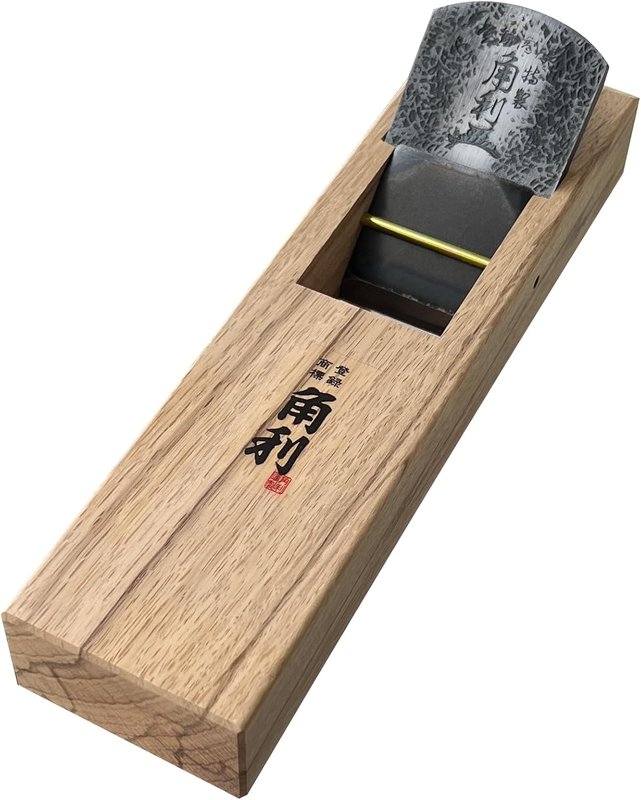
Kakuri Japanese Block Plane (Kanna 50mm, White Oak Body, Made in Japan)
The first kanna for someone who has only ever used the saw. White oak body, laminated steel blade, hand-set sole. Out of the box it does not work; tuned, it leaves a finish a sander cannot match.
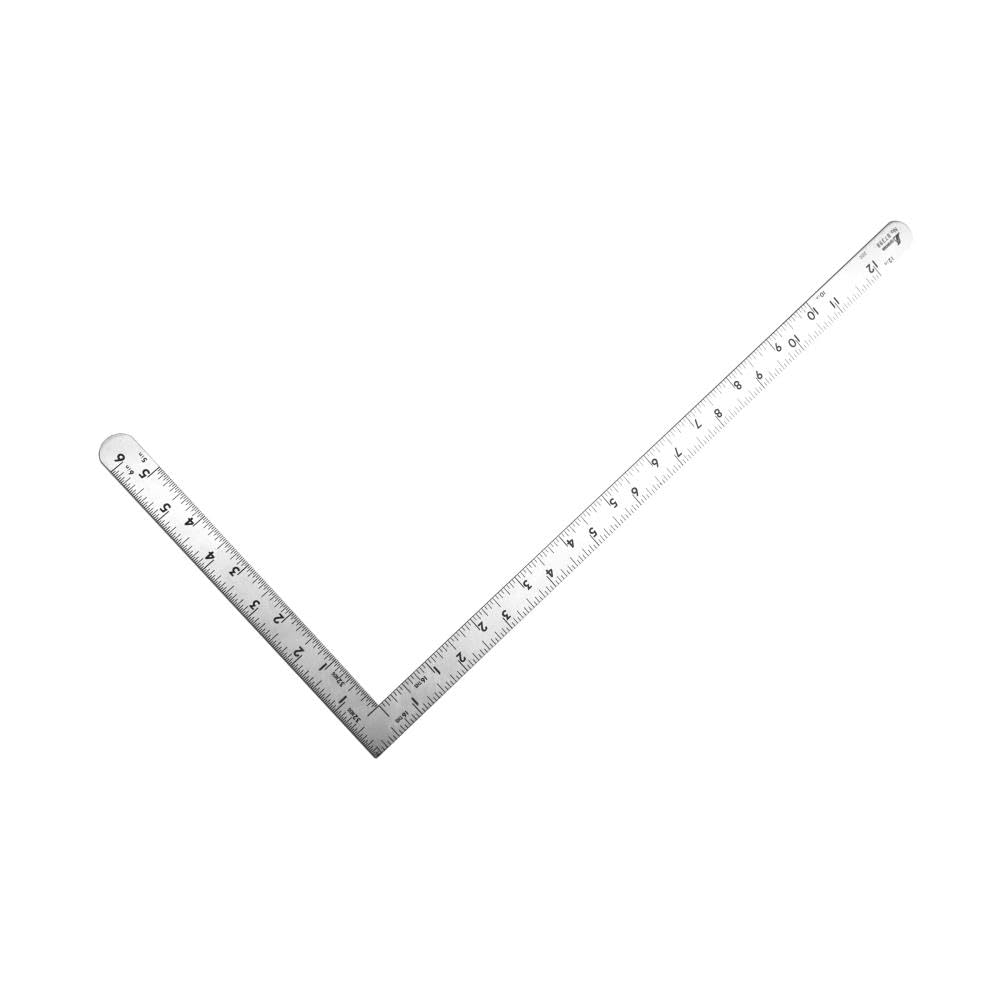
Shinwa Carpenter's Square (Sashigane, 12" x 6", Stainless Steel)
The Japanese sashigane the saw alone cannot replace. Two scales — a long blade and short tongue — read inside-and-outside corners at the same time. The layout square pull-saw woodworkers buy when they finally try a tenon.
Fork it. Make it yours. Share before their birthday.
Friends claim items. No duplicates. No awkward conversations.