Pinch Grip, Claw Hand, a Better Onion
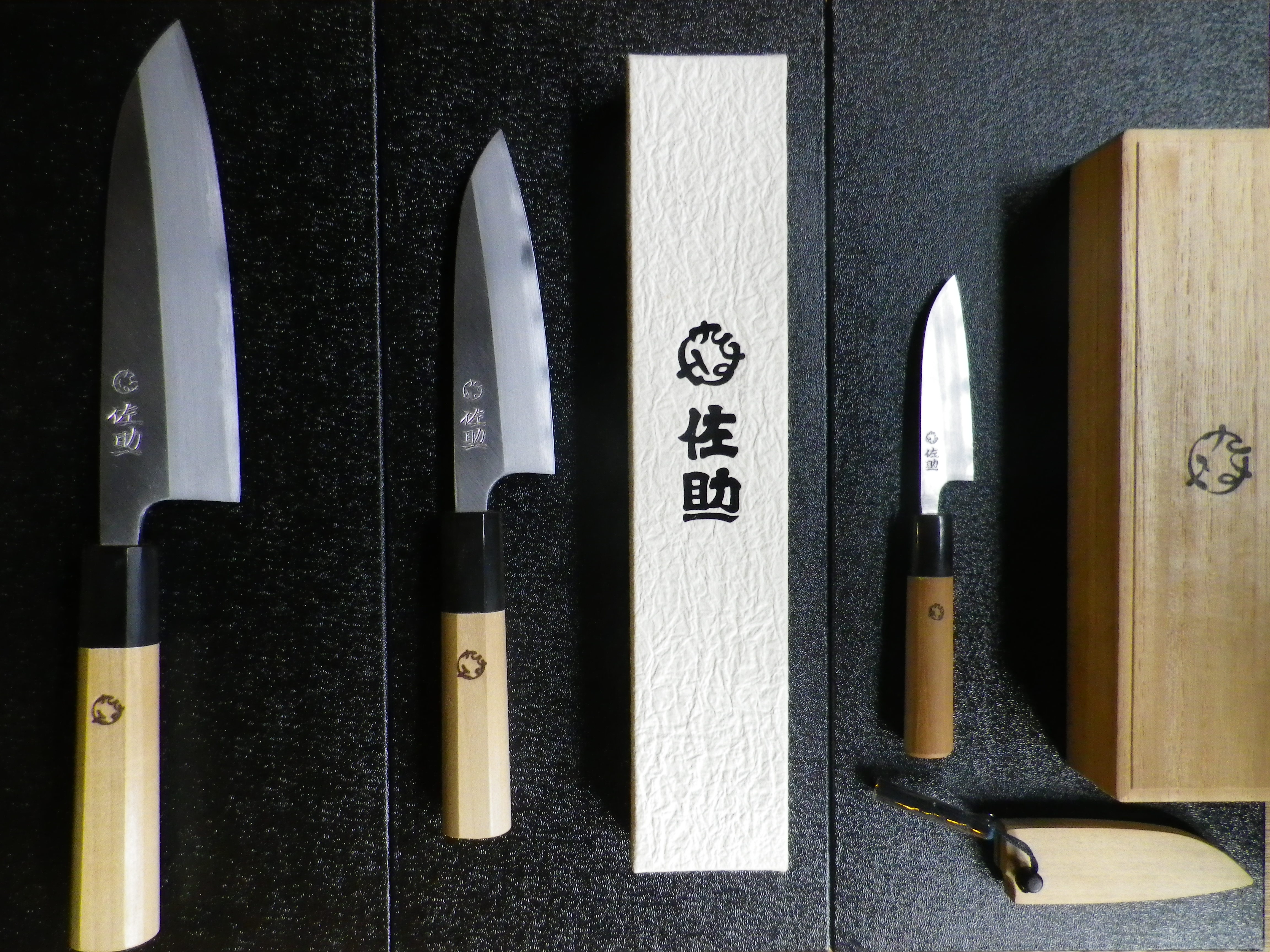
He took the knife skills class in February and came home with a list. Pinch grip, claw hand, the cut that turns an onion into a small dice in twenty seconds. The Wusthof his parents gave him is dull and the cutting board is too small. The gifts that matter are the ones the instructor recommended.
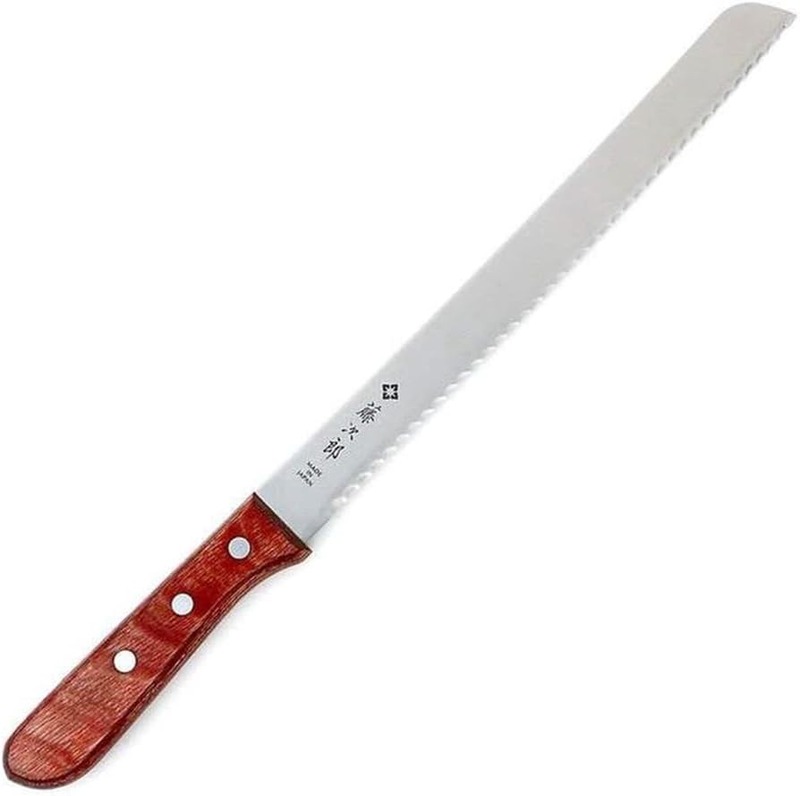
Tojiro DP Gyuto Chef Knife (8.2 inch, F-808)
The under-hundred gyuto every Japanese-knife forum starts with. VG10 core, stainless cladding, a profile that rocks and slides — the knife the instructor told him to buy.
“The one reliable rule of gift-giving: anything that makes them look more serious at what they love will be received with disproportionate gratitude.”
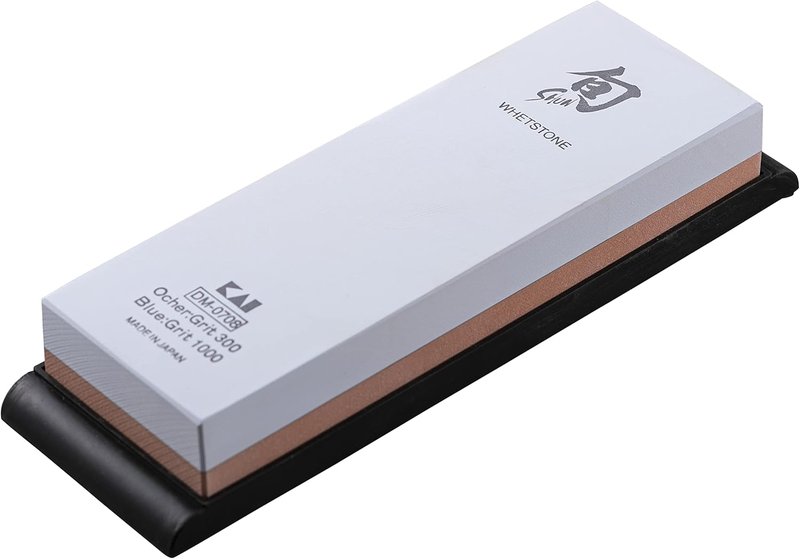
Shun 300/1000 Combination Whetstone (DM0610)
The honing rod his parents own does not sharpen a knife. The 300/1000 combination is the home cook's edge-restoration kit — fix on the 300, refine on the 1000.
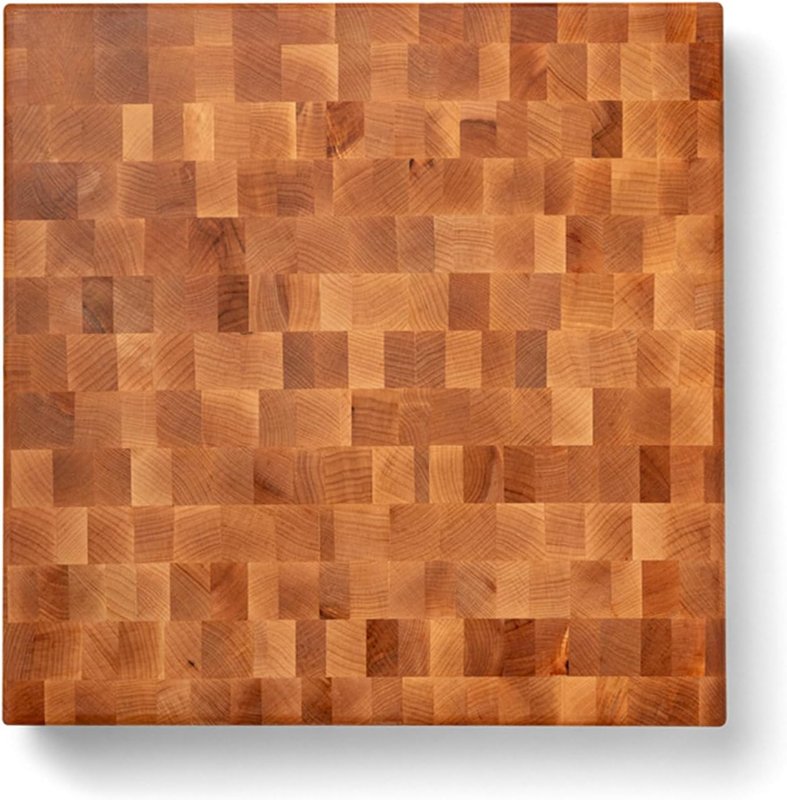
John Boos Block CCB183-S Maple End-Grain Chopping Block (18 x 18 x 3)
End-grain absorbs the edge instead of dulling it. The board the instructor demos on, John Boos out of Effingham, Illinois — the surface that keeps a sharp knife sharp longer.
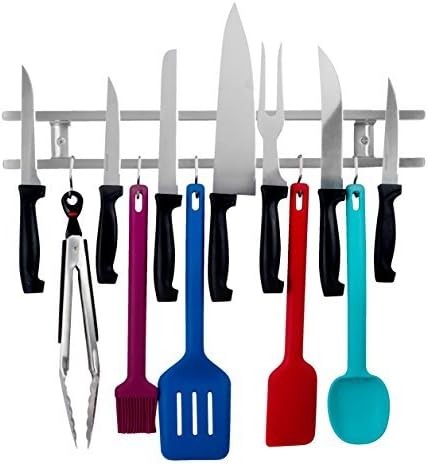
Wellington Wares 18-Inch Stainless Steel Magnetic Knife Strip (Wall-Mounted)
Knives in a block dull against the slot. A magnetic strip on the wall keeps the edge in air, looks like the test-kitchen videos he watches, holds five blades.
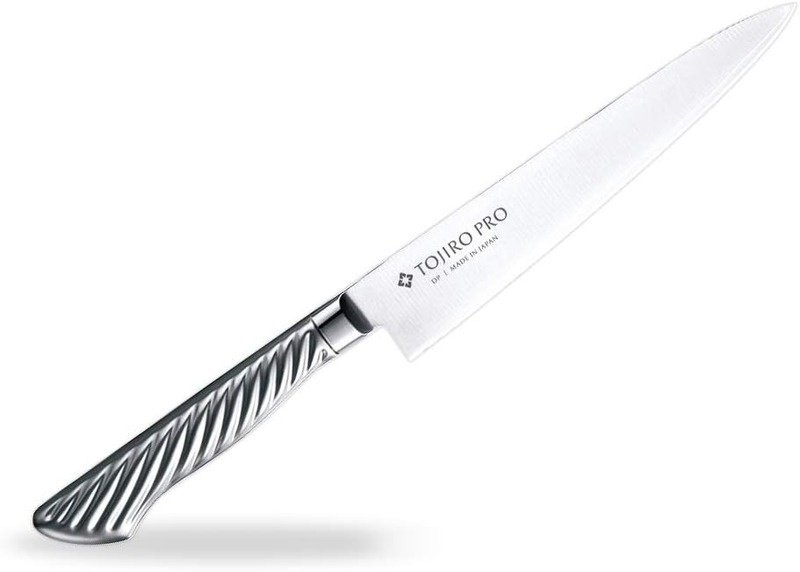
Tojiro-PRO DP Cobalt Alloy Petty Knife 150mm (F-884)
A petty is the second knife you reach for. Six inches, same VG10 core as the gyuto — the small-job blade that retires the paring knife in the drawer.
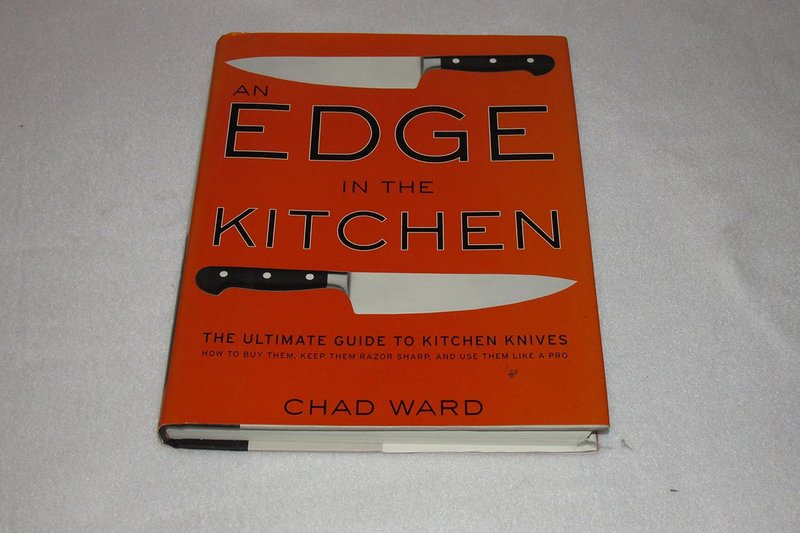
An Edge in the Kitchen: The Ultimate Guide to Kitchen Knives (Chad Ward)
Chad Ward is the writer chef-knife forums cite. The textbook on knife geometry, sharpening angles, the cuts the class taught — the reference that extends a four-Saturday class.
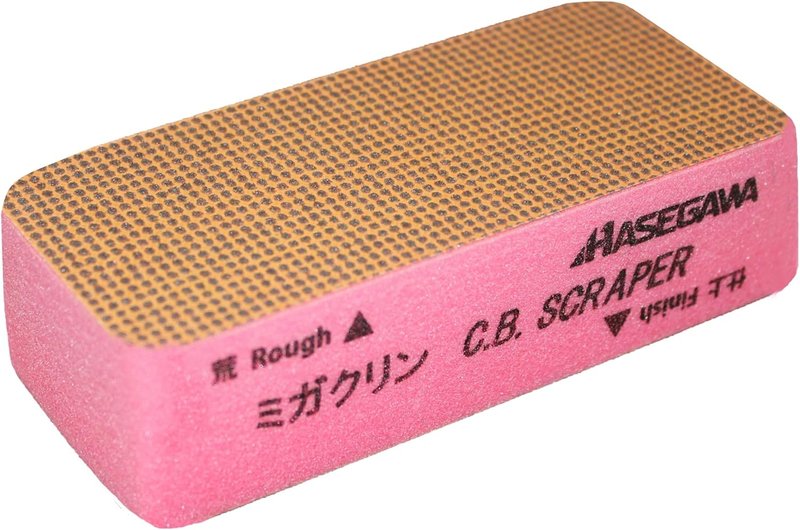
Hasegawa Karugaru Soft Polyethylene Cutting Board (Wood-Core, 500x300x20mm)
Sushi chefs cut on Hasegawa for a reason. Soft polyethylene over a wood core — the only plastic board chef-knife forums say will not kill an edge. For wet protein.
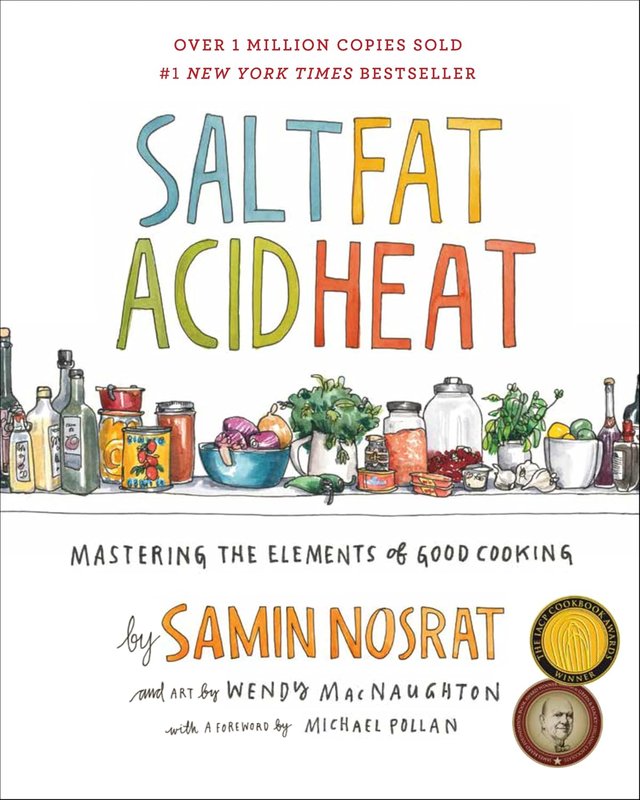
Salt, Fat, Acid, Heat: Mastering the Elements of Good Cooking (Samin Nosrat)
Once the knife is sharp and the cuts are clean, the question is what to do with the food. Nosrat's book is the framework that turns technique into a meal.
Fork it. Make it yours. Share before their birthday.
Friends claim items. No duplicates. No awkward conversations.