Two Batches In, One Stuck Fermentation, Still Brewing
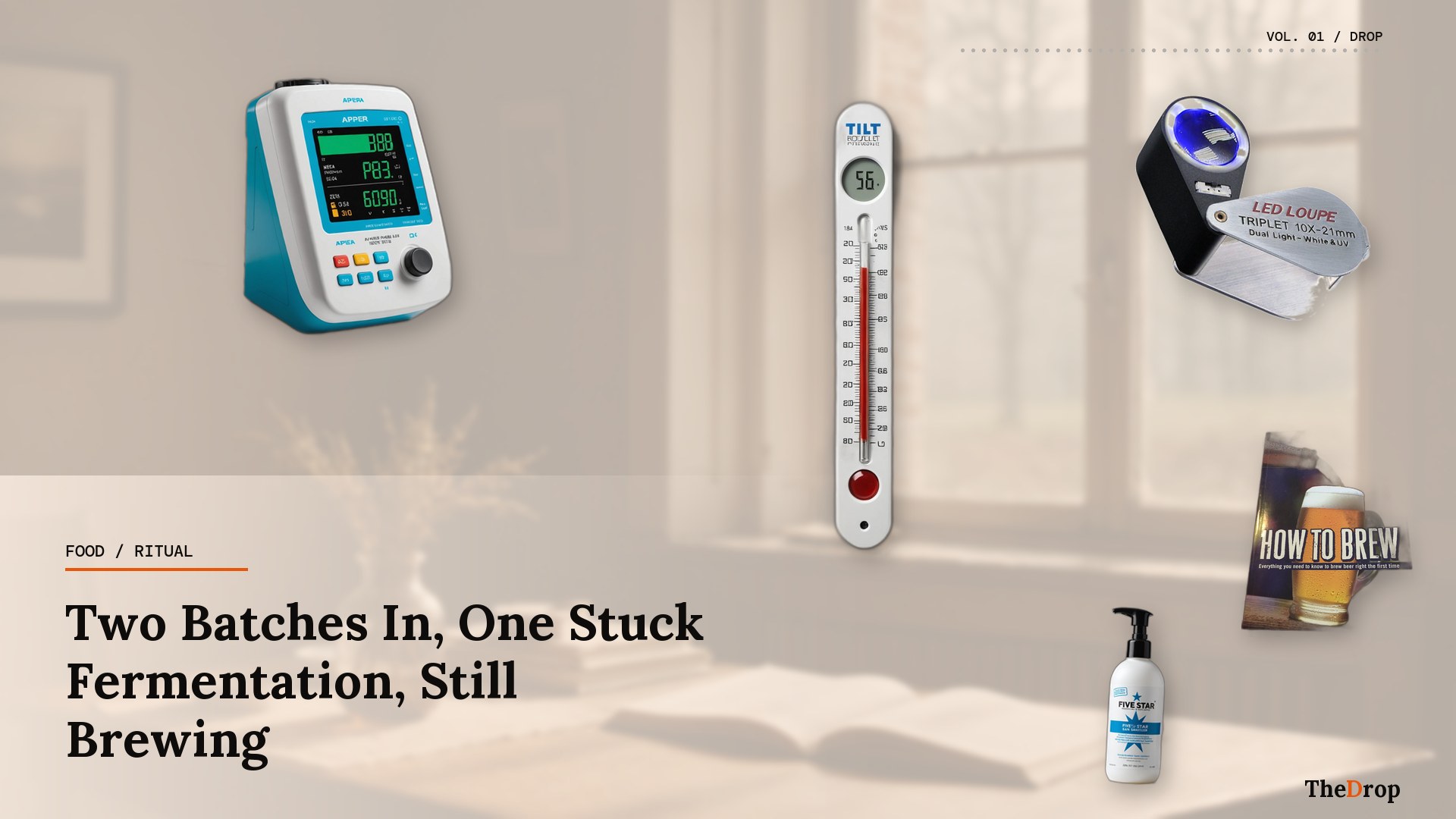
He brewed a stout in October and it was actually good. He brewed a saison in January and it stopped fermenting at 1.030. Now he is six months in, has a wort chiller and a hydrometer, and is reading How to Brew at the kitchen table at eleven at night trying to work out whether the mash temperature was wrong or the yeast was old. The gifts on this list are what r/homebrewing pushes a person at exactly this stage — pH measurement, real fermentation control, the cleaning that prevents infection round three.
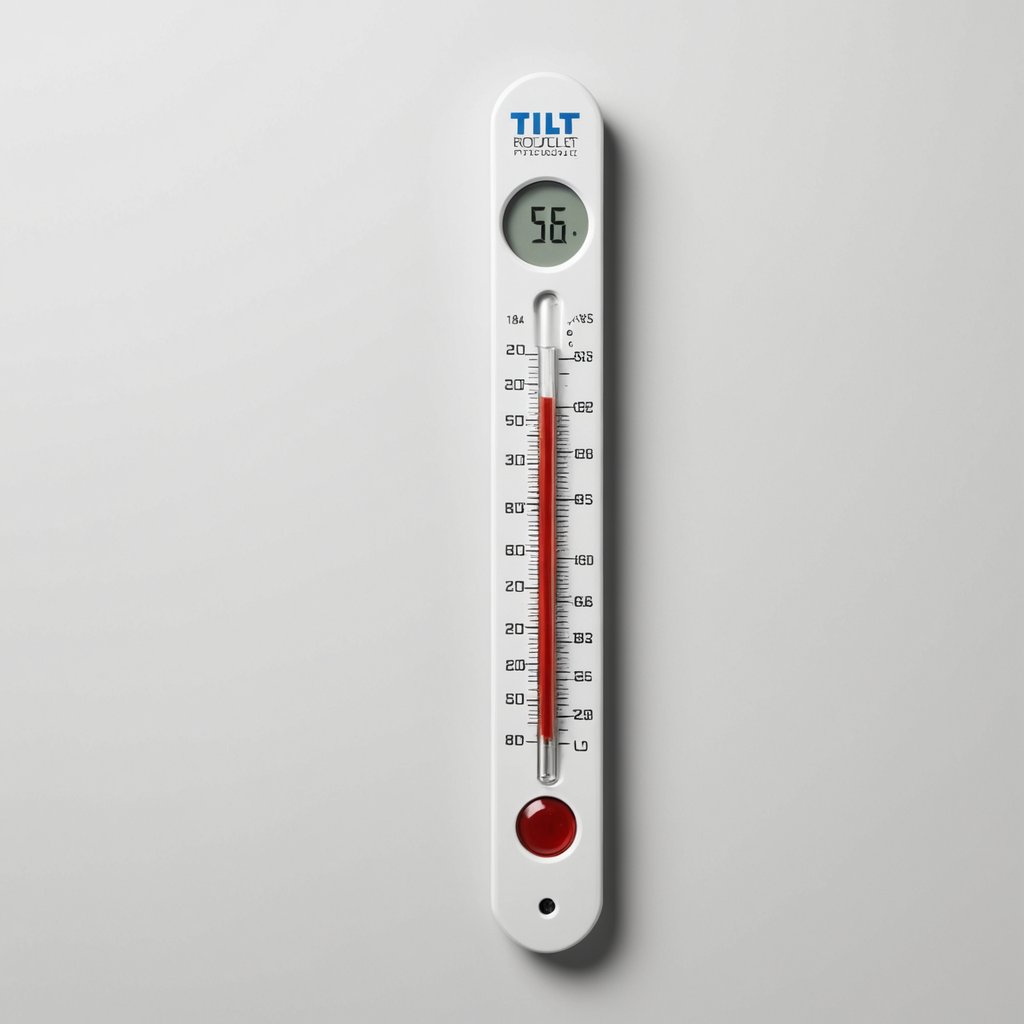
Tilt Wireless Hydrometer and Thermometer (Bluetooth, Floating)
Drops in the fermenter, reads gravity and temperature continuously, beams it to the phone. The Tilt is the single tool that turns guessing at fermentation progress into a graph — the reason r/homebrewing knows when a batch is stuck.
“The one reliable rule of gift-giving: anything that makes them look more serious at what they love will be received with disproportionate gratitude.”
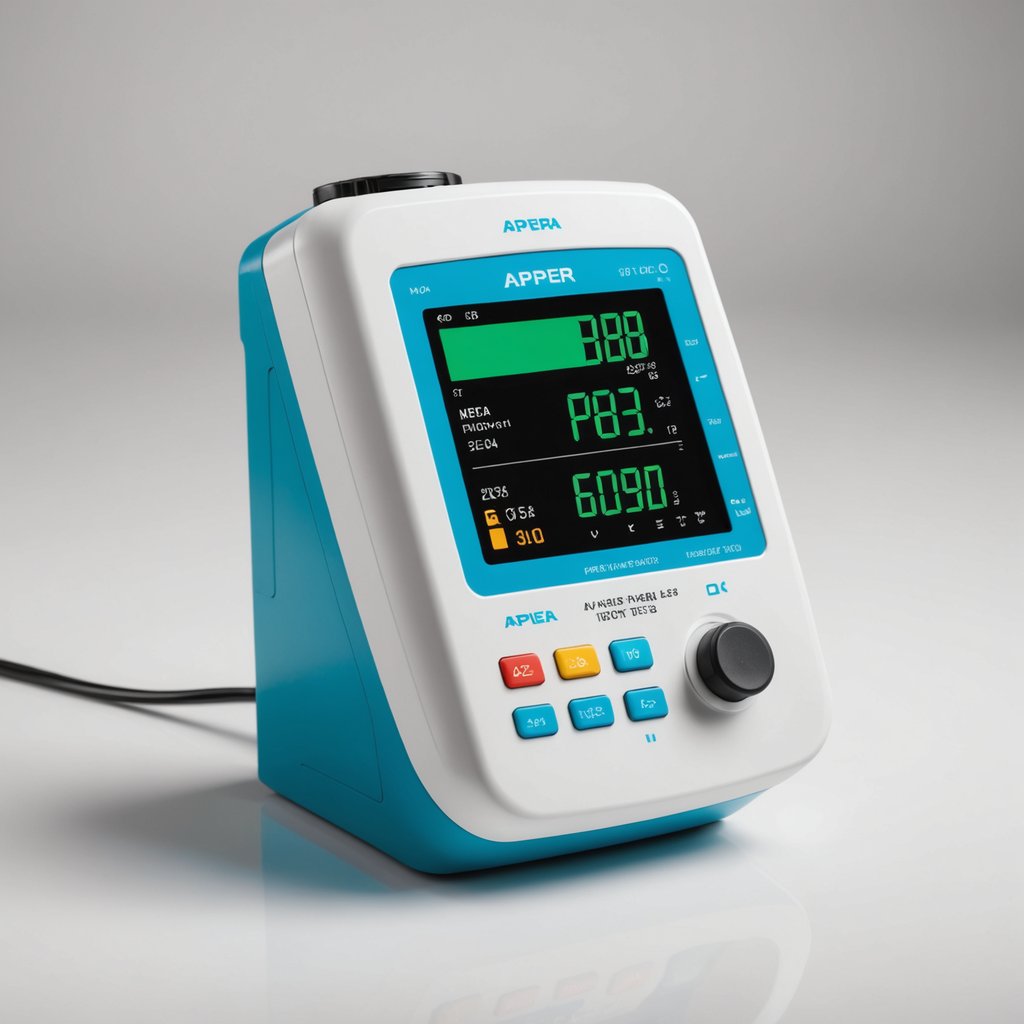
Apera AI209 pH Meter (For Brewing, 0.01 pH Resolution, ATC)
Mash pH is the variable he just learned exists. 5.2-5.5 is the window — too high and the saison stalls, too low and the stout runs thin. The Apera AI209 is the meter brewing forums settle on at this price point.
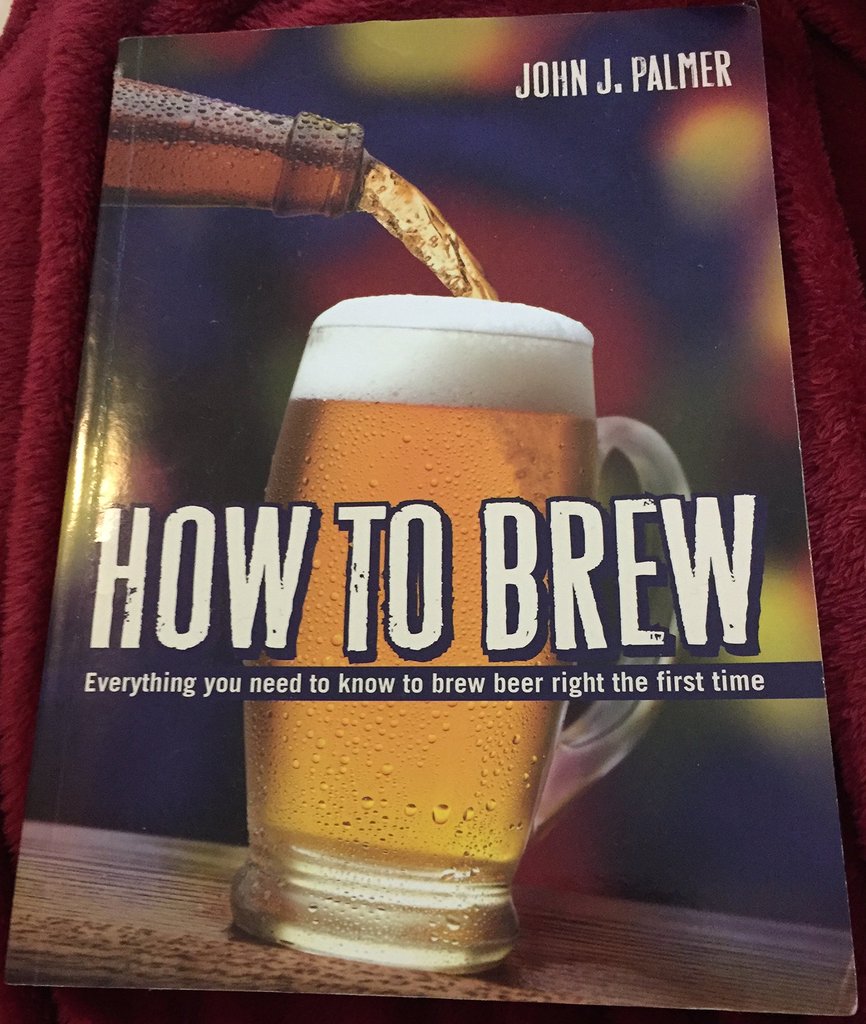
How to Brew (John Palmer, 4th Edition)
The book every homebrewer eventually owns. Palmer is the foundational text on water chemistry, mash pH, fermentation troubleshooting — the chapters he is reading at eleven at night to work out why the saison stalled.
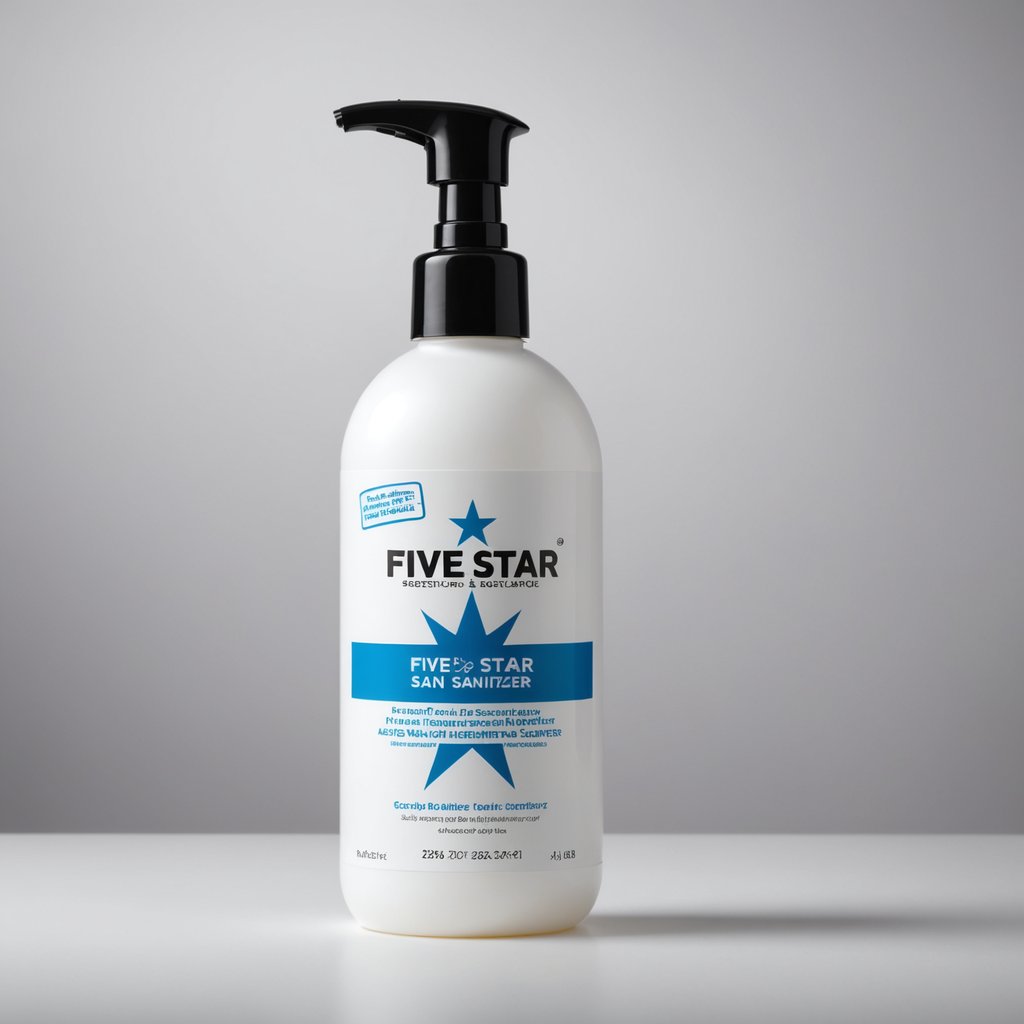
Five Star Star San High-Foaming Acid Sanitizer (32 oz Concentrate)
The bottle every homebrewer keeps in two-litre dilution. No-rinse, foam-positive, kills the bacteria that infected batch two. Star San is the unsexy purchase that prevents the third stuck fermentation.
Brew Bag (Custom Sized, Voile Mesh, BIAB Brew-in-a-Bag, 5 Gallon)
The bag that turned brewing-in-a-bag from a kludge into a method. Voile mesh is fine enough to hold the grain bed, sturdy enough to lift fifteen pounds wet. The single piece of gear that makes the next ten batches simpler.

FastFerment Conical Fermenter (3 Gallon, BPA-Free Plastic)
The fermenter that lets him harvest yeast off the bottom and dump trub without transferring. Three-gallon scale fits the home batch; the conical geometry is what every commercial brewery uses for the same reason.
Northern Brewer Brewing Thermometer (Floating, NSF, 0-220 F)
His current thermometer is a meat probe. A real brewing thermometer floats in the wort, reads to 0.5 degrees, and stays in the kettle through the mash. The cheap upgrade that fixes mash-temperature drift.

Brewers Friend Brew Day Logbook (Printed, Full-Color, 100 Recipes)
Recipe, water profile, mash temp, fermentation curve, tasting note. The logbook the homebrew community uses to make a brewer's third batch better than the second. The structured record his iPhone notes is failing at.
Fork it. Make it yours. Share before their birthday.
Friends claim items. No duplicates. No awkward conversations.