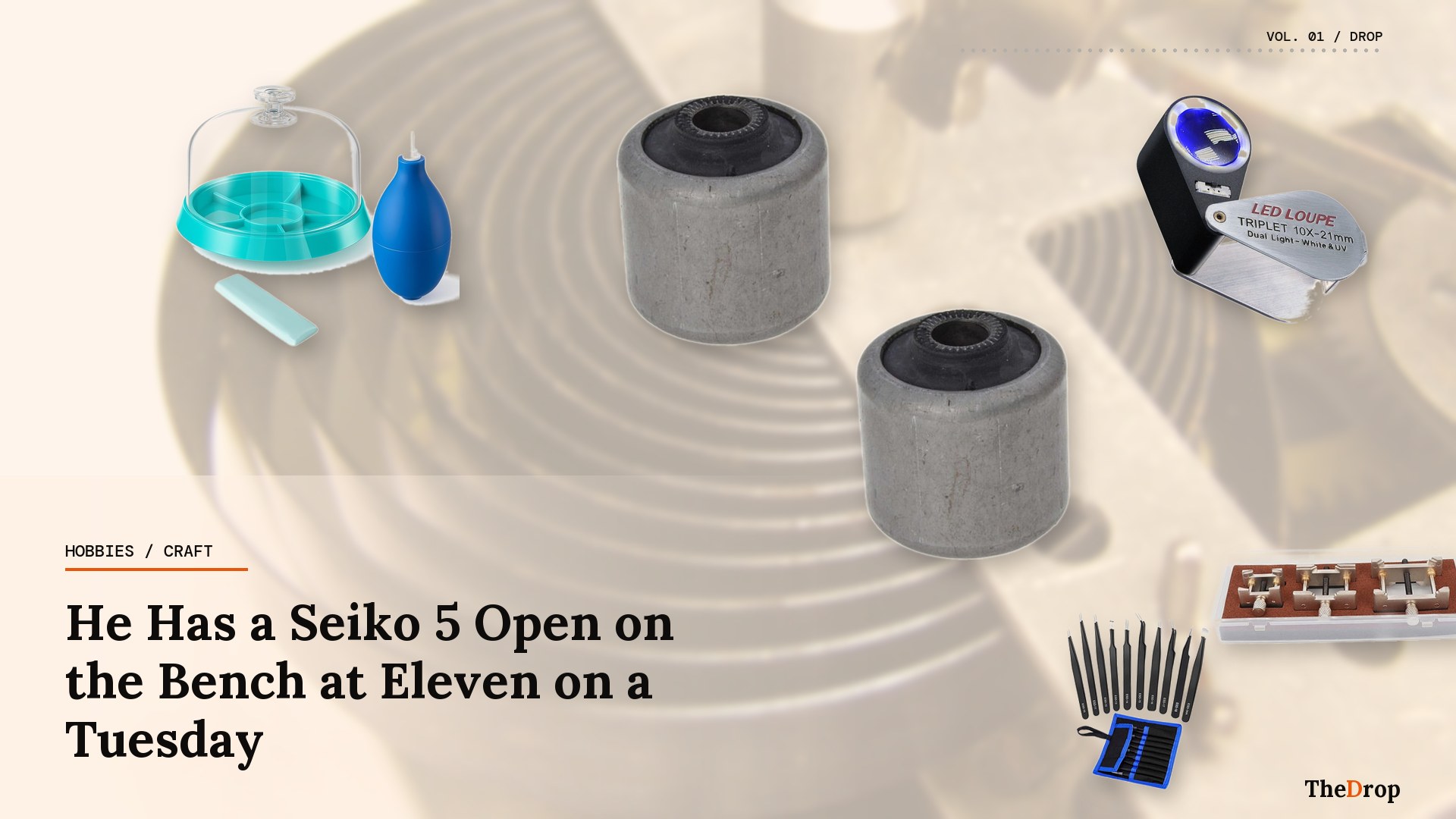
A Seiko 5 Open on the Bench, Tuesday Night
He bought a non-running Seiko 5 on eBay in October. Took the caseback off in November. Now he has a movement holder on the desk, a loupe in his eye, and a YouTube playlist of Mark Lovick disassembling a 7S26 frame by frame. The gifts every watchmaking forum recommends.
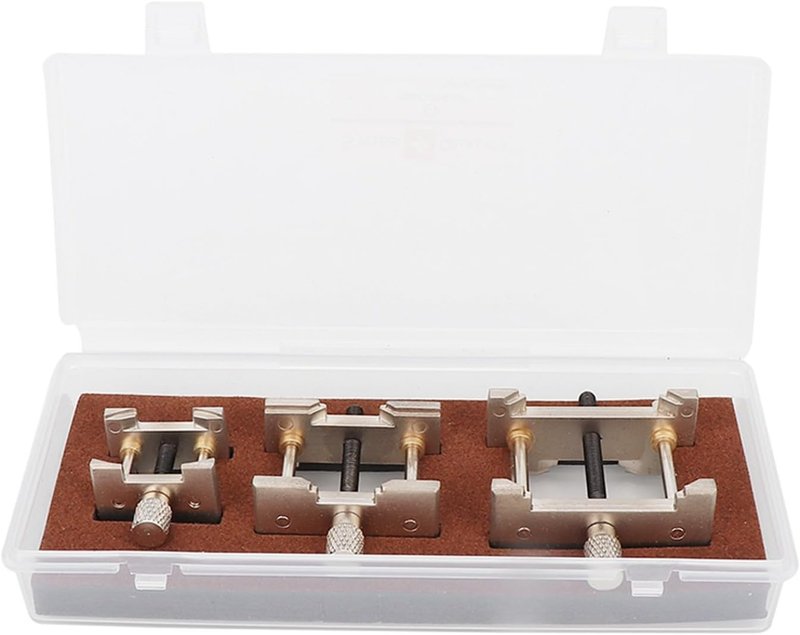
Bergeon-Pattern Watch Movement Holder (Adjustable, 17mm to 35mm)
The brass-jawed clamp that holds a 7S26 movement steady on the bench. Bergeon's pattern is the watchmaker's standard — adjustable, knurled, the part you cannot work without.
“The one reliable rule of gift-giving: anything that makes them look more serious at what they love will be received with disproportionate gratitude.”
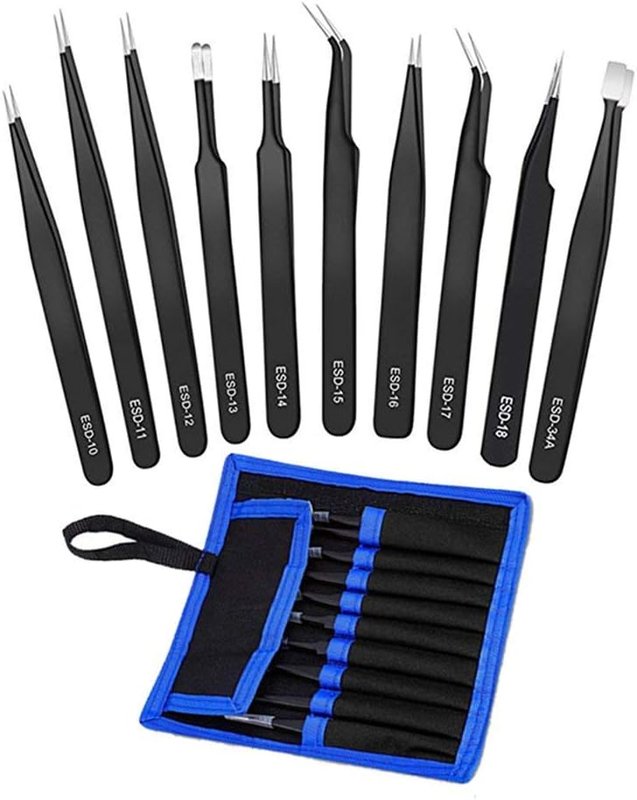
BOLEY Anti-Magnetic Brass Tweezers (Pattern 4, 12cm)
Steel tweezers magnetise the hairspring on contact. Brass is the watchmaker's answer — Boley's pattern-4 is the tip every starter kit upgrades to. The tweezer the hairspring forgives.
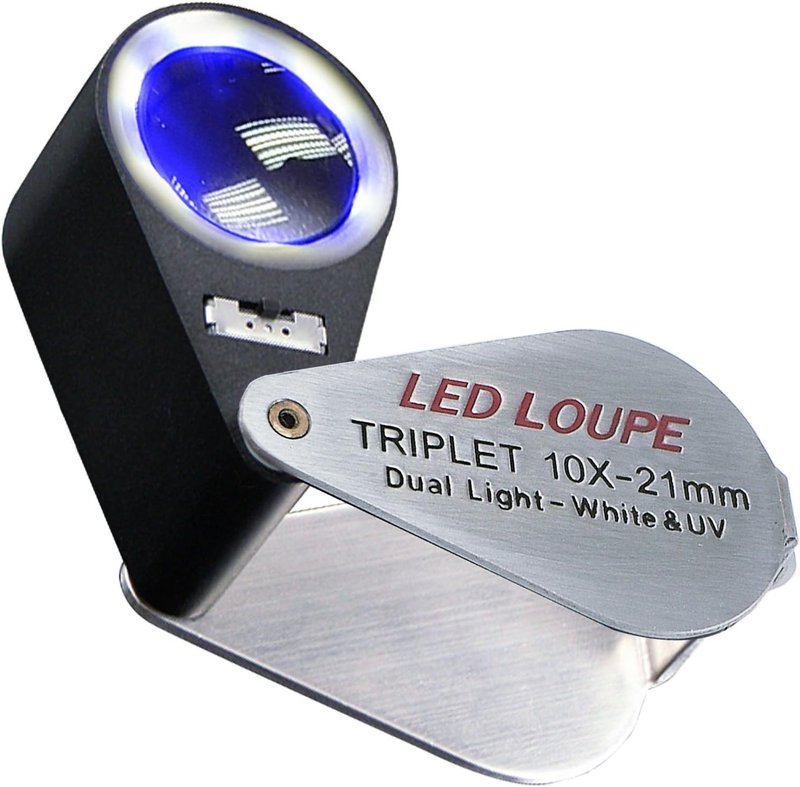
BelOMO 10x Triplet Loupe (Lz-3, 21mm)
Chinese 10x loupes are blurry at the edges. BelOMO is the Belarusian-made triplet — flat field, sharp corner-to-corner, the loupe Hodinkee writers actually own. Wear it on a lanyard.
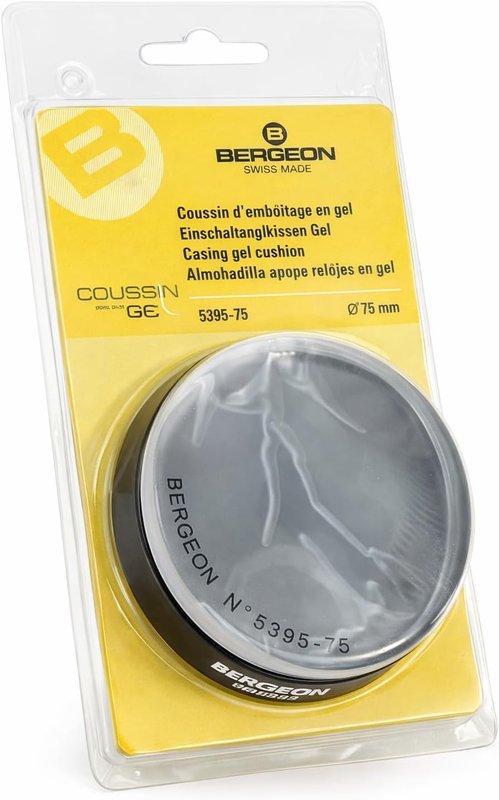
Bergeon-Pattern Casing Cushion (Genuine Leather, Sand-Filled, 90mm)
The leather pad that protects the case while the caseback comes off. Sand-filled, soft — the surface every watchmaking video sits the watch on. The detail bought after scratching once.
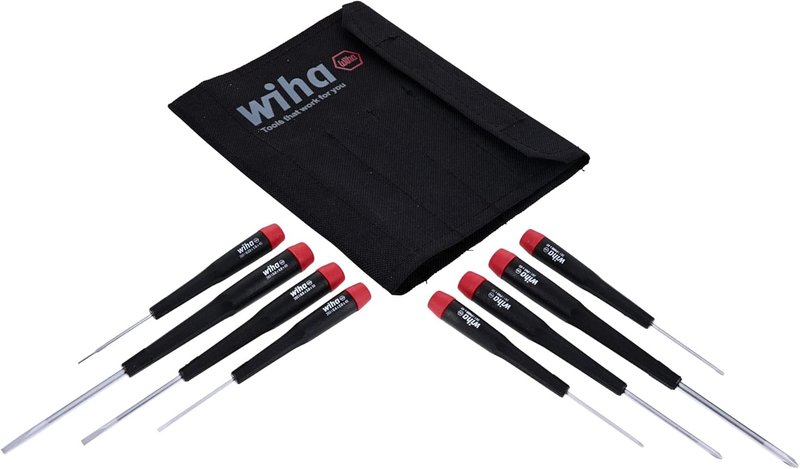
Wiha 26190 Precision Slotted Screwdriver Set (9-Piece, 0.6mm to 3.0mm)
Cheap screwdrivers slip and gouge a slot. Wiha's German hardened-steel set is the watchmaker's compromise — not Bergeon prices, real geometry, dressed flat. The set Lovick recommends to start.
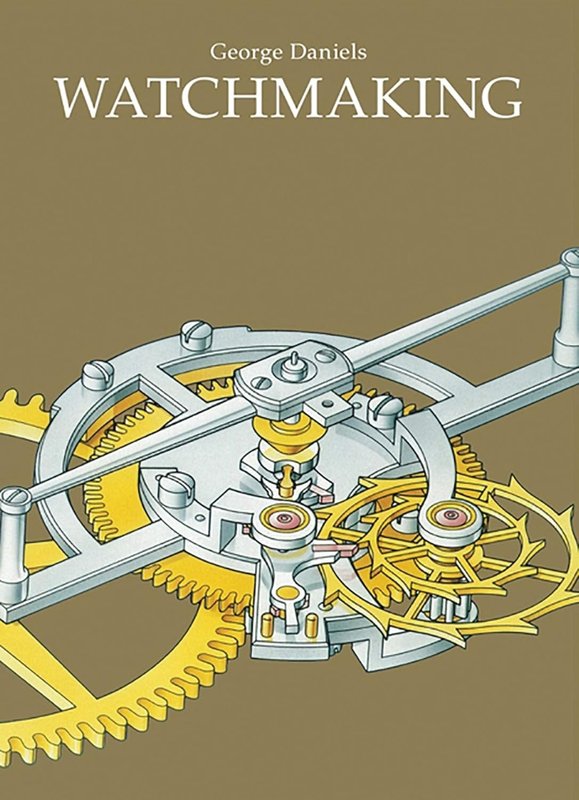
Watchmaking (George Daniels, Updated Edition)
George Daniels invented the co-axial escapement and wrote the textbook. The book every watchmaker — apprentice or master — keeps within reach. The reference that justifies its own shelf.
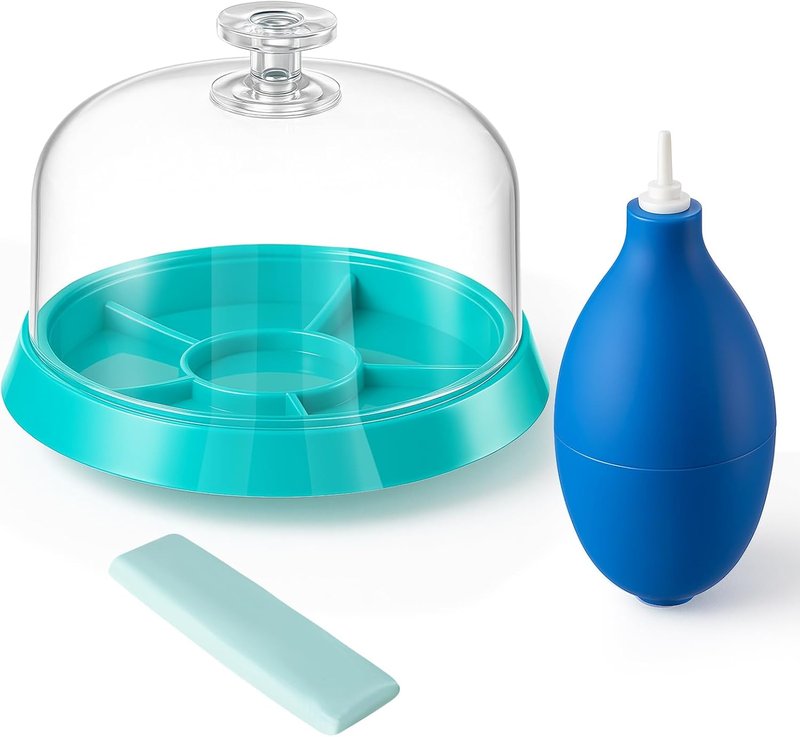
Rodico Watchmaker's Cleaning Putty (Bergeon, Green Block)
Green putty that lifts dust, oil, and fingerprints off the dial. Rodico is the watchmaker's eraser — every bench has a block, every video reaches for it.
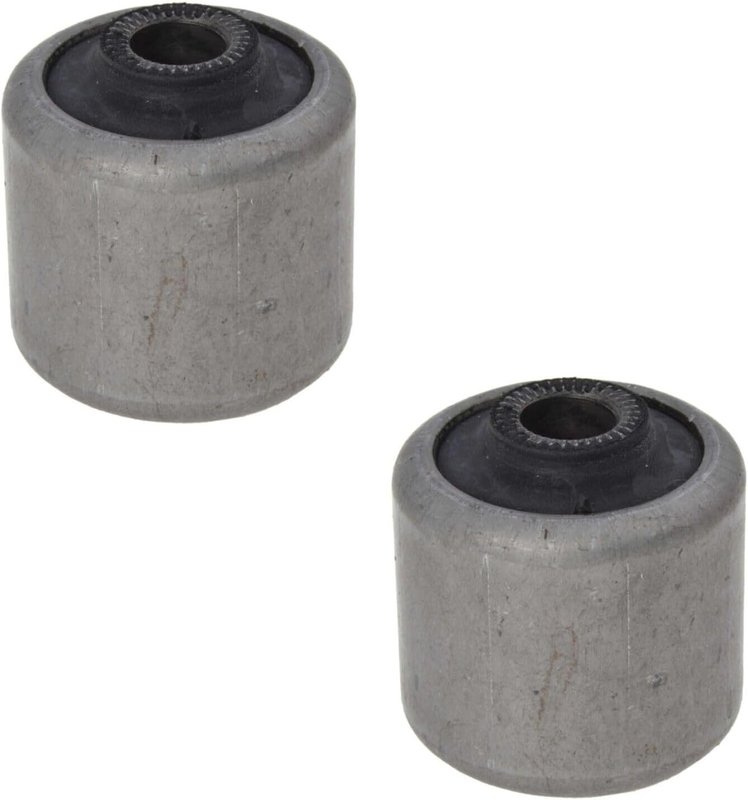
Bergeon-Style Hand Removal Lever Tool (Plastic Tip, Watchmaker's Pattern)
The two-prong lever that lifts the hour and minute hands off the cannon pinion without bending them. Plastic-tip protects the dial. The tool every Seiko 5 service starts with.
Fork it. Make it yours. Share before their birthday.
Friends claim items. No duplicates. No awkward conversations.