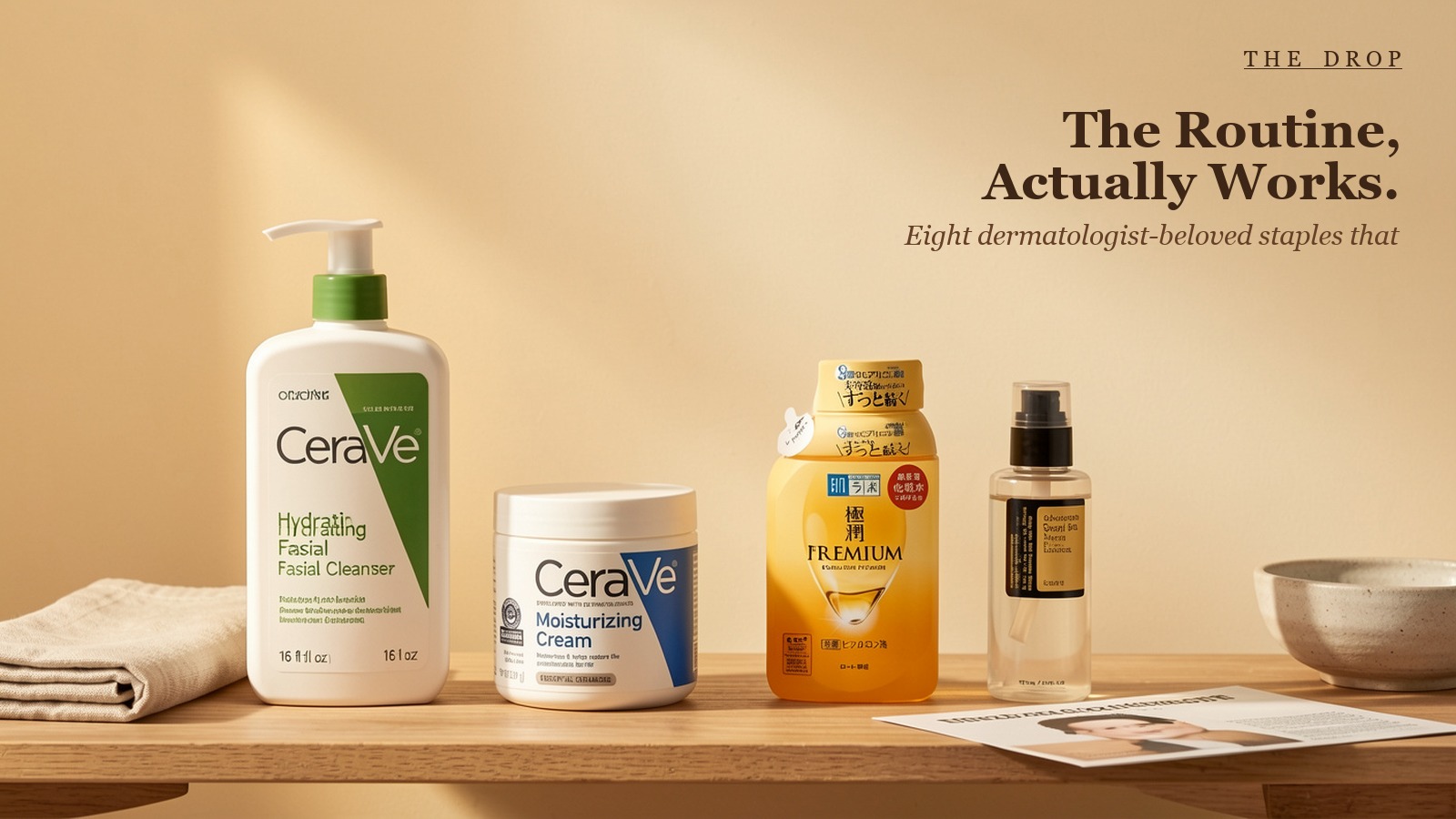
The First Real Routine.
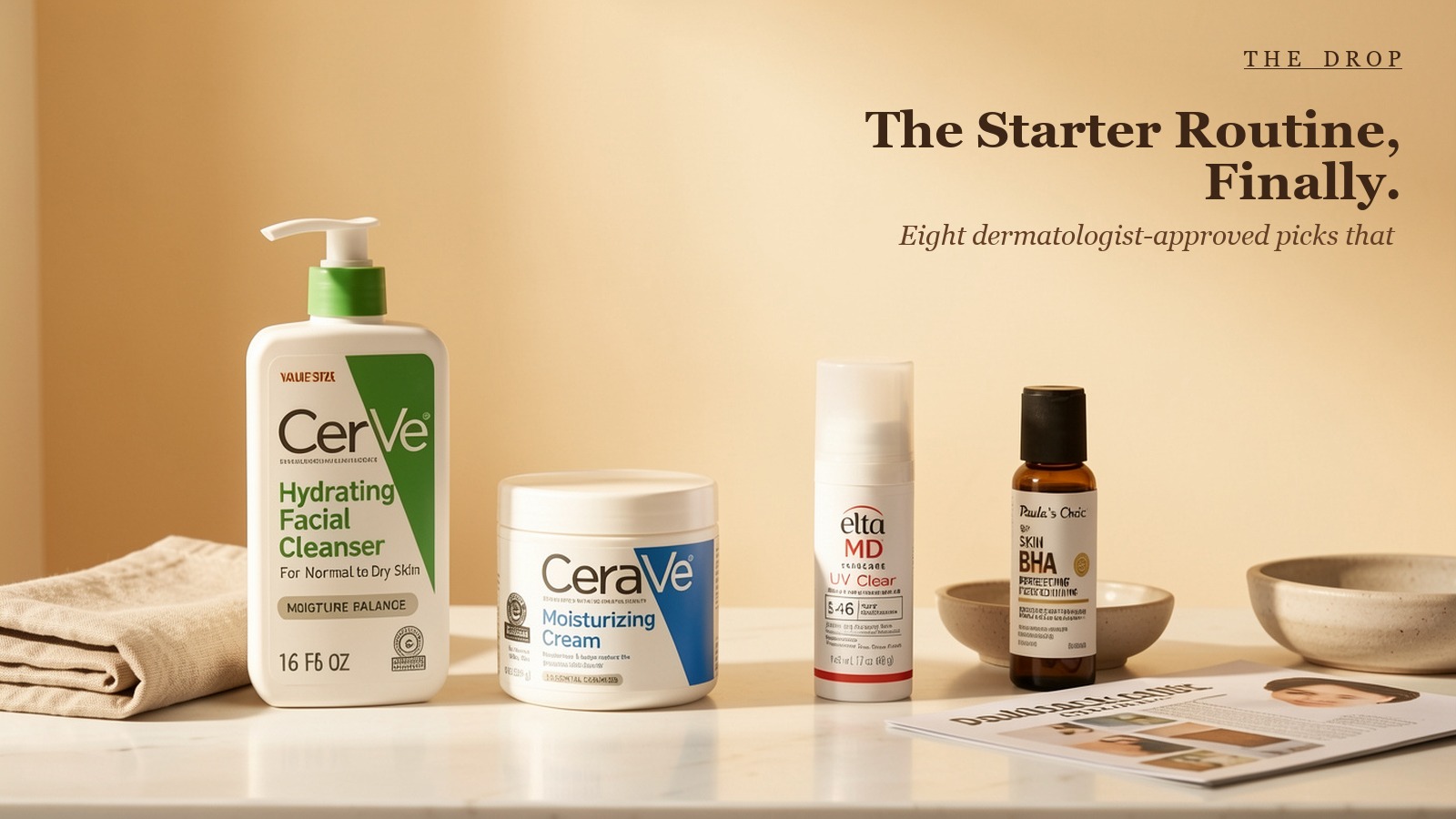
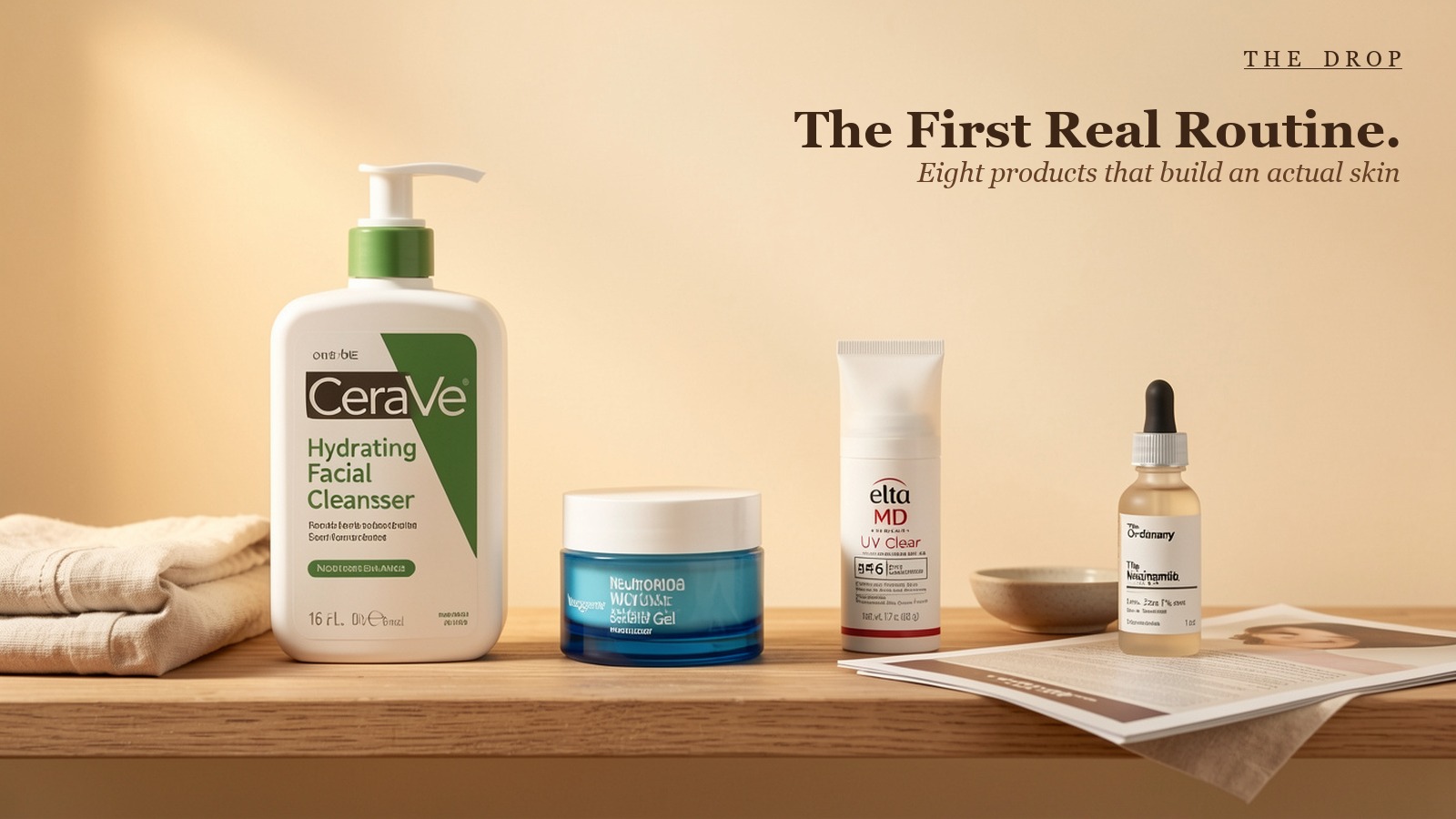
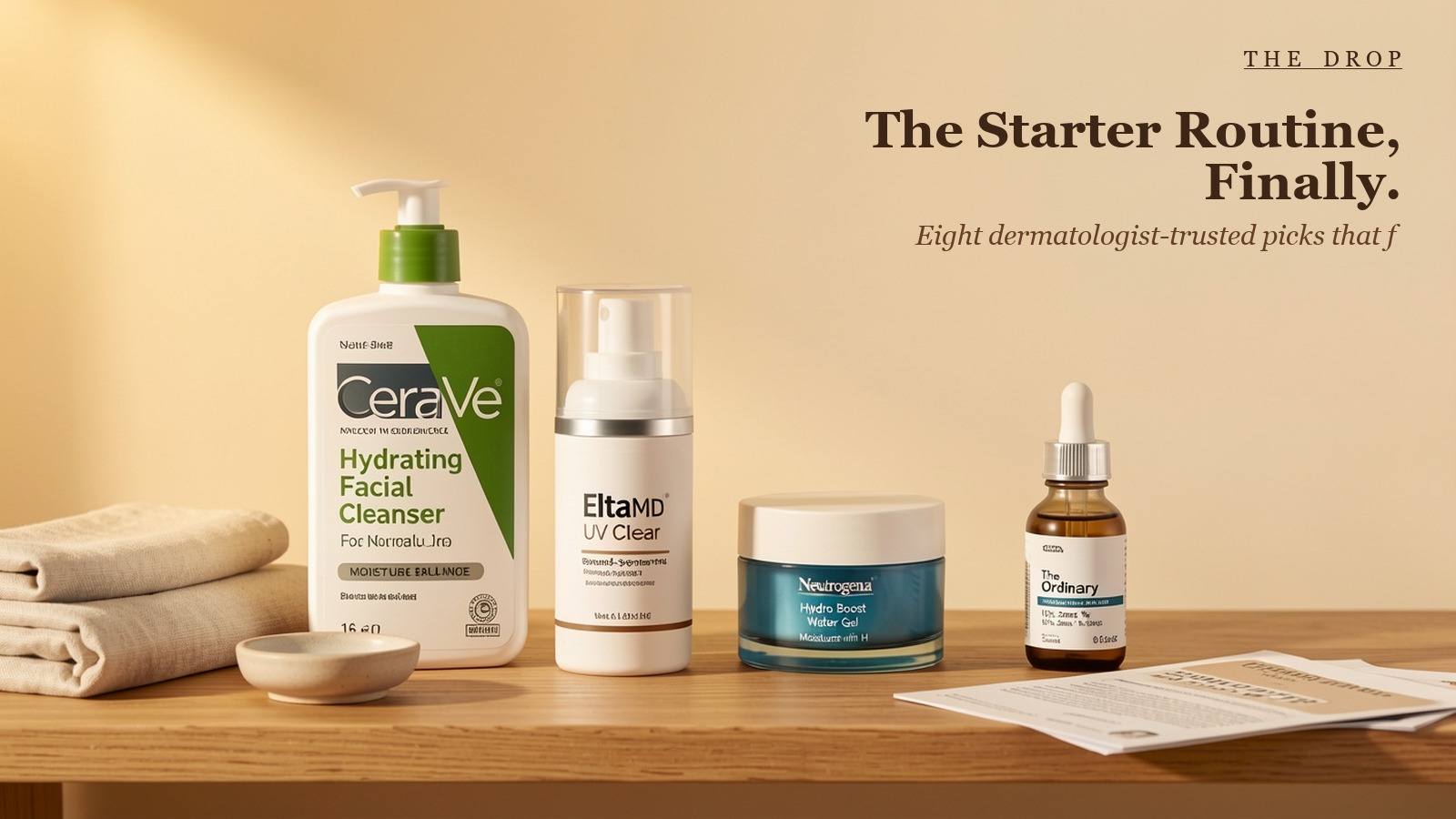
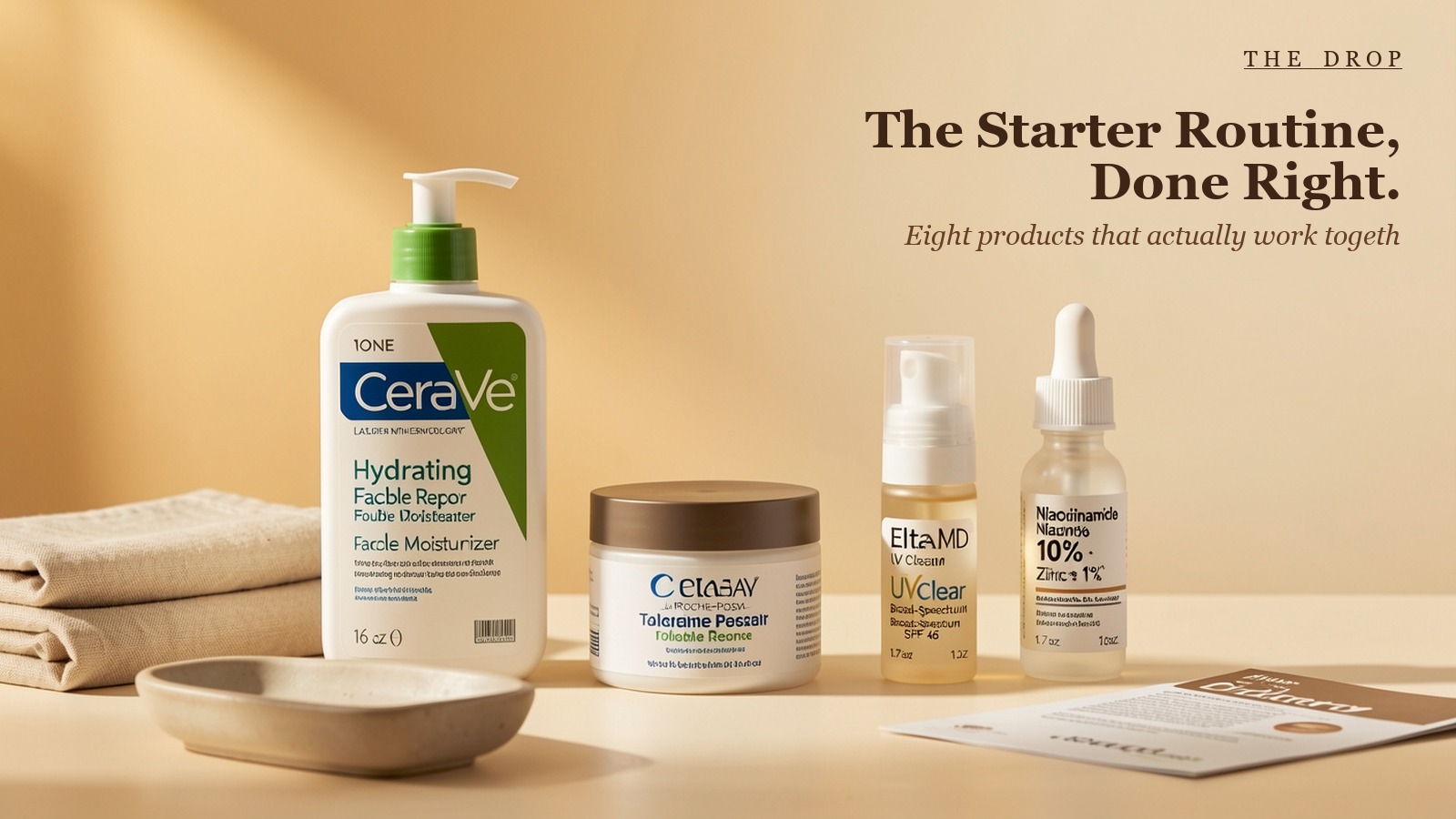
Most skincare aisles are designed to overwhelm. The actual answer, according to every dermatologist and skincare-obsessed corner of the internet, is embarrassingly simple: a gentle cleanser, a real moisturizer, and SPF. CeraVe's Hydrating Facial Cleanser is where that answer begins — $13.49, fragrance-free, and quietly doing more for your skin barrier than any ten-step routine. Build from there. The rest of this drop earns its place.
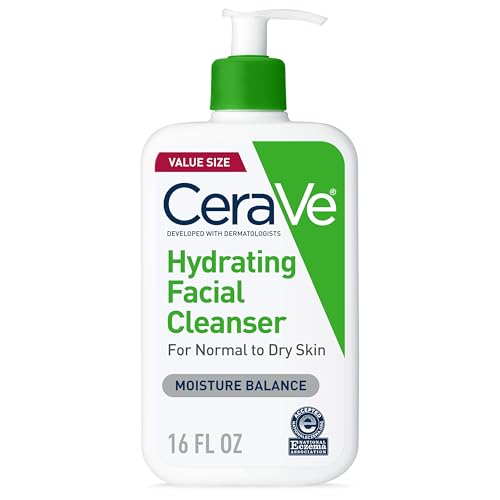
CeraVe Hydrating Facial Cleanser
If there is one product that every dermatologist, Reddit thread, and ingredient-label reader agrees on, it is this one. Ceramides and hyaluronic acid clean without stripping, which means skin feels like skin afterward — not tight, not squeaky. At $13.49, it is the most defensible $14 in the drop.
“The one reliable rule of gift-giving: anything that makes them look more serious at what they love will be received with disproportionate gratitude.”

La Roche-Posay Double Repair Moisturizer
Ceramides plus niacinamide in a moisturizer that costs $24.99 and works on every skin type — this is the pick that signals the drop has actual opinions. Niacinamide quietly addresses uneven tone while the ceramide complex repairs barrier function. Pair it with the CeraVe cleanser and the baseline is genuinely covered.

EltaMD UV Clear SPF 46 Sunscreen
Sunscreen is the product with the most evidence behind it and the worst compliance rate, mostly because bad sunscreens feel terrible. EltaMD UV Clear at $45 fixes that — zinc oxide, no white cast, weightless finish. Dermatologist-recommended and the reason this drop doesn't need an anti-aging section.

Paula's Choice 2% BHA Exfoliant
Salicylic acid at 2% is the approachable on-ramp to exfoliation that actually works. No scrubbing, no redness, just clearer pores over time. At $36.50 for a product that replaces an entire shelf of gritty scrubs, Paula's Choice earns its spot as the moment this routine develops a point of view.

TONYMOLY Sheet Mask Variety 5-Pack
Five different sheet masks for $15 — hydrating, vitamin-infused, and genuinely fun to use. This is the item that makes the routine feel like something worth doing on a Sunday night rather than a chore. Low stakes, high payoff, and a graceful introduction to the wider world of Korean skincare.

Differin Adapalene Gel 0.1%
Differin's adapalene gel was a prescription product until 2016. It is now $19.19 on Amazon. That is a genuinely meaningful shift — retinoids are the most evidence-backed category in skincare, and this is the gentlest entry point. A 90-day supply gives a beginner enough time to actually see what it does.

Neutrogena Hydro Boost Water Gel Duo
For anyone who runs warm or finds cream moisturizers suffocating, this hyaluronic-acid gel at $22.29 is the answer. The Hydro Boost duo — moisturizer and a trial-size cleanser — introduces the concept of skin-type preference without requiring a dermatology degree. Lighter than lotion, more satisfying than nothing.

Neutrogena Hydro Boost Eye Cream
At $16.62, this fragrance-free eye cream is the detail that makes a starter kit feel like a considered gift rather than a checkout impulse. Purified hyaluronic acid keeps the under-eye area hydrated without irritating the thin skin there. Small tube, real function, and a satisfying closer to the routine.
Fork it. Make it yours. Share before their birthday.
Friends claim items. No duplicates. No awkward conversations.