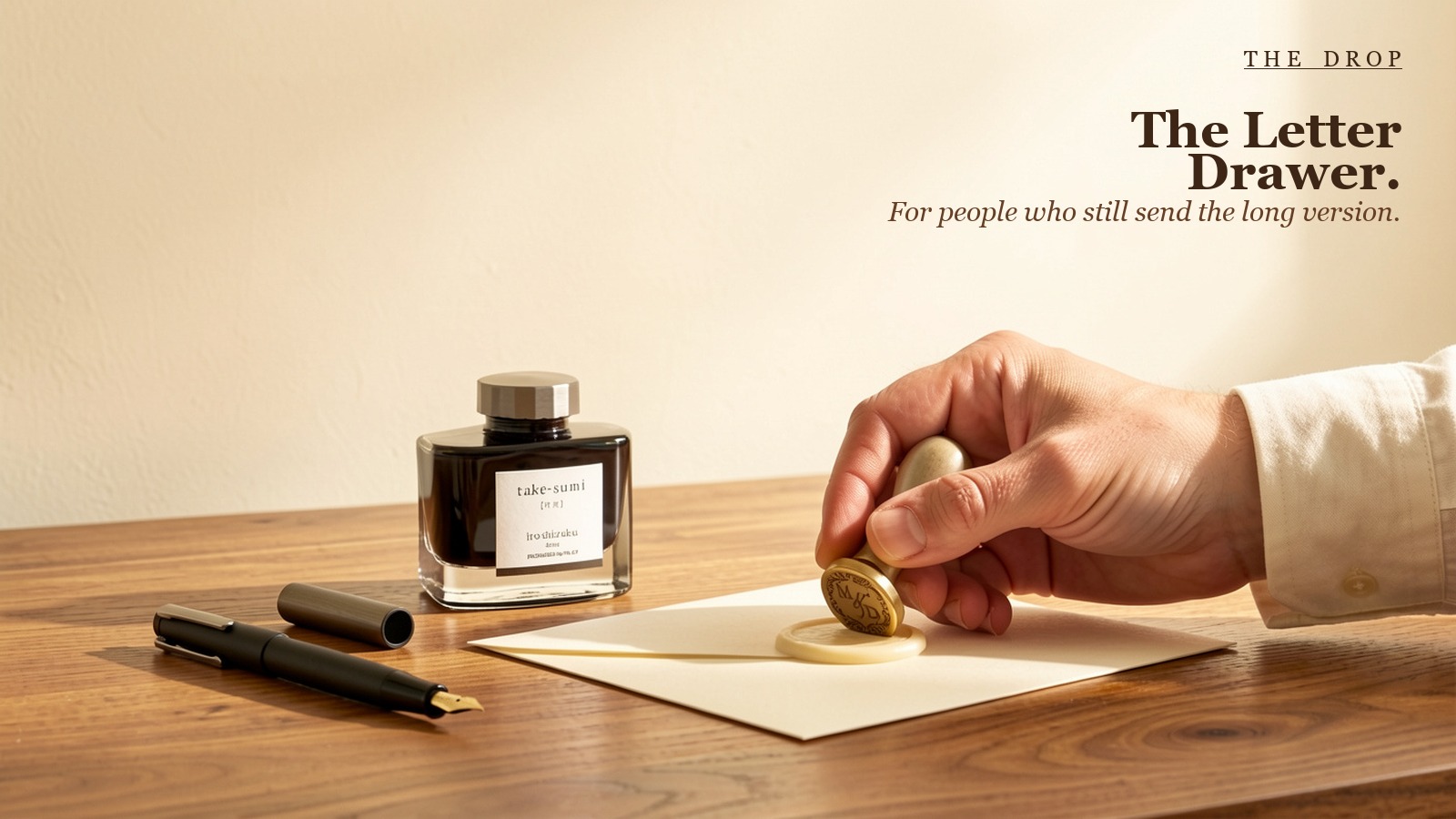
The Letter Drawer.
Sunday morning, the second mug of tea has gone cold. There is one thank-you note that has been on the list since March. This is the kit for the person who finally sits down and writes it: Lamy 2000 in their right hand, Pilot ink in the bottle, Crown Mill envelope on the leather mat, brass seal in the wax. Three to five letters a year. The version of each piece that lasts thirty. Start with the paper.

Lamy 2000 Fountain Pen, Black
The Lamy 2000 has been in continuous production since 1966. Matte-black fibreglass body, brushed stainless cap, fourteen-carat gold nib slightly hooded. Piston filler: pull the back, fountain pen takes about a millilitre of ink, writes for two weeks. The pen the recipient stops borrowing other pens around. Start here.
“The one reliable rule of gift-giving: anything that makes them look more serious at what they love will be received with disproportionate gratitude.”

Pilot Iroshizuku Take-Sumi Ink, 50ml
Iroshizuku is what Pilot calls their high-end ink line; Take-Sumi is bamboo-charcoal black, slightly warmer than a hardware-store black. Fifty millilitres in the heavy squat bottle that lives on the desk. Fills the Lamy three or four times — enough ink for about three years of the recipient's letter habit.
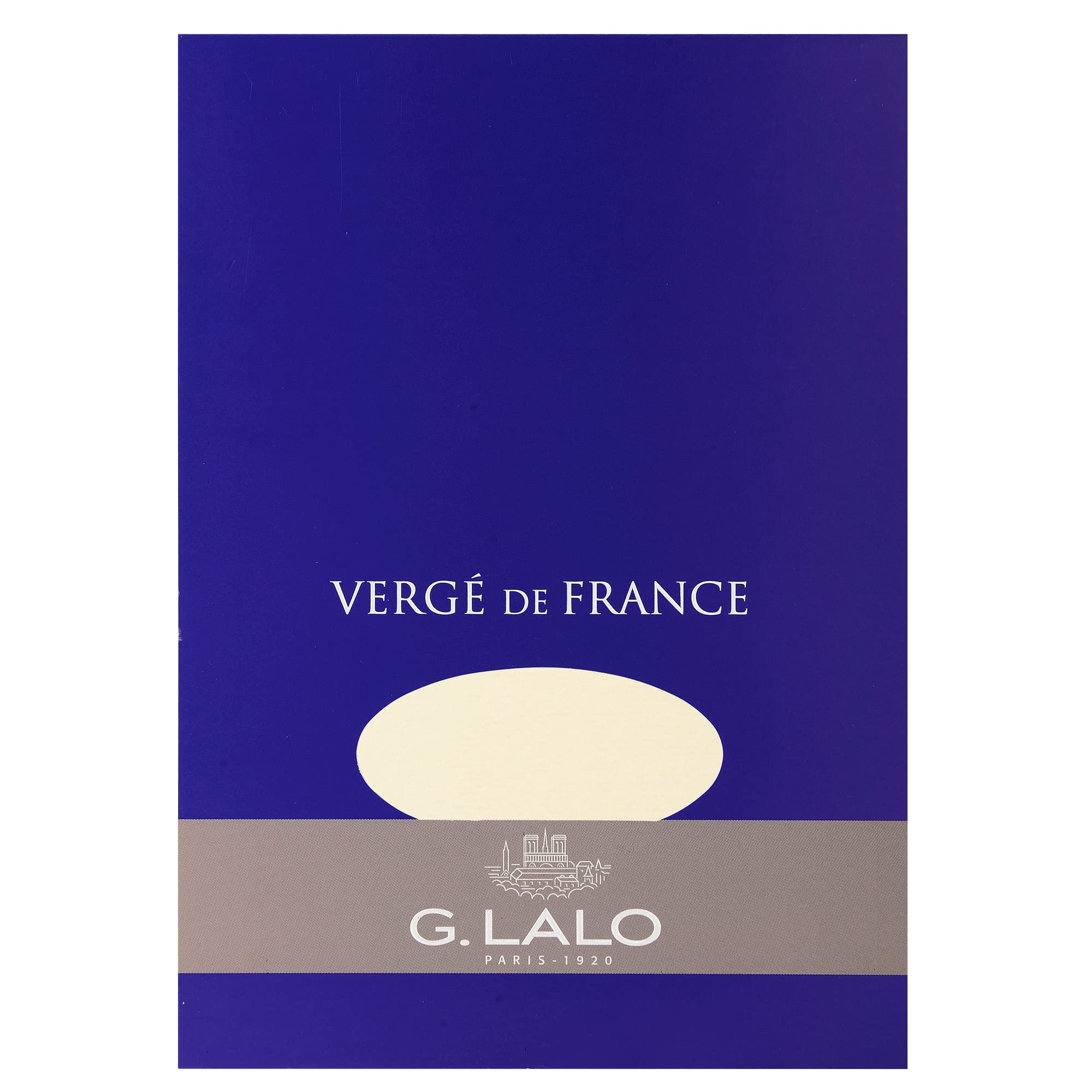
G. Lalo Vergé A5 Writing Pad, Ivory
French cotton-laid Vergé de France paper, A5, 100 gsm, ivory — the cream that goes warm under a brass lamp. Fifty sheets per pad, made in France since 1919. Takes fountain-pen ink without bleed-through; takes the back of the page for the date at the top of the next letter. The pad lasts about three years.
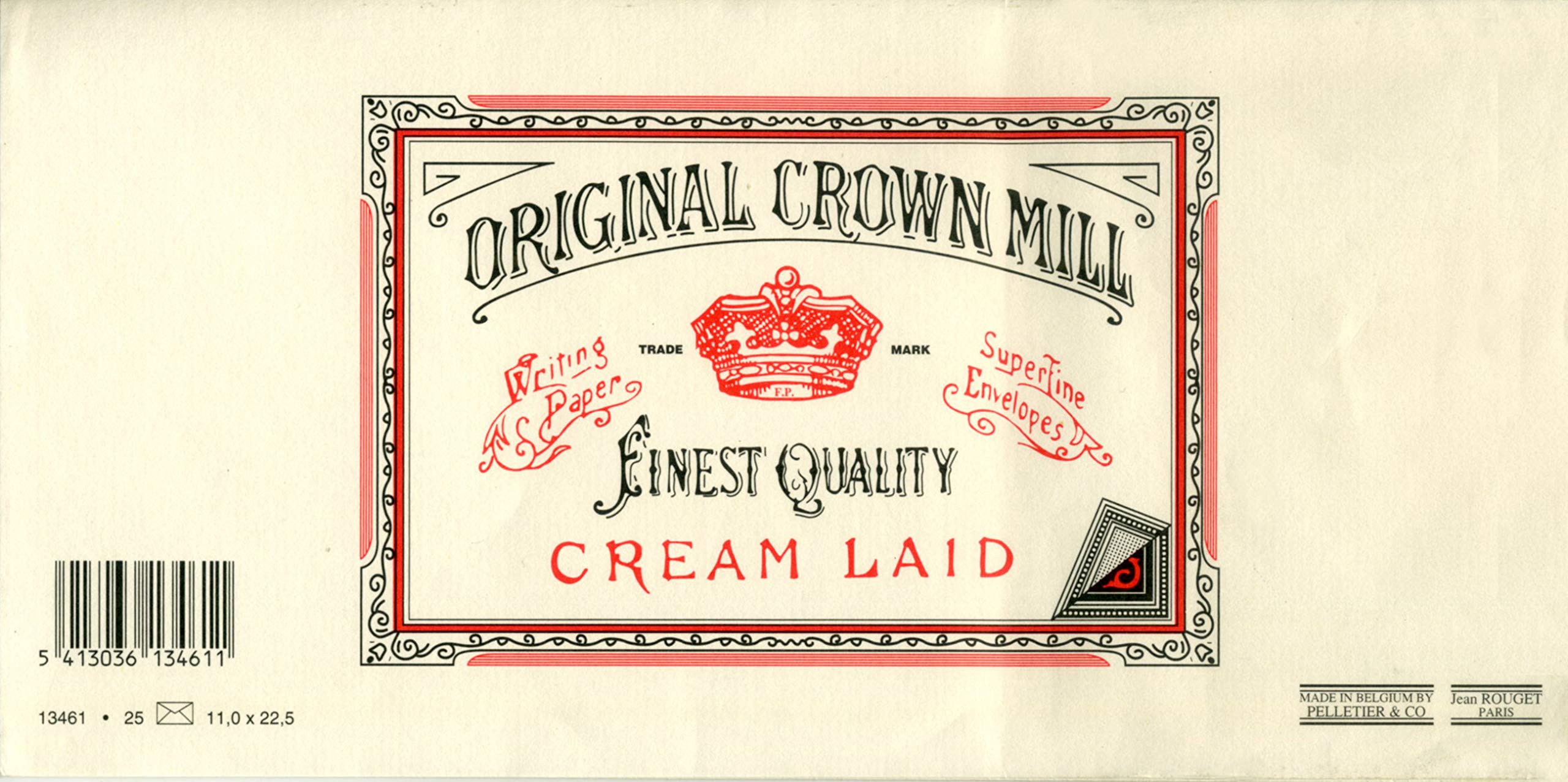
Crown Mill DL Envelopes, Cream
Belgian-made by Crown Mill since 1870, cotton-laid cream, DL size (110 by 220 mm), 25 envelopes per pack. The A5 sheet folds once horizontally and slides in. The envelope is the gift inside the gift — it's what the recipient sees first when the postman puts it on the kitchen counter.

Custom Monogram Wax Seal Stamp
Solid brass head on a turned wood handle, hand-engraved with the recipient's initials. Made by hand in the US; takes about a week to ship. The seal is the part of the kit that turns the envelope into a thing the recipient cannot quite throw away. Lasts thirty years and gets a small patina around year five.
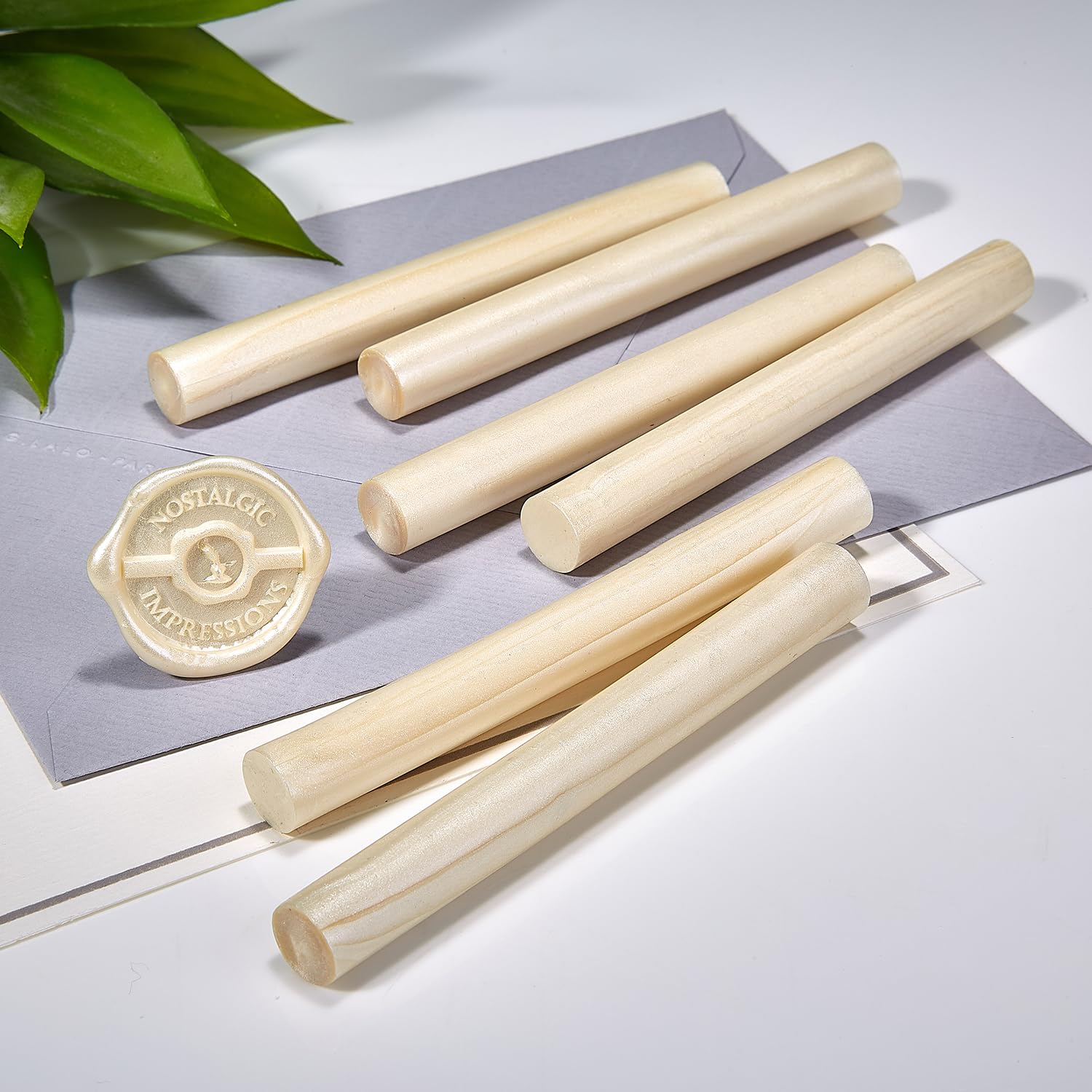
Cream Pearl Sealing Wax Sticks
Cream-ivory pearl wax sticks, the colour that reads warm against a cream envelope and reads warm against a navy one. Loads into a standard 7mm glue gun for the recipient who doesn't want to learn a spoon; the spoon method works too. About forty envelopes per pack, so the kit makes it to year five before reorder.

Gallaway Leather Desk Mat, 24x14
Twenty-four inches by fourteen of soft leather in dark walnut-brown. Lays under the paper, catches the one drop of ink that gets away, gets a soft patina around year two. The reason the recipient stops writing on top of a magazine. Ten thousand-plus reviews because the thing actually works.
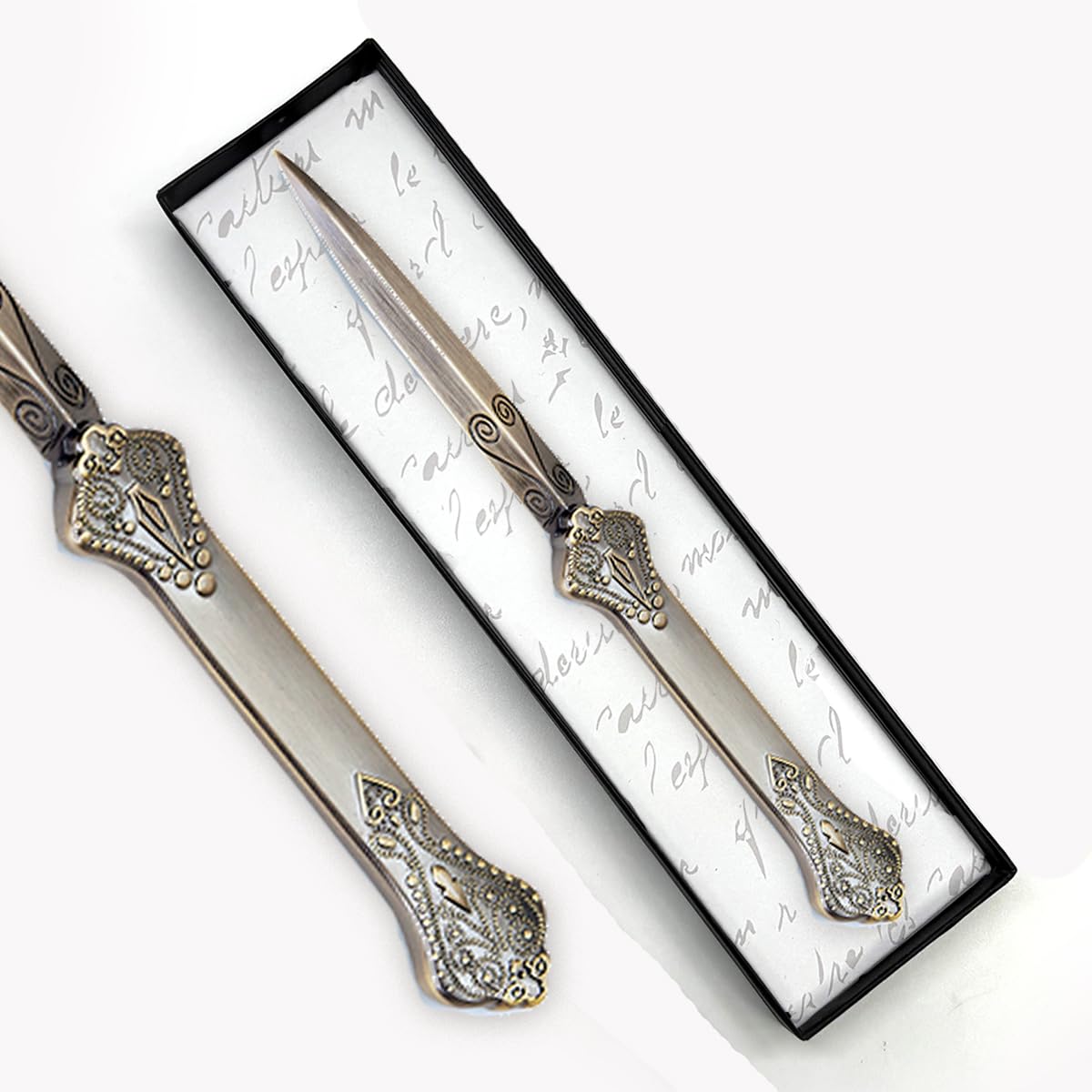
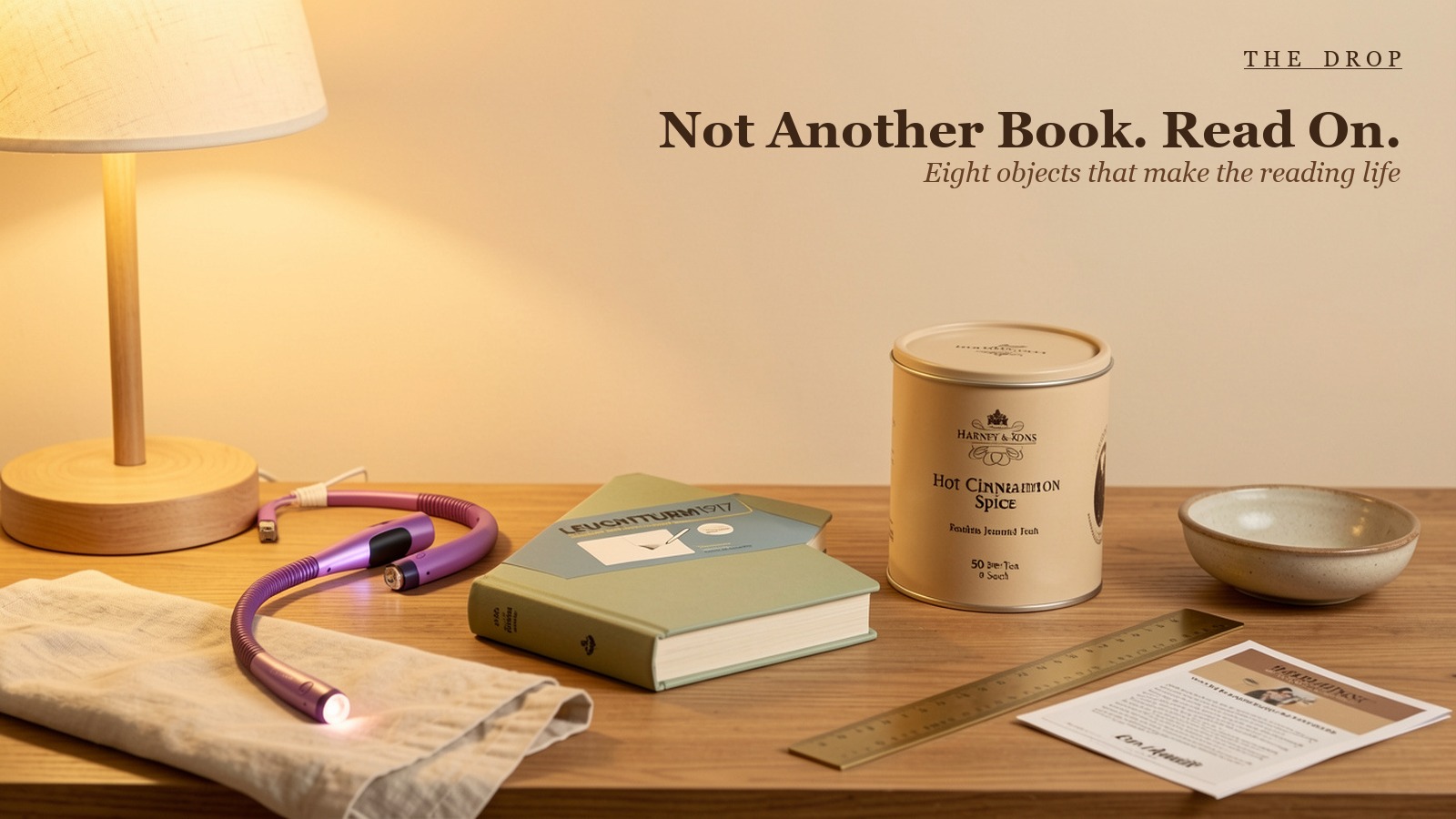
Nostalgic Impressions Letter Opener
Seven inches of heavy antiqued brass, the recipient's tool for the reply that will come. Sits on the desk weighted enough not to migrate. The kit's quiet bet: that the letters will get returned. Goes in a drawer with the rest of the kit between Sundays.

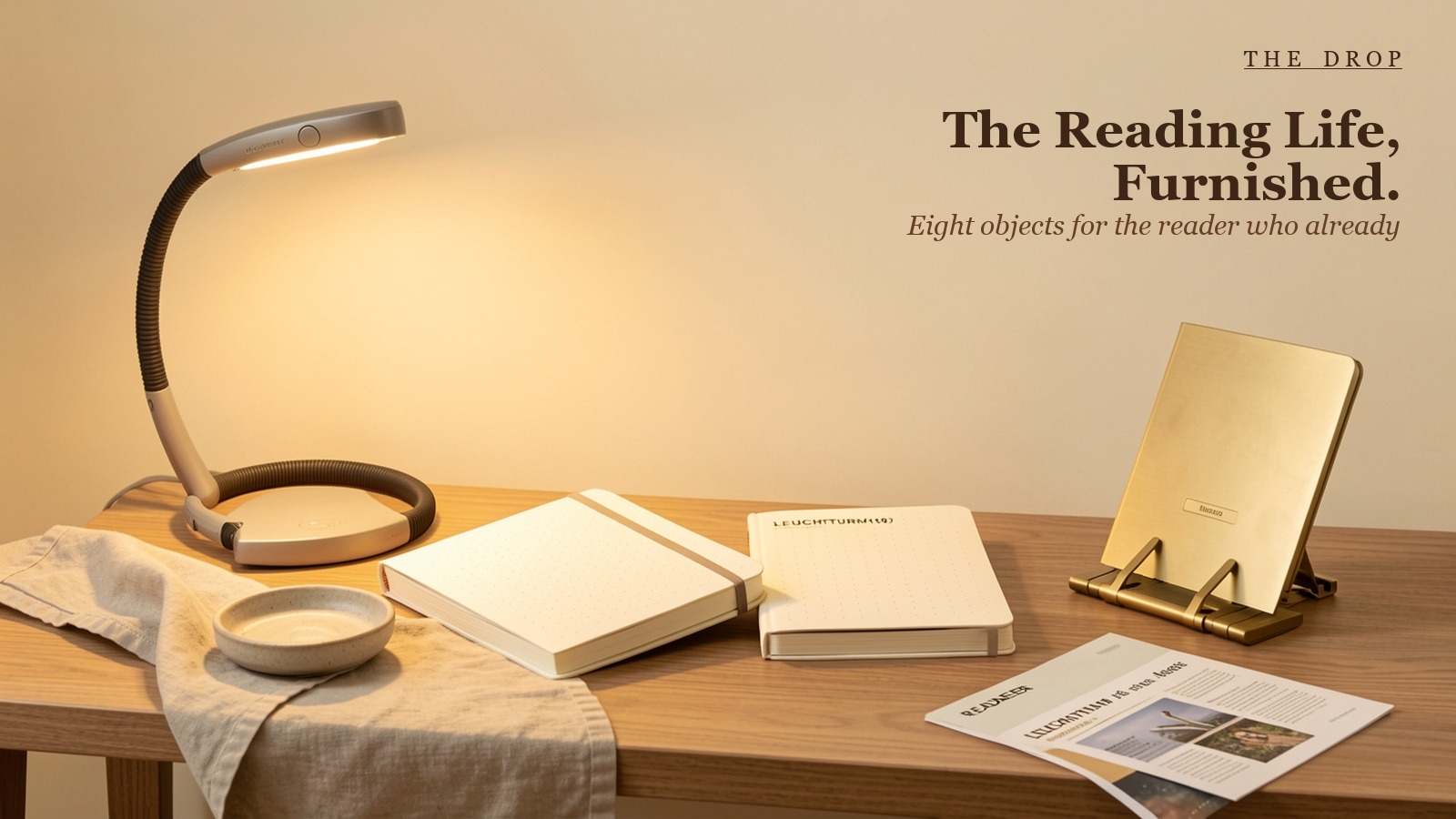
Leuchtturm1917 A6 Pocket Notebook
Pocket A6 hardcover, 187 numbered pages, dotted ruling. Lives in the same drawer as the kit. The recipient writes the draft of the hard letter — the condolence, the apology — in here first, then transfers the version they want sent onto the Vergé. Lasts about five years at three letters drafted a year.
Fork it. Make it yours. Share before their birthday.
Friends claim items. No duplicates. No awkward conversations.