The EVA Foam Starter Kit.
The question beginners ask isn't really 'which foam?' — it's 'what do I actually need to not ruin this.' Every tutorial eventually lands on Barge Contact Cement as the adhesive that holds curved seams without splitting at a con. That's the right instinct, and it's where this kit starts. Build out from there: flexible sealer, precision blades, premium foam, a respirator you'll wish you bought first. Start with the glue.

Barge All Purpose Cement 2oz
The adhesive anchor of this entire kit. Barge cures flexible, which means your seams bend with the armor instead of delaminating mid-convention. The 2oz size is right for a first build — you'll learn your gluing habits before committing to a quart. Over 2,500 reviews at under $10. Apply both surfaces, wait for tack, press once.
“The one reliable rule of gift-giving: anything that makes them look more serious at what they love will be received with disproportionate gratitude.”
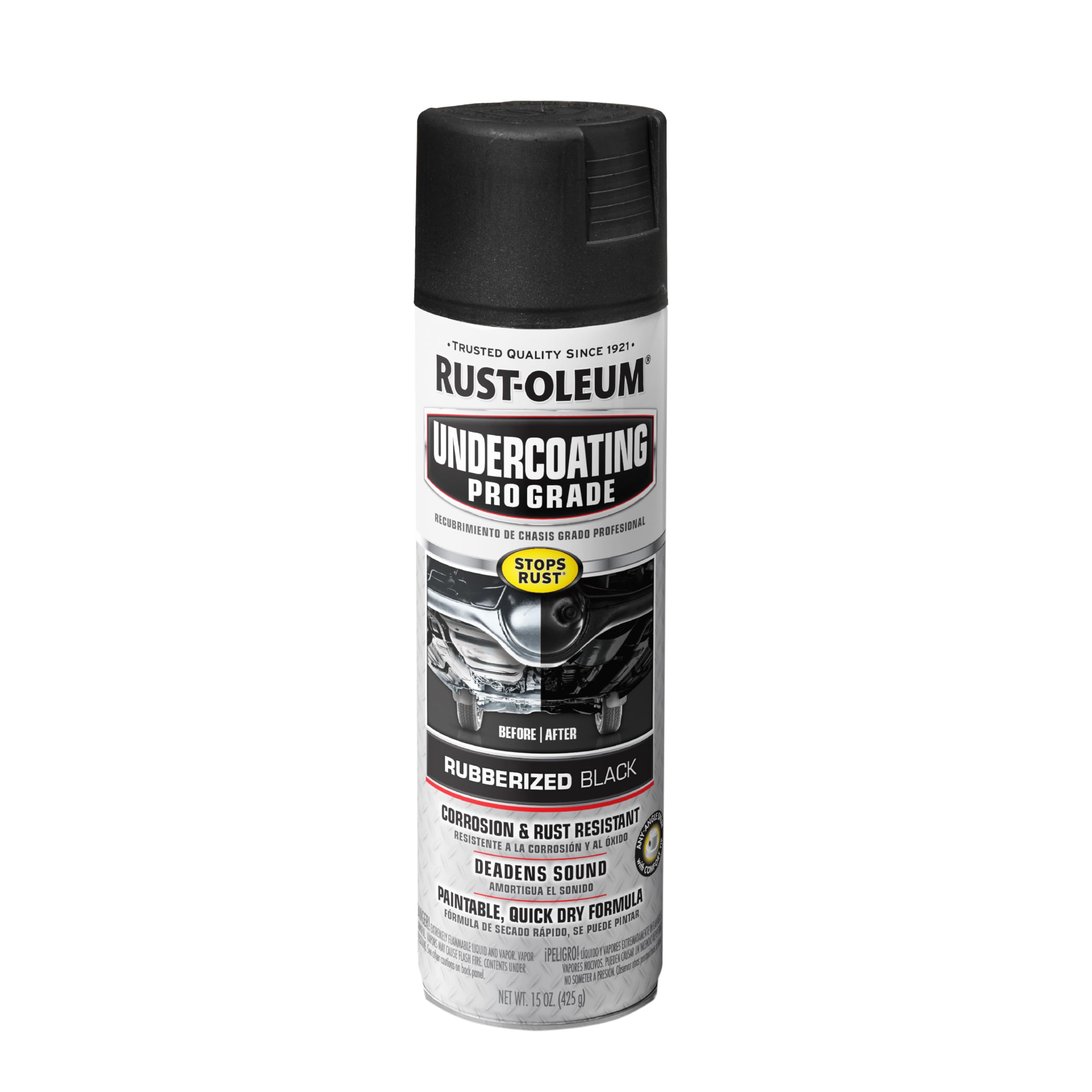
Rust-Oleum Rubberized Undercoating
Porous EVA foam will drink paint and crack at every flex point if you skip a sealer — this rubberized undercoating from Rust-Oleum creates a flexible surface layer that moves with the armor. Not a cosmetic product; it's structural prep. At $8.27 for 15oz, it's the cheapest mistake-prevention in the kit. Spray in thin passes, let cure fully before painting.

Wagner HT1000 Storage Case
A hard-shell carrying case sized specifically for the Wagner Spraytech HT1000 — the heat gun that shows up in nearly every foam-shaping tutorial. If you're buying the HT1000 separately (and you should), this case protects the investment and corrals the tool between builds. At $18.99 with only 13 reviews it's new to market, but the fit is purpose-built.
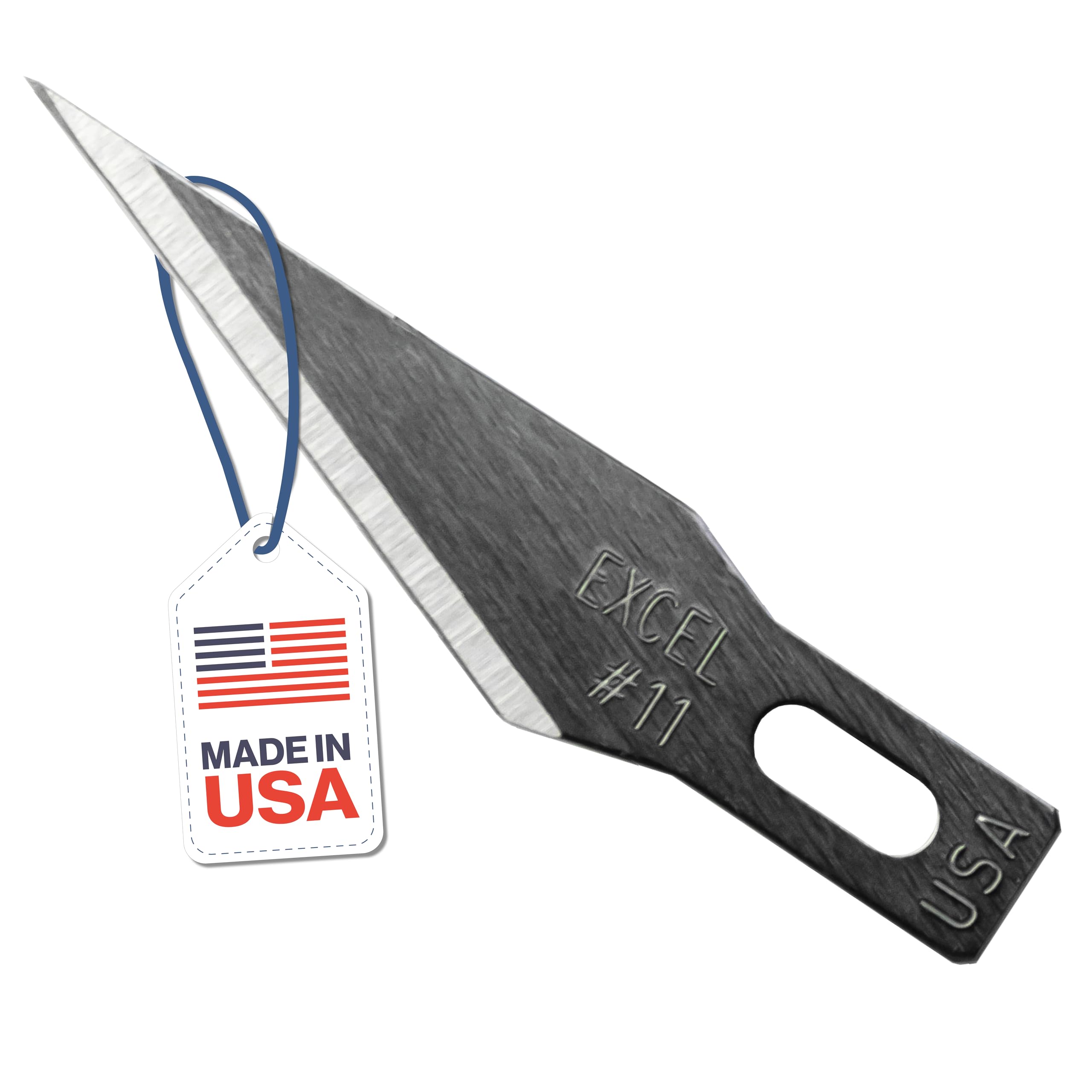
Excel #11 Replacement Blades
The counterintuitive insight here: a dull blade tears foam rather than cutting it, and foam dulls steel faster than most materials. Change blades every 15–20 minutes of cutting, not when the knife starts to drag. At $10.49 for a pack of #11 double-honed blades with 1,080 reviews, this is insurance against ragged edges on every detail cut you make.

The Foamory 5mm EVA Sheet
What separates The Foamory from floor-mat foam is surface consistency: both sides are smooth, density runs a verified 85 kg/m³, and the 35"×59" sheet gives you real armor-panel real estate. This is what you build your final version on after floor-mat experiments teach you your patterns. At $38.99 with 2,128 reviews, it's the premium input that shows in the finished piece.

Barge TF Cement 2oz
TF stands for toluene-free — same aggressive contact bond as original Barge, but without toluene as the carrier solvent. If you're building in an apartment or a space with limited airflow, this is the version to reach for. Note: even toluene-free contact cement produces organic vapors — the respirator at position 7 is still non-negotiable. Nearly 2,900 reviews at $9.94.
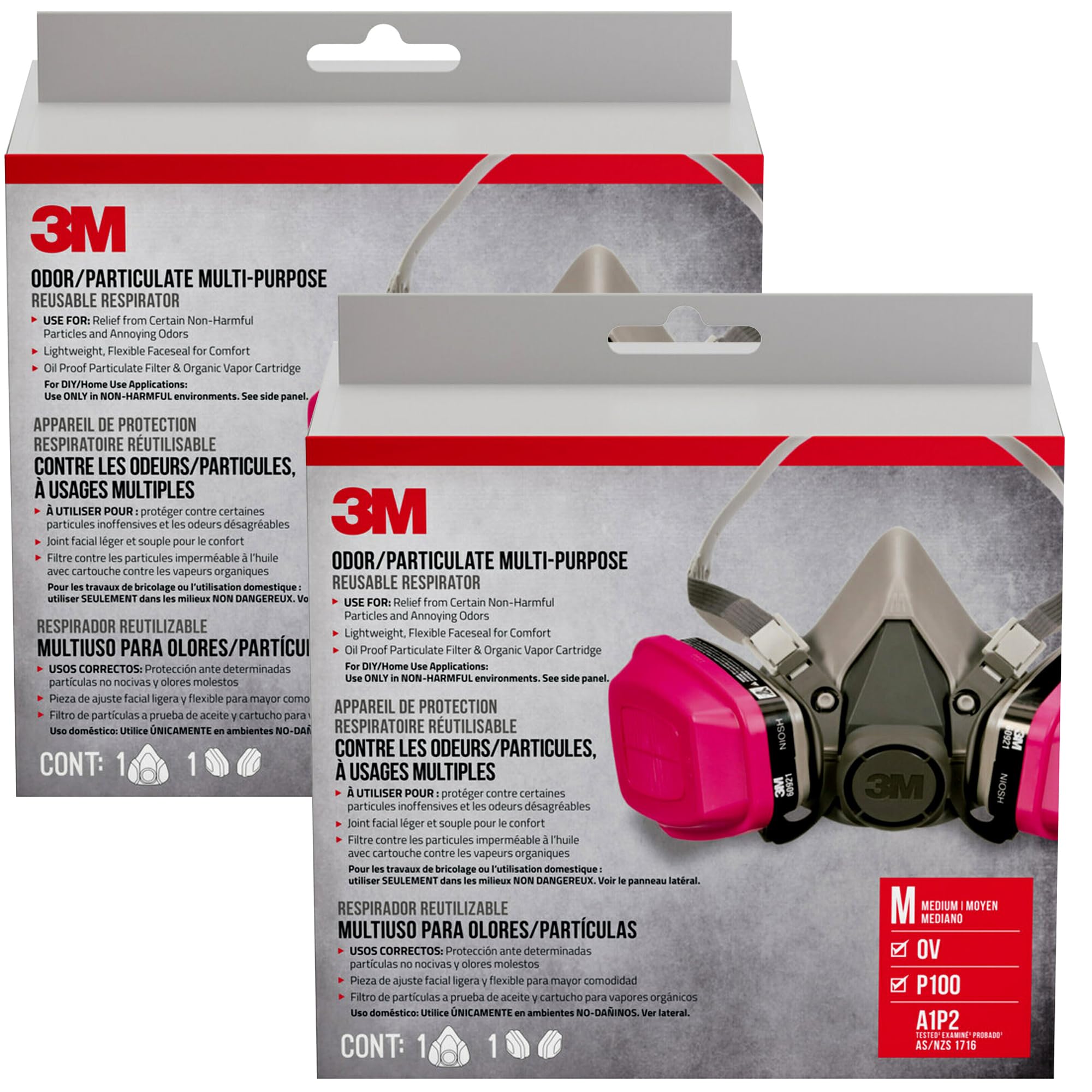
3M P100/OV Reusable Respirator
Most beginner guides footnote the respirator. This one doesn't. Contact cement and rubberized coatings indoors produce organic vapors that an N95 dust mask does nothing to stop — you need OV/P100 cartridges, which is exactly what this 3M half-face unit ships with. NIOSH-approved, reusable, $64.49 with 1,153 reviews. Buy this before you open the Barge.

DecoArt Americana Acrylic Paint
A standard acrylic — useful for testing color on your sealed foam before committing to a final paint pass, or for detail and weathering work on rigid surface areas. Note: standard acrylics can crack on high-flex joints; use it on panel faces and save your flexible-specific paint for seams and edges. At $5.94 for 2oz, it's a low-cost testbed, not the whole answer.
Fork it. Make it yours. Share before their birthday.
Friends claim items. No duplicates. No awkward conversations.