The First Lathe Setup.
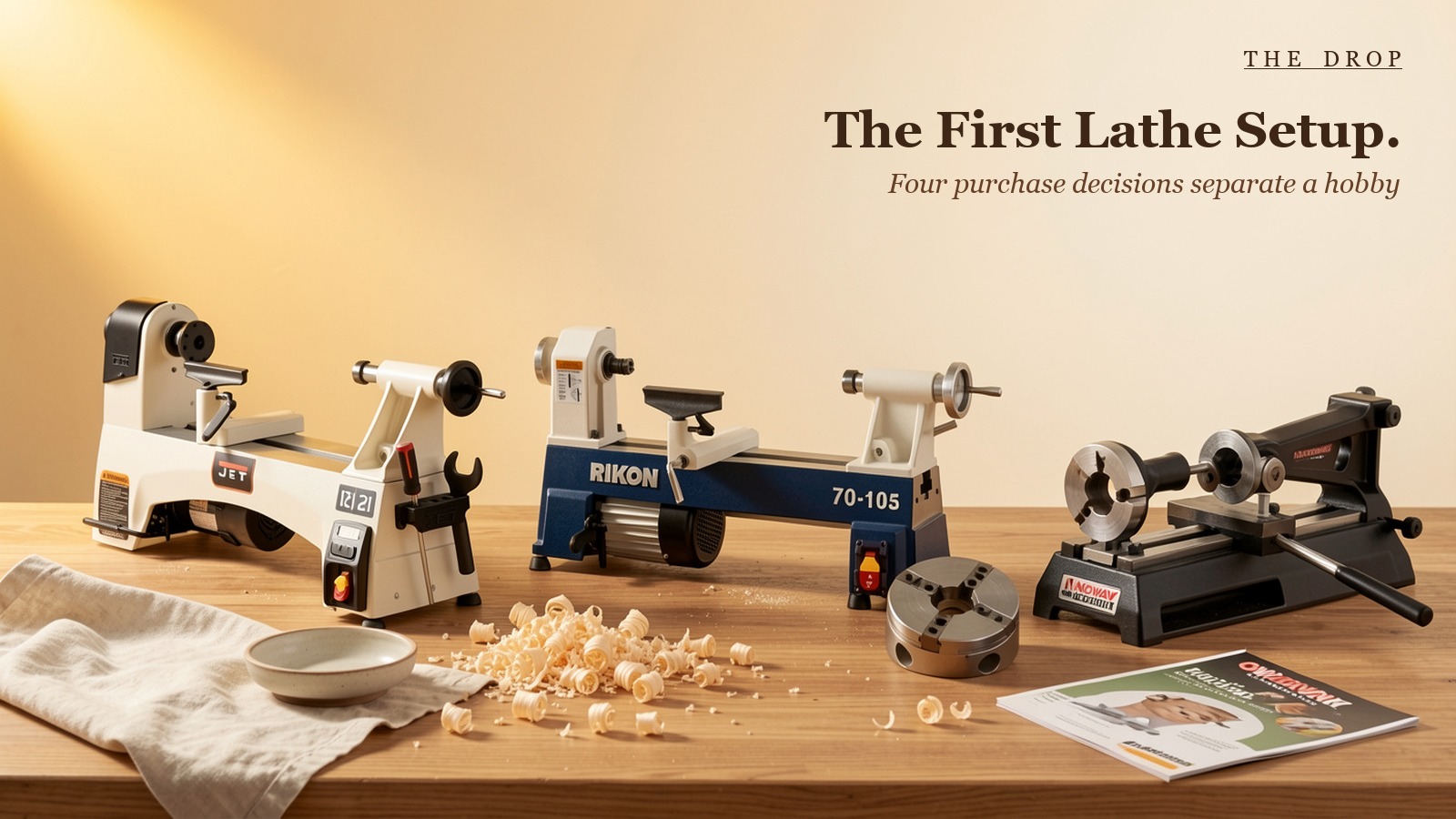
Someone on r/turning asks which lathe to buy roughly three times a week. The thread always lands the same place: the Jet JWL-1221VS, because true electronic variable speed from 60 to 3,600 RPM isn't a selling point — it's the difference between a blank that shatters and one that finds its balance. The rest of the setup follows a logic just as clear: a chuck, a sharpening station, decent HSS steel, and one finished object to prove the whole thing was worth it. Buy accordingly.

Jet JWL-1221VS Midi Lathe
The spec that justifies $989 is not the 1 HP motor — it's true electronic variable speed, 60 to 3,600 RPM, no pulley steps. Sixty RPM is slow enough to spin an out-of-balance green blank safely; most cheaper lathes bottom out at 400 and call it variable. Five-year warranty, documented resale value, 660 reviews. Buy this one and skip the upgrade regret.
“The one reliable rule of gift-giving: anything that makes them look more serious at what they love will be received with disproportionate gratitude.”

Rikon 70-105 Mini Lathe
At $399 and 10 inches of swing, this is the honest answer if you're not certain the hobby sticks. Half the horsepower of the Jet, shorter bed, but variable speed is present and the Rikon build quality earns respect on r/turning. Think of it as a real lathe with a smaller footprint — not a toy, not a compromise, just a different commitment level.

Nova Lite G3 Scroll Chuck
A lathe without a chuck can only hold work between centers — fine for spindles, useless for bowls. The G3's dovetail jaws grip with the accuracy that makes r/turning recommend it above cheaper alternatives, and the direct-thread-plus-adapter system means it follows you to your next machine. At $159, it's the first purchase after the lathe, not the optional one.
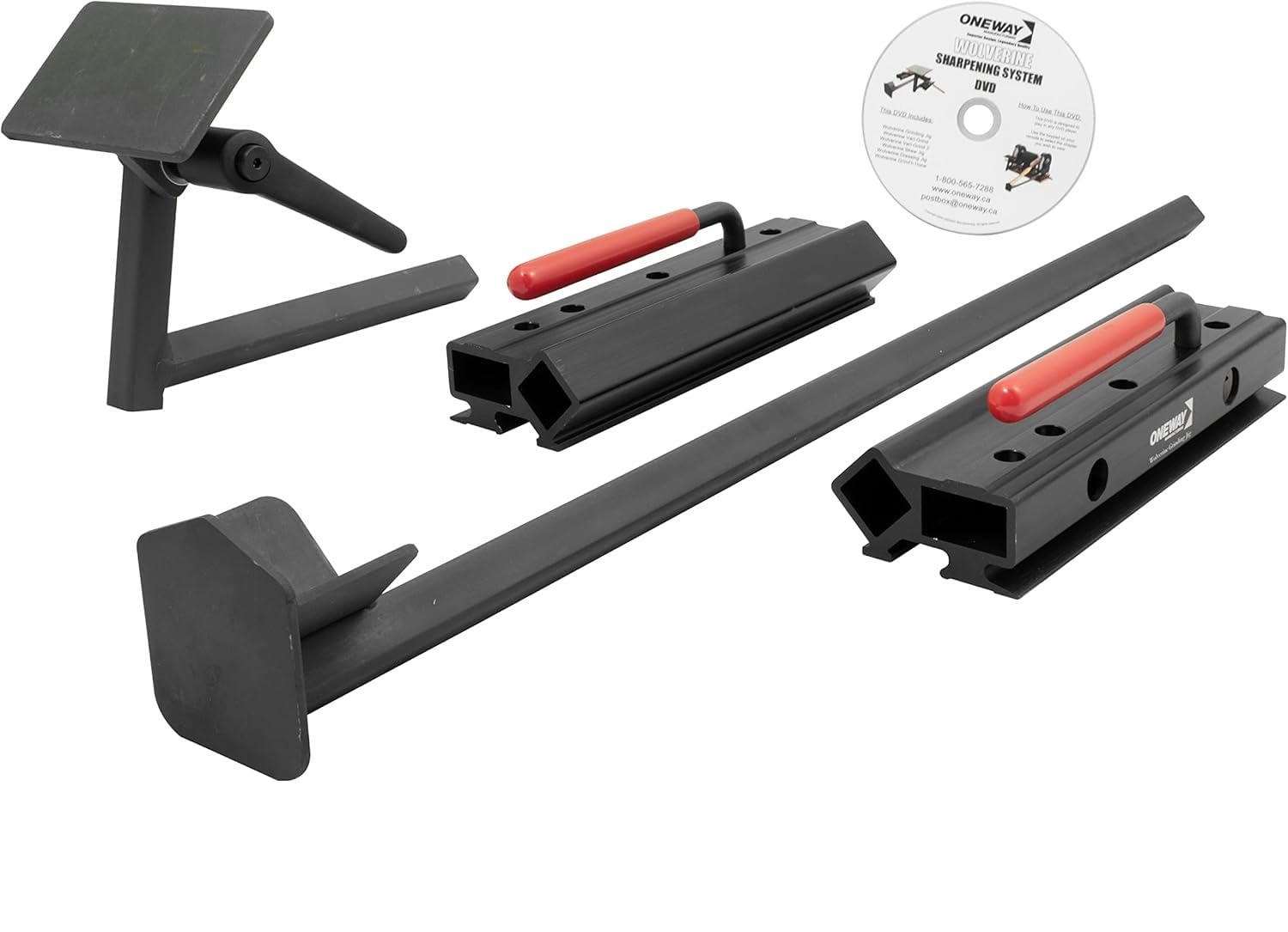
Oneway Wolverine Grinding Jig
The Wolverine's Vari-Grind arm is the detail that matters: set the angle once for a fingernail grind and every subsequent touch-up produces the same bevel. Sharpening stops being a skill you practice and becomes a procedure you run. At $114 with 496 reviews, this is the community-standard jig — pair it with position 5 and the sharpening problem is genuinely solved.

Rikon 80-805 Slow-Speed Grinder
The only spec that matters here is 1,750 RPM. Standard bench grinders run at 3,450 and pull the temper from HSS steel before you notice — your tools stay sharp for minutes instead of hours. The 8-inch wheel produces a shallower hollow grind than a 6-inch, which means better edge contact on flat chisels. With the Wolverine jig, this is the $267 sharpening station Kent Weakley and AAW members point to.

Sorby Micro Spiraling Set
Note the verified product here is Sorby's Micro Spiraling Set, not a standard gouge set — a specialty texture tool rather than a beginner turning kit. Sorby HSS quality is the real story: the steel holds an edge and the brand earns consistent trust on r/turning. If your goal is a full spindle-and-bowl HSS set, verify the specific SKU before buying; this one is for decorative spiral texturing.
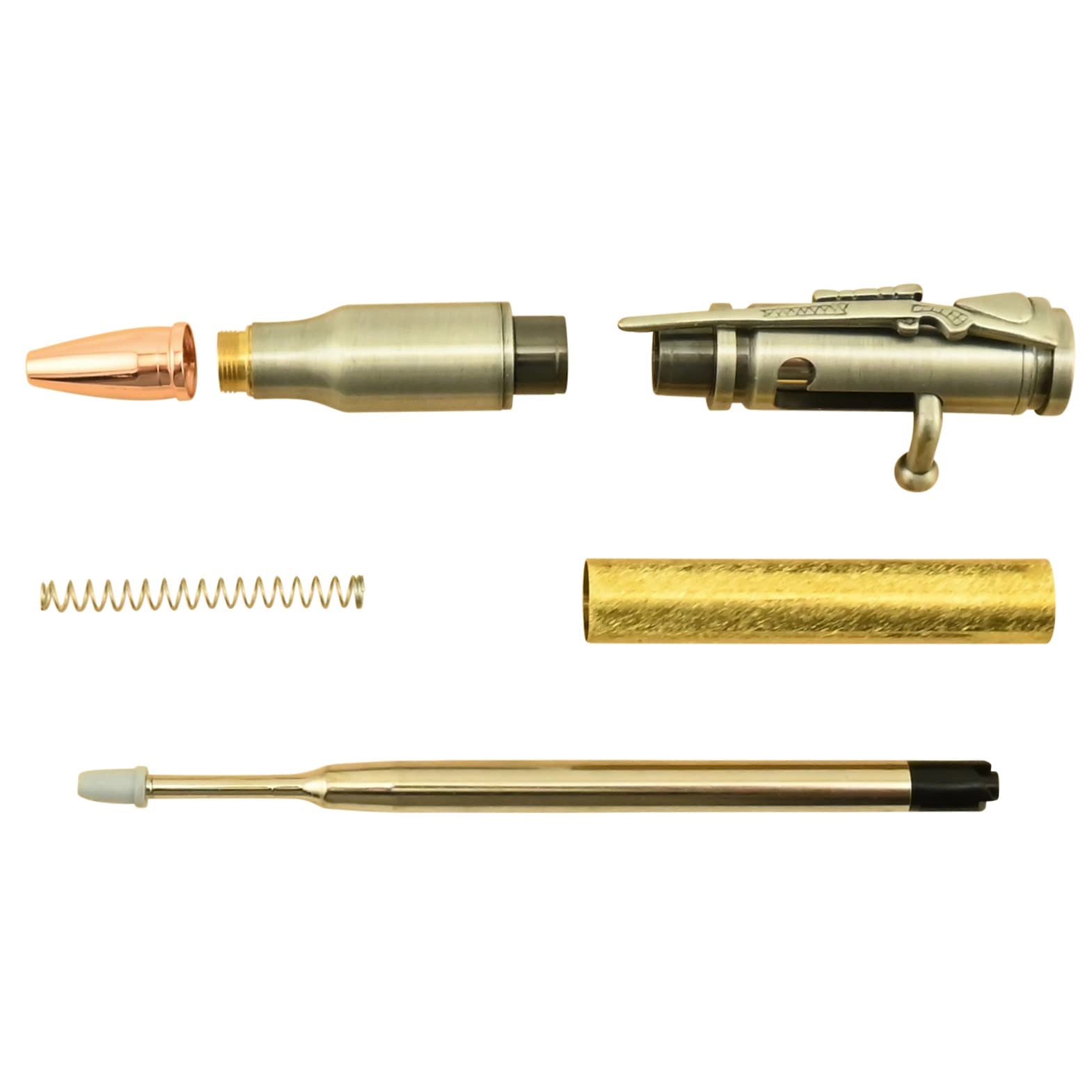
Penn State Bolt Action Pen Kit
A pen kit is the beginner's proof-of-concept — small blank, short session, finished object at the end. The Bolt Action mechanism earns its place because the hardware actually does something: the click is satisfying enough that the recipient uses it daily rather than shelving it. Penn State Industries is the go-to name in pen-turning threads, and at $15 you can run several before committing to a finish style.
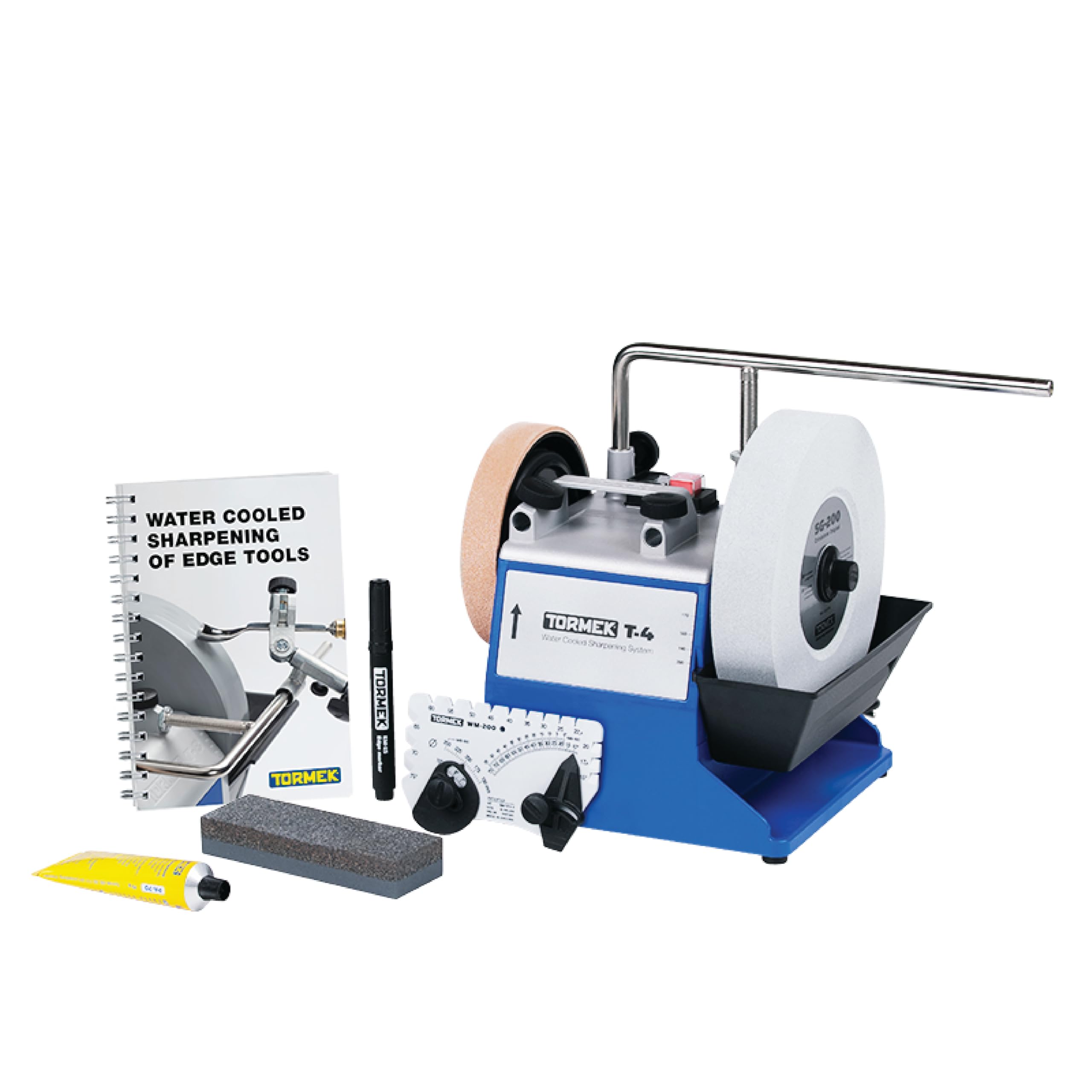
Tormek T-4 Water-Cooled Sharpener
The Wolverine-and-grinder station handles gouges fast and well. What it can't do is put a truly polished, zero-heat edge on a skew chisel or a bench plane iron — that's the Tormek's register, running at 90 RPM with water cooling. At $613 this is the system serious turners add second, not first. The drop names it upfront because pretending one sharpening station does everything is how beginners get bad advice.
Fork it. Make it yours. Share before their birthday.
Friends claim items. No duplicates. No awkward conversations.